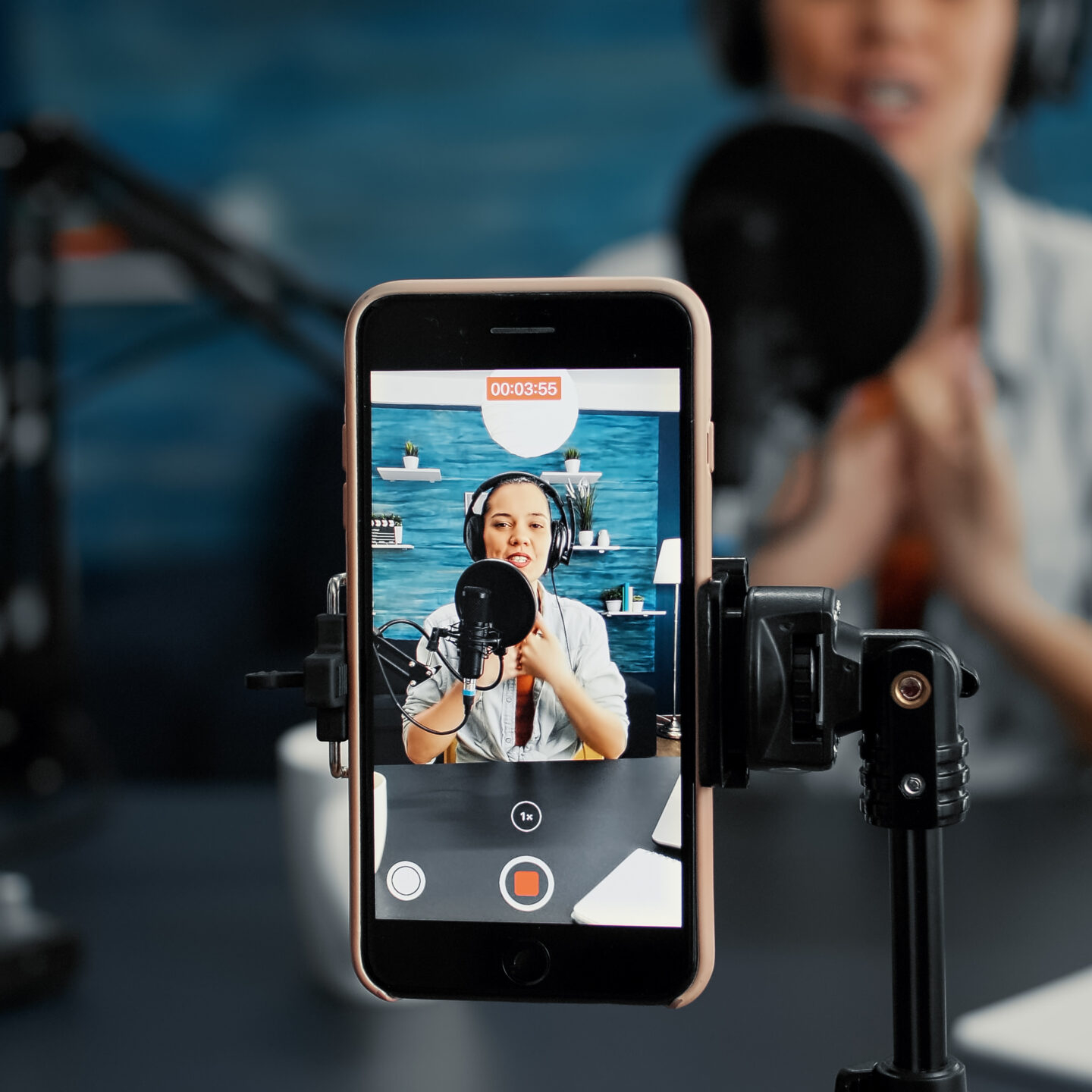
Modern smartphone recording vlogger talking to public while sitting at home studio desk. Famous influencer filming podcast show with touchscreen display device while sitting in living room. Close up

How to Choose a Wine or Spirits PR/Marketing Agency

In The News

How to Choose a Wine or Spirits PR/Marketing Agency - Part 1

Selecting a marketing or public relations agency is consequential for any brand. For wine and spirits companies, however, the decision carries additional complexity. Alcohol beverage marketing operates within a specialized commercial environment shaped by a three-tier distribution system, regulatory restrictions, entrenched trade relationships, highly competitive categories and a consumer marketplace in which provenance, reputation and cultural relevance can be as important as product attributes.

The right agency should therefore offer more than strong creative work or media relationships. It should understand how brand positioning, public relations, trade engagement, digital marketing, social media, events and commercial objectives intersect within the beverage alcohol industry.

There is no single agency model appropriate for every company. A multinational spirits portfolio entering the U.S. market has fundamentally different requirements from an established domestic winery seeking greater national recognition, just as a luxury brand requires a different communications strategy from an emerging product attempting to generate rapid trial.

For this reason, your objective should not simply be to identify the most impressive agency. It is to identify the agency whose capabilities, experience and operating model correspond most closely to your brand’s particular business challenge.

What Should a Wine or Spirits Brand Look for in an Agency?

The evaluation should begin with strategic understanding rather than a list of services.

An effective agency should be able to articulate the relationship between the brand’s commercial objectives and the marketing activities it recommends. Increasing distribution, building awareness, supporting a market launch, strengthening luxury credentials, and generating tasting-room traffic are all examples of distinct objectives. But each requires different audiences, channels, messages and measures of success. If you find an agency simply listing out bullet points of services, either they don’t know what you need, or you have articulated your needs well.

This distinction is particularly important in wine and spirits because communications rarely operate independently of the commercial environment. Consumer awareness may be valuable, but its impact is constrained if the product is unavailable in relevant markets. Trade visibility may accelerate distribution, but it cannot substitute indefinitely for consumer demand. Editorial coverage can confer credibility, but publicity alone may not provide the frequency needed to build broad awareness.

A strong agency recognizes these interdependencies and develops programs accordingly. Its recommendations should reflect where the brand is in its development, what barriers it faces, and which audiences can most meaningfully influence its progress. For instance, if your product awareness is nascent, you would expect the agency to discuss press tours, relevant trade shows, online marketing and trial instead of trade activations that aren’t developed yet.

Specialist Agency or Generalist Agency?

One of the first decisions a brand may face is whether to engage an agency specializing in wine and spirits or a broader consumer marketing firm. The essential question is not whether an agency knows the industry. It is whether that knowledge improves the quality of its strategic decisions on what channels to propose. Wine and spirits expertise should shorten the agency’s learning curve, but brands should be cautious about treating category experience as a substitute for strategic thinking.

Specialist agencies generally begin with a deeper understanding of the industry’s commercial structure. An experienced wine and spirits industry agency should understand the language, institutions and conventions of the business without requiring the client to explain fundamental market dynamics. It should recognize the differences between marketing a $25 bottle and a $250 bottle, between a regional winery and a nationally distributed spirits brand, and between communications intended for consumers and those intended to influence the trade. They are more likely to understand the distinctions among supplier, importer, distributor, retailer and on-premisepriorities, as well as the particular influence of beverage trade media, critics, sommeliers, bartenders, buyers and other intermediaries.

Relationships also matter, particularly in public relations. Established connections with journalists, critics, editors and industry figures can facilitate access and improve an agency’s understanding of what constitutes a credible story. Relationships, however, do not guarantee coverage. Editorial interest ultimately depends upon relevance, timing and the strength of the underlying narrative.

Generalist agencies can offer advantages, particularly when a brand is attempting to participate in cultural conversations beyond the beverage category. Experience in fashion, hospitality, entertainment, luxury goods or consumer packaged goods can introduce useful perspectives and prevent category conventions from becoming creative constraints.

This knowledge can materially affect strategy. A campaign that appears compelling from a conventional consumer-marketing perspective may be impractical if it does not account for distribution, regulatory requirements, market availability or the economics of the category.

For many wine and spirits brands, the strongest solution is not specialization at the expense of broader thinking, but specialization combined with cultural fluency. An agency should understand the mechanics of the category without allowing those mechanics to limit the ambition of the work.

Brands should therefore look beyond an agency’s contact list and evaluate how it thinks. The most useful category expertise manifests itself in judgment: knowing which stories warrant attention, which audiences matter, when a particular tactic is unlikely to work and how a brand can participate in the market without becoming indistinguishable from its competitors.

PR Agency or Integrated Marketing Agency?

Brands should also determine whether their objectives require a public relations specialist or a broader integrated marketing partner.

Traditional public relations remain particularly valuable in categories where third-party endorsement carries considerable influence. Earned media can establish credibility, provide context for complex products, introduce founders and winemakers to influential audiences, and create a record of independent recognition that paid communications cannot replicate. A public relations-focused agency has spent decades building relationships and knowing the press. You’re paying them for access. They should be able to open doors to these outlets and strategically recommend article topics. Many of them also offer press training for your staff.

But public relations isn’t a faucet that turns on sales. It is a vital part of awareness marketing, but you should also understand its limitations. Public relations do not provide complete control over timing, message or reach, nor can editorial coverage alone consistently deliver the frequency necessary to build awareness in a crowded marketplace.

An integrated agency may combine public relations with social media, influencer programs, digital advertising, content development, trade marketing, events, partnerships and other disciplines. This approach can create greater continuity between earned attention and the channels a brand controls or purchases.

Integration is most valuable when it is strategic rather than administrative. Housing several services within one agency does not automatically create an integrated program. The relevant question is whether those disciplines are informed by a common strategy and reinforce one another.

For some brands, a focused public relations engagement is entirely appropriate. Others require a coordinated program capable of moving from awareness to engagement and, ultimately, commercial action. Scope should follow the business problem rather than an agency’s preferred service model.

What Questions Should You Ask Before Hiring an Agency?

An agency review should reveal how the prospective partner approaches problems, not merely provide an opportunity to examine past work.

Brands should ask how the agency would define success during the first year of the relationship and which indicators it would use to evaluate progress. The response can reveal whether the agency understands the company’s actual objectives or is defaulting to the metrics most convenient for its discipline or that make them look proficient.

It is also useful to understand who will perform the work. The senior executives leading a presentation may not manage the account once the engagement begins. Brands should know who will provide strategic oversight, who will handle day-to-day execution and how much senior involvement is built into the proposed scope.

Questions about comparable assignments can be equally instructive. Rather than asking simply for examples of successful campaigns, brands should ask how the agency addressed a challenge resembling their own, what constraints affected the strategy and what the agency learned from the assignment.

Finally, brands should discuss expectations candidly. Successful agency relationships depend upon access to information, timely approvals, clear decision-making and realistic resources. An agency should be prepared to explain what it requires from the client, not simply what it promises to deliver.

What Are the Warning Signs When Evaluating an Agency?

Some concerns become apparent before an engagement begins.

An agency that proposes tactics before demonstrating a clear understanding of the business may be applying a standardized program rather than developing a strategy. Similarly, an excessive emphasis on awards, impressions, follower counts or the volume of media coverage can obscure the more important question of whether the work advances the brand’s objectives.

Guaranteed editorial coverage should be approached carefully. Earned media is, by definition, subject to editorial judgment. Credible agencies can discuss likely opportunities and demonstrate a record of results, but they cannot legitimately control independent editorial decisions.

Brands should also be attentive to unnecessary complexity. A sophisticated strategy is not synonymous with an elaborate one. If an agency cannot explain why a particular activity is necessary, how it relates to the objective and what role it plays within the broader program, the activity may not deserve investment.

Perhaps most importantly, brands should consider whether an agency is willing to challenge assumptions. A productive partner should not simply validate every client request. Expertise has limited value if the agency is unwilling to recommend a different course when experience or evidence suggests one is warranted.


Share:
ai-brand-discovery-featured-1440

AI Is Changing How Brands Are Discovered

In The News

AI Is Changing How Brands Are Discovered

AI Is Changing How Brands Are Discovered. Communications Needs to Change With It.

A bottle of wine can take years to make. A reputation can take decades, or generations, to build. And increasingly, a consumer can ask an AI platform about either one and receive an answer in seconds.

That contrast has been on our minds at Colangelo & Partners as we think about what artificial intelligence actually means for communications.

Much of the early conversation around AI in our profession has focused on how communications professionals can use the technology: faster research, more efficient workflows and automation. Hello, easier email inbox organization!

Those applications matter. But we believe there’s a much bigger shift happening.

AI isn’t simply changing how communications professionals work. It’s beginning to change the information ecosystem we’re responsible for influencing.

For an agency specializing in wine, spirits and food, industries where reputation, expertise and third-party authority have always carried enormous weight, that has significant implications.


Discovery Is Changing

Consider something as simple as choosing a bottle of wine.

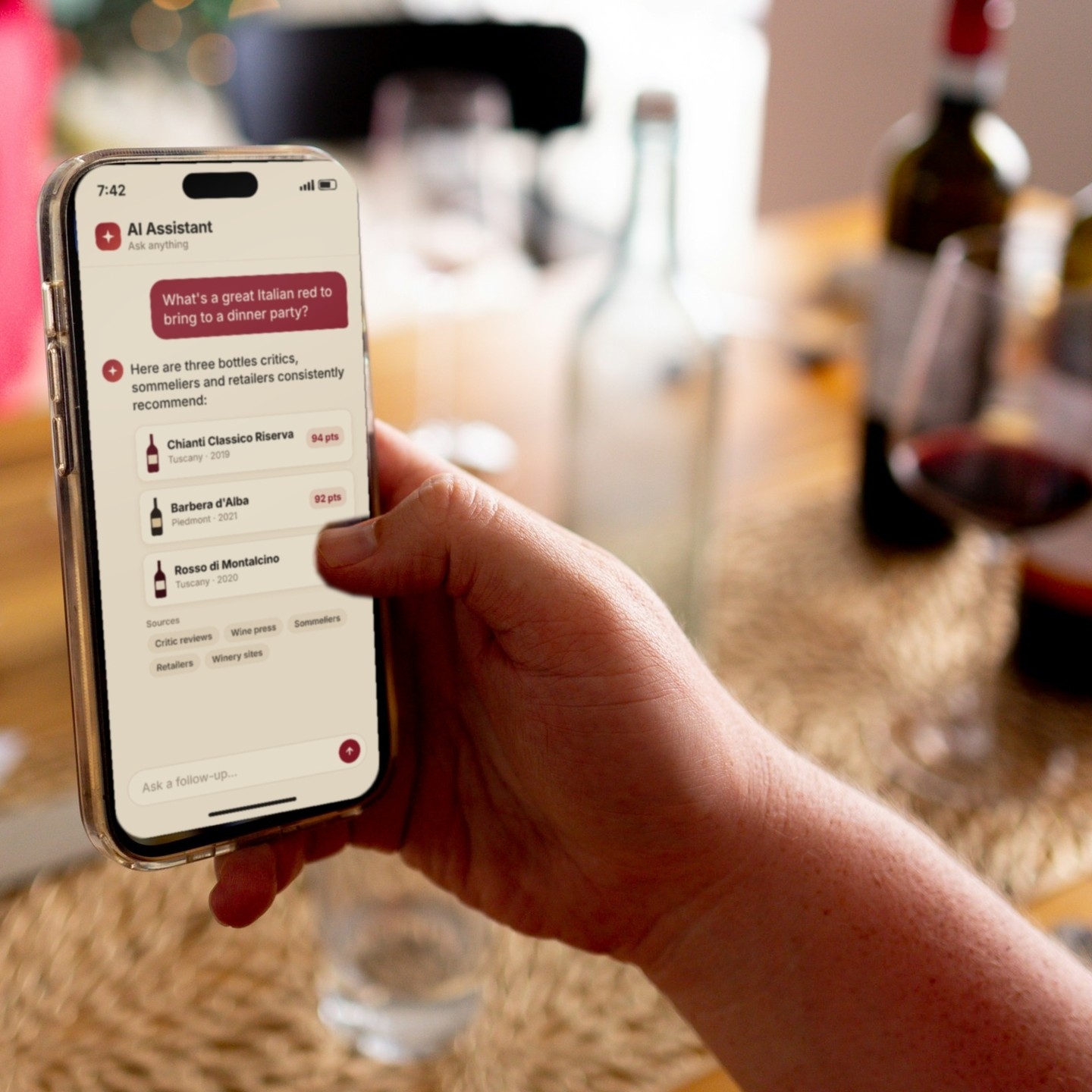
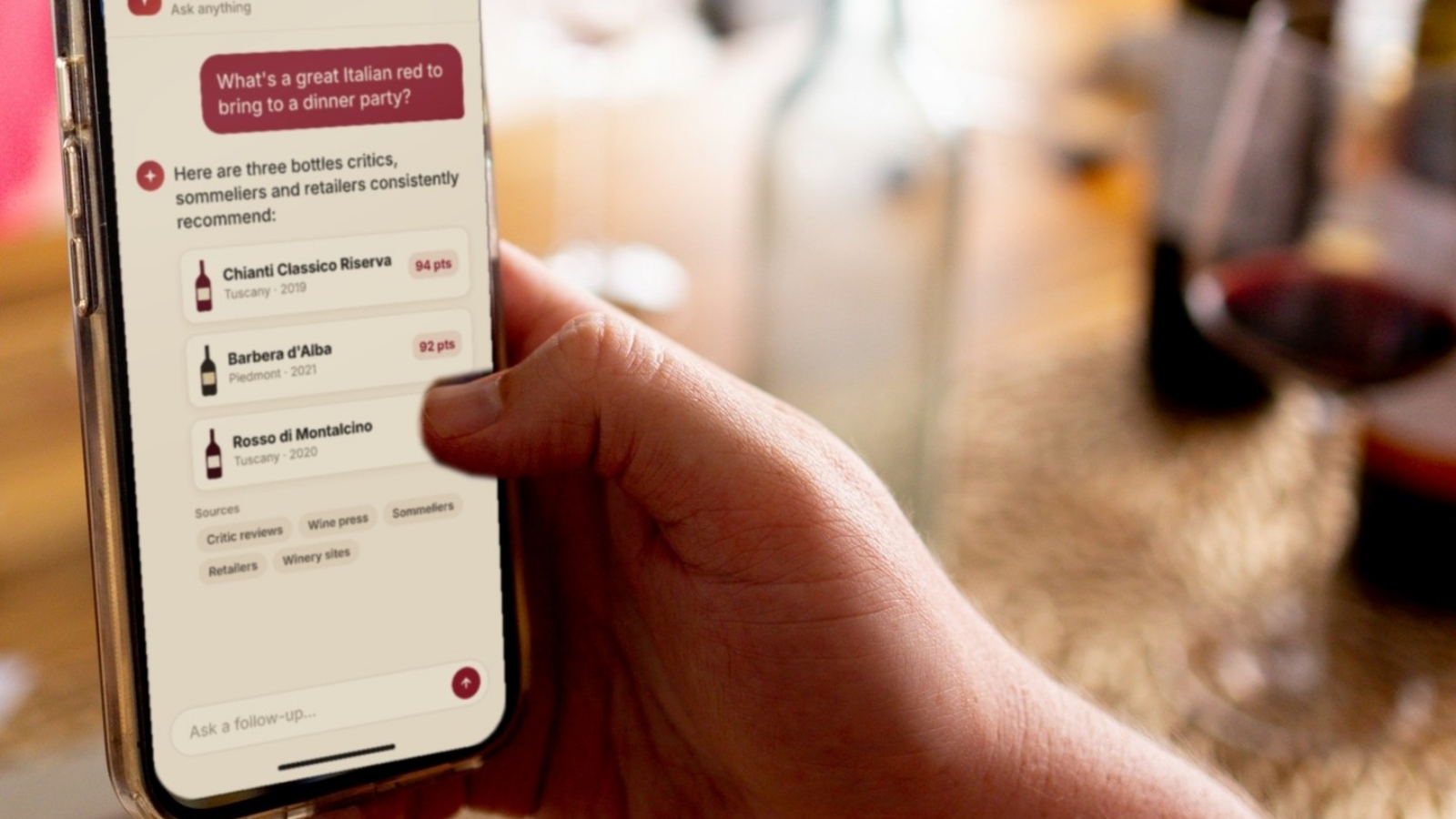
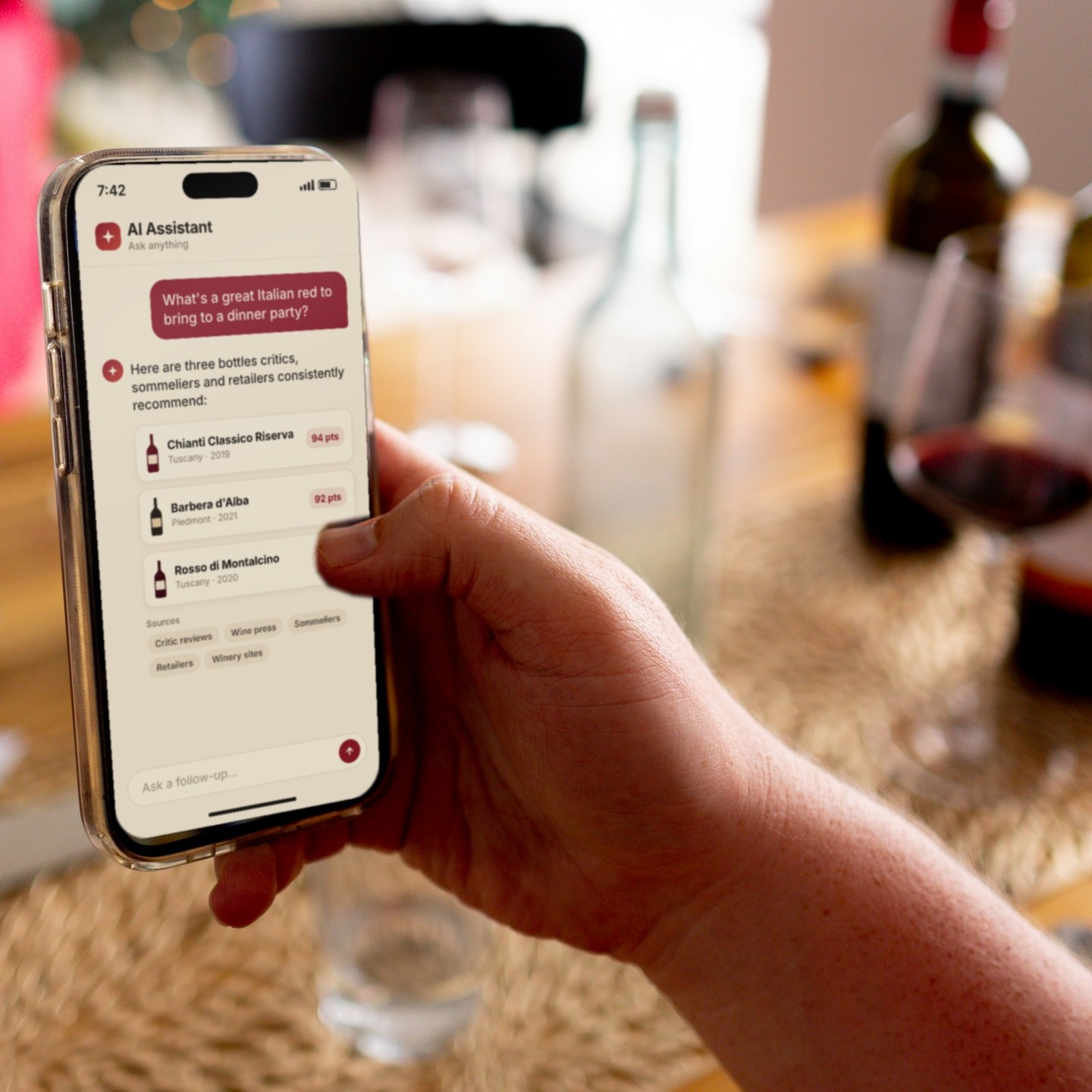
A consumer looking for a Napa Cabernet might traditionally have typed “best Napa Cabernet” into a search engine, browsed several articles, looked at critic scores, visited a retailer or winery website, and perhaps read consumer reviews before making a decision.

Increasingly, that same consumer can ask an AI platform something far more specific:

I’m looking for a Napa Cabernet under $100 from a respected producer that isn’t overly fruit-forward. What should I buy?

A traveler planning a trip to wine country might ask:

I’m visiting Willamette Valley for two days. Which wineries should I visit if I’m most interested in serious Pinot Noir and Chardonnay?

Instead of navigating a series of individual sources, the consumer may receive a synthesized answer.

For communicators, that raises an important question: Where did that answer come from? 

Because it didn’t appear from nowhere. It was informed by an existing information ecosystem-the very ecosystem communications professionals have spent decades helping brands navigate.


Wine and Spirits Have Always Had a Complex Ecosystem of Influence

Reputation in wine and spirits has never been shaped by a single voice.

A brand can be influenced by critics and scores, trade publications, national media, sommeliers, distributors, retailers, restaurants, creators, travel coverage, its own digital presence and decades of accumulated storytelling.

A critic may establish quality credentials. A sommelier can influence the trade. A major publication can introduce a producer to a much broader audience. A retailer can affect discovery at the point of purchase. A winery’s own website establishes the facts and stories it puts into the world.

Each contributes a different signal.

Increasingly, AI adds another layer to that ecosystem, not necessarily replacing those voices, but synthesizing information from across them. That changes the way we have to think about influence.

For a specialized agency like ours, the intersection between traditional authority and emerging AI discovery is particularly important. We’ve spent decades understanding the journalists, critics, trade voices and cultural conversations that shape reputation in our categories.

Now we also need to understand how those signals may influence what AI platforms understand, surface and recommend.


The Questions We’re Asking Are Changing

When we first began exploring AI at C&P, many of our questions were understandably focused on how we could use it.

But increasingly, we’re asking another set of questions:

  • What does the AI ecosystem know about our clients?
  • How does that compare with what our clients actually want to be known for?
  • Which sources are shaping that understanding?
  • What narratives are being reinforced?
  • How does a brand appear compared with its competitors?
  • Where are our clients absent from conversations they should be part of?

And perhaps most importantly:

  • What happens when an earned media story doesn’t only reach the people reading it today, but may also contribute to the information environment AI systems use to answer questions tomorrow?

These aren’t simply technology questions. They’re communications strategy questions.


Earned Media May Have a New Layer of Influence

For decades, communications professionals have thought about earned media largely through the lens of human audiences.

  • Who reads this publication?
  • How influential is this journalist?
  • Will the right trade audience see this story?
  • Will this coverage build awareness, credibility or reputation?

Those questions remain essential.

But now there may be another consideration: what happens to credible information after it’s published?

An article has an immediate audience. But the information contained within it can also become part of a much larger digital information environment.

As AI increasingly becomes another way people search for information, compare options and ask for recommendations, communicators need to think more broadly about how credible information travels and where authority originates.

That doesn’t mean we suddenly pursue media coverage for machines instead of people. The audience for communications remains human. But the path information takes to reach people is changing.

And that makes understanding source authority, reputation and the broader information ecosystem increasingly important.


From Media Visibility to AI Visibility

This shift is also beginning to change how we think about visibility.

At C&P, we’re beginning to examine what we call AI Visibility: how our clients appear across major AI platforms, what narratives are associated with them, how those results compare with competitors and which sources appear to be influencing those answers.

This isn’t about chasing a single new metric or declaring traditional communications measurement obsolete. It’s about developing a more complete picture of the information environment surrounding a brand.

If a winery wants to be recognized as an authority on a particular region, grape variety, production philosophy or issue, does the broader information ecosystem support that position?

If competitors consistently appear in conversations where our client is absent, why?

If an AI platform describes a brand primarily through its history when the company has spent years investing in innovation, hospitality or a new generation of leadership, what does that tell us?

Which credible sources are reinforcing the existing narrative?

And what combination of earned media, owned content, digital strategy and expert authority might help close the gap?

For us, AI Visibility isn’t simply about asking, “Does our client appear?”

The more useful question is: “What does the information ecosystem understand about our client and does that reflect the reputation we’re trying to build?”


Earned, Owned and Digital Can No Longer Operate in Silos

That question also challenges some of the traditional boundaries within communications.

Historically, disciplines have often operated in parallel.

PR teams focused on earned media. Digital teams focused on websites and search. Marketing teams managed owned content and other channels.

But AI discovery doesn’t necessarily respect those organizational boundaries.

A journalist’s article, a brand’s website, an expert interview, a critic review and other authoritative digital sources can all contribute to the broader information environment surrounding a brand.

That means communications strategy increasingly needs to consider how earned media, owned content and digital presence work together to establish authority.

For agencies, that requires closer integration.

For clients, it means thinking beyond individual placements or campaigns toward the larger body of credible information their communications are building over time.


The Fundamentals Matter More, Not Less

There is an understandable temptation whenever disruptive technology arrives to assume that everything that came before it has suddenly become obsolete. We believe almost the opposite may be true.

Great communications still depends on credibility. And in wine and spirits, we’re reminded of that every day.

A relationship with a journalist built over years matters. A critic’s trust matters. A sommelier recommending a bottle tableside matters. A distributor believing in a producer matters. A winemaker sitting across from someone and explaining why a vineyard is special matters.

AI doesn’t make those relationships obsolete. If anything, it gives us another reason to think carefully about where credible information originates and how far it may ultimately travel.

In an environment increasingly filled with synthetic content, verified information and authoritative sources become more, not less, valuable.

Technology can make communications faster. It can help us analyze more information and see patterns that would have been difficult to identify before. But speed doesn’t create credibility. Technology doesn’t replace expertise. And an AI-generated story doesn’t earn trust simply because it can be produced quickly.

Trust still has to be earned. Authority still has to be built. And good stories still have to be true.


Understanding a New Information Ecosystem

For communications professionals, the opportunity isn’t to abandon the fundamentals that have always driven our profession. It’s to understand how those fundamentals operate in a new information environment.

For C&P, that means continuing to do what we’ve always done, understand our clients, build relationships, earn credible visibility and tell stories that matter, while developing a much deeper understanding of how those stories travel, how authority is established and how brands are discovered.

That’s particularly important in wine and spirits.

These are industries built around people, place, expertise and experience. Technology may change how someone discovers a winery, learns about a region or chooses a bottle. But behind that recommendation is still a real vineyard, a real producer, a real history and a reputation that has been built over time.

Our job is to understand how those worlds now connect. Because increasingly, communications isn’t only about getting the right story in front of the right audience.

It’s about understanding the information environment that helps people find that story in the first place.


Share:
willamette

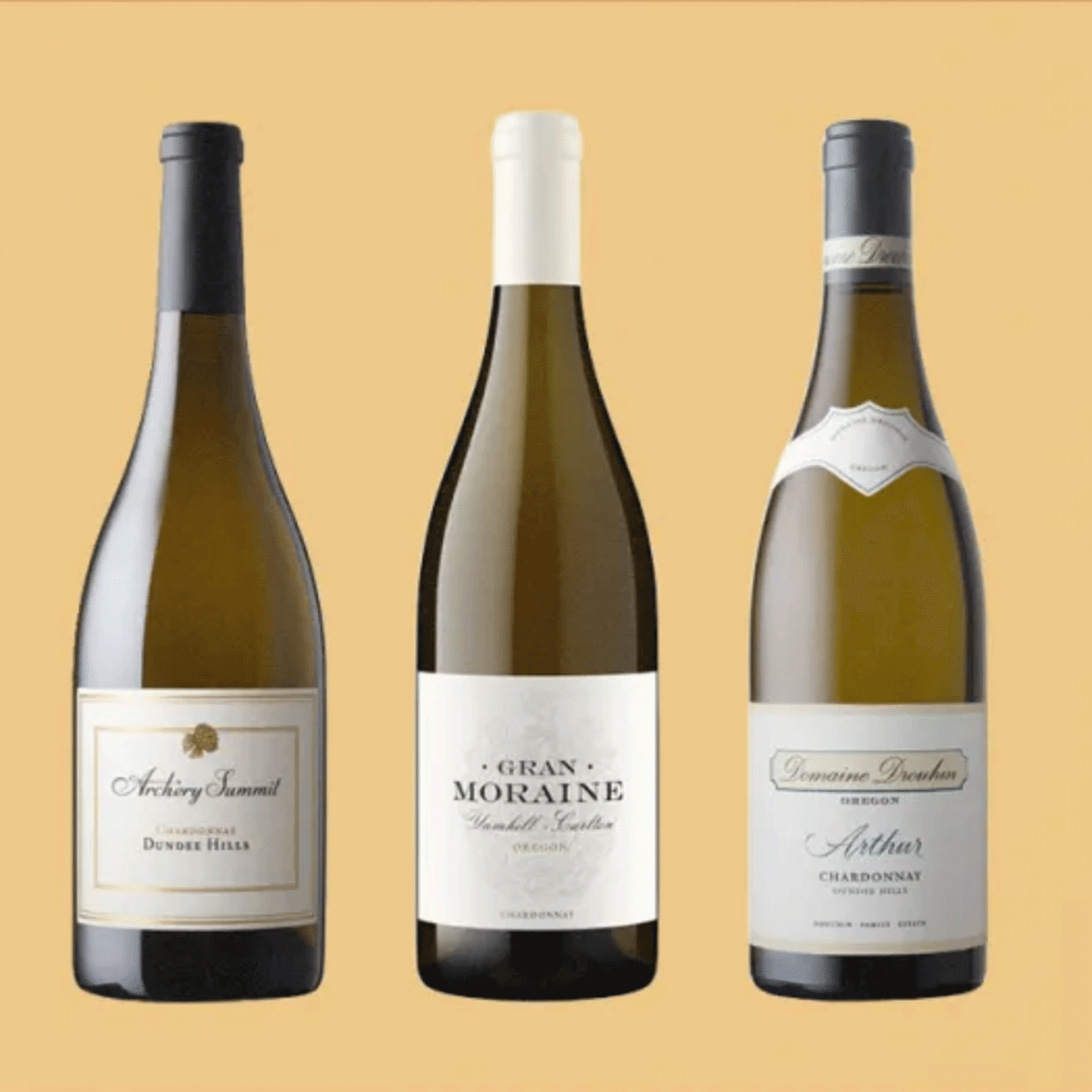
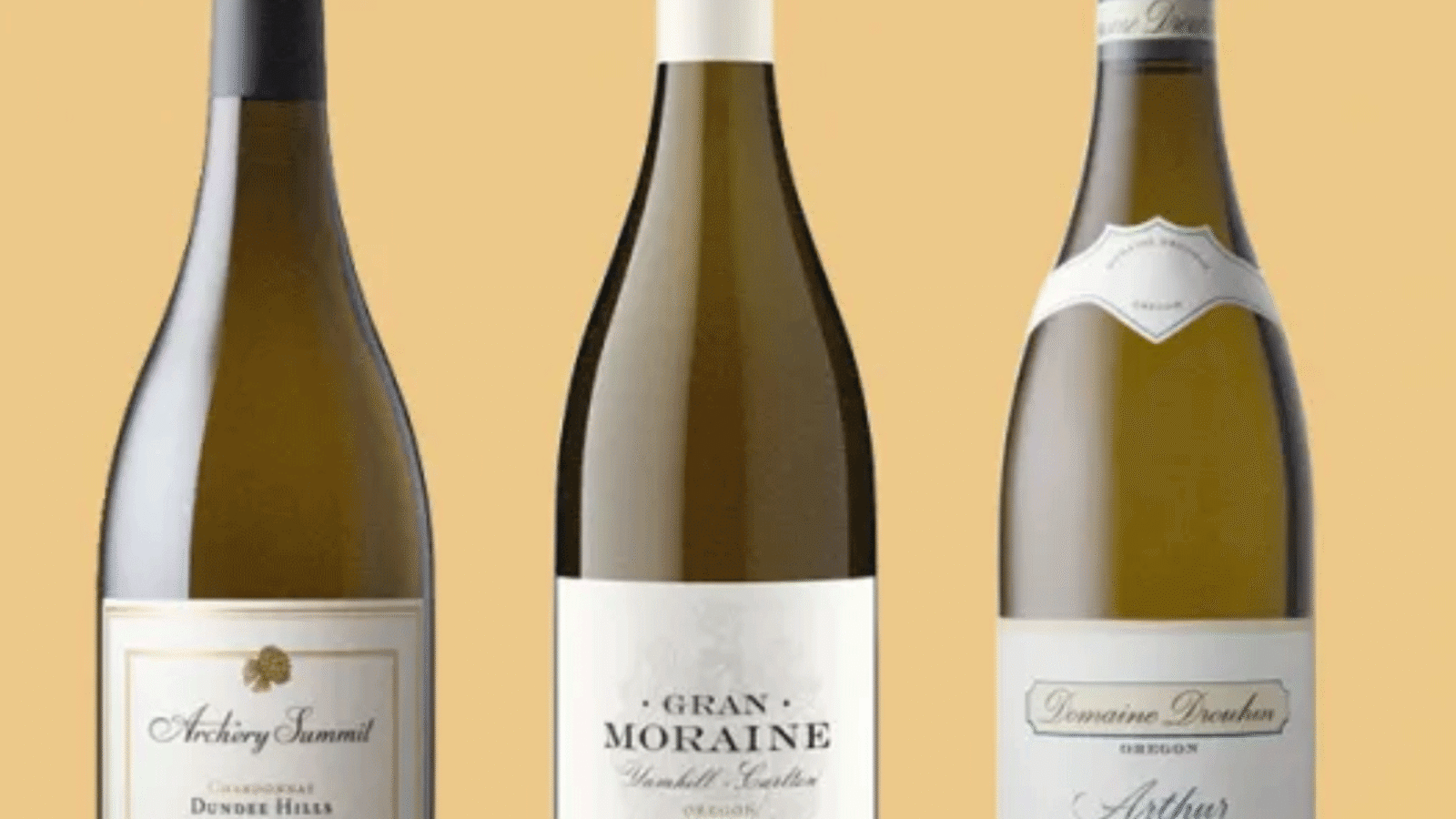
7 Wonderful White Wines From Oregon to Drink Right Now

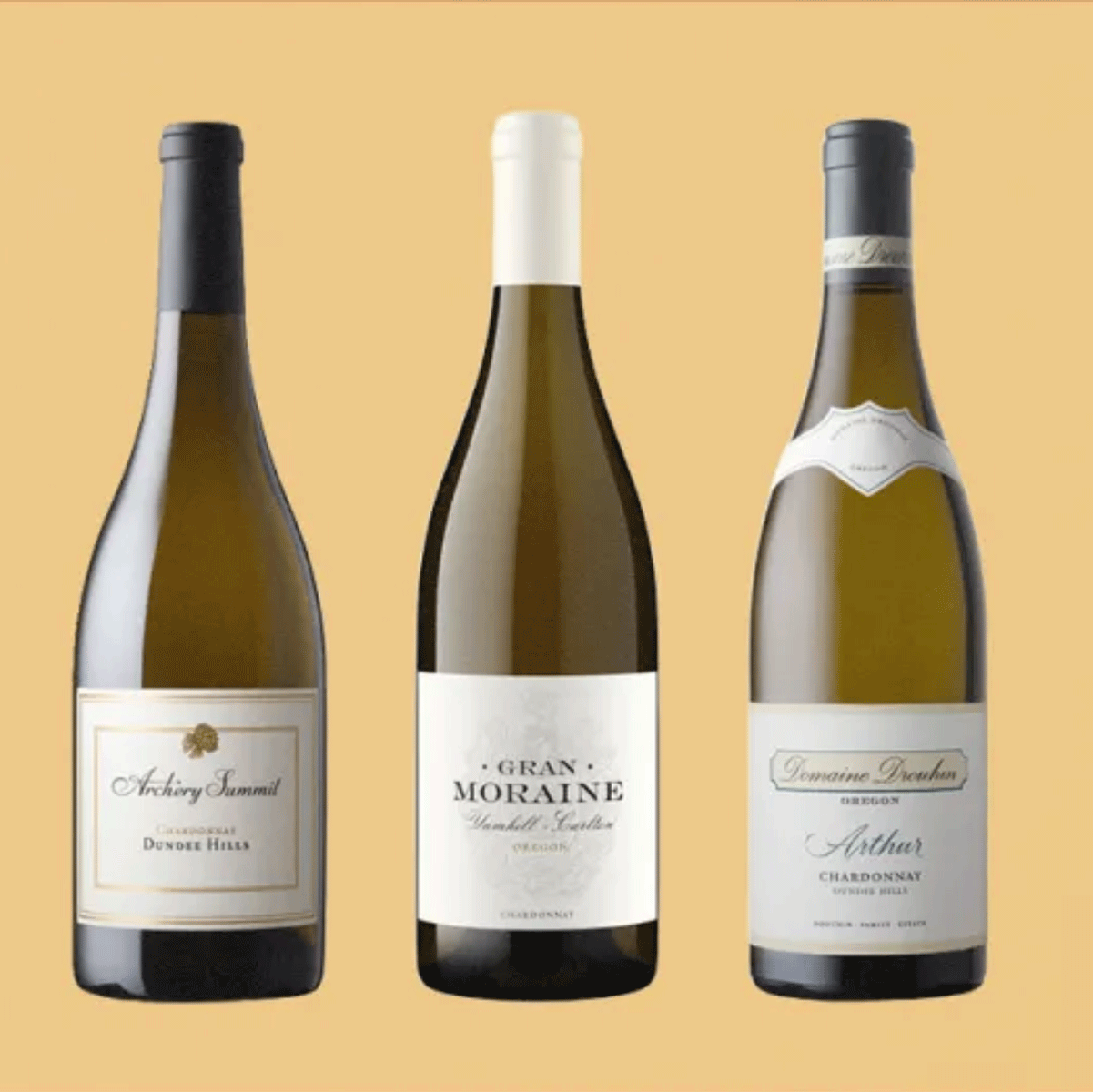
Winemakers planted Chardonnay vines in Oregon in the early 1970s, and to this day it remains the most widely grown white grape in the Willamette Valley, but on a recent visit we found some amazing white Pinot Noirs and traditional method sparkling wines made from white varieties as well. We’re big fans of the wineries that French winemaking families founded over 20 years ago and we’re also very happy to see that some of their winemaking techniques have rubbed off on other producers, especially those making quality whites in the region.

Share: