

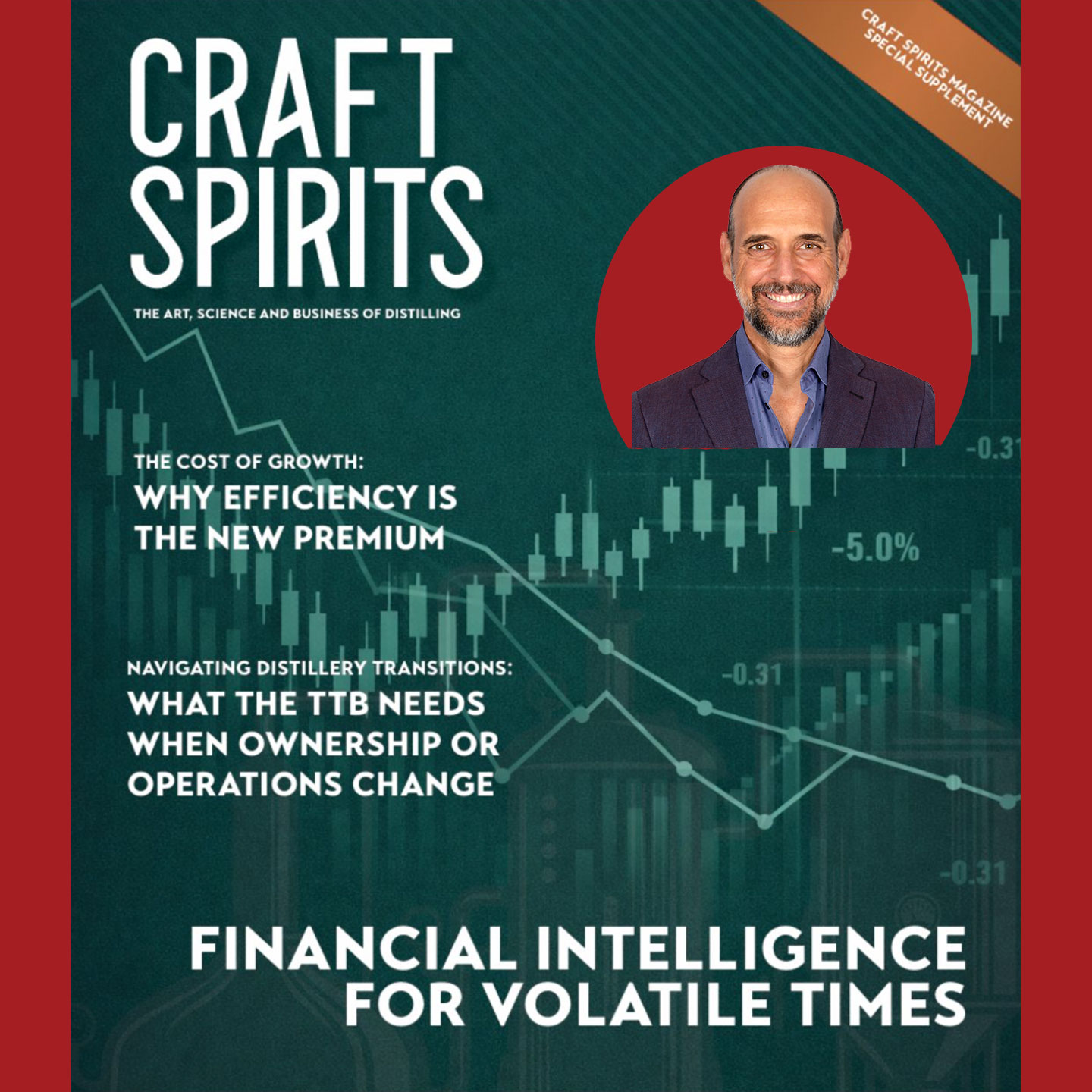
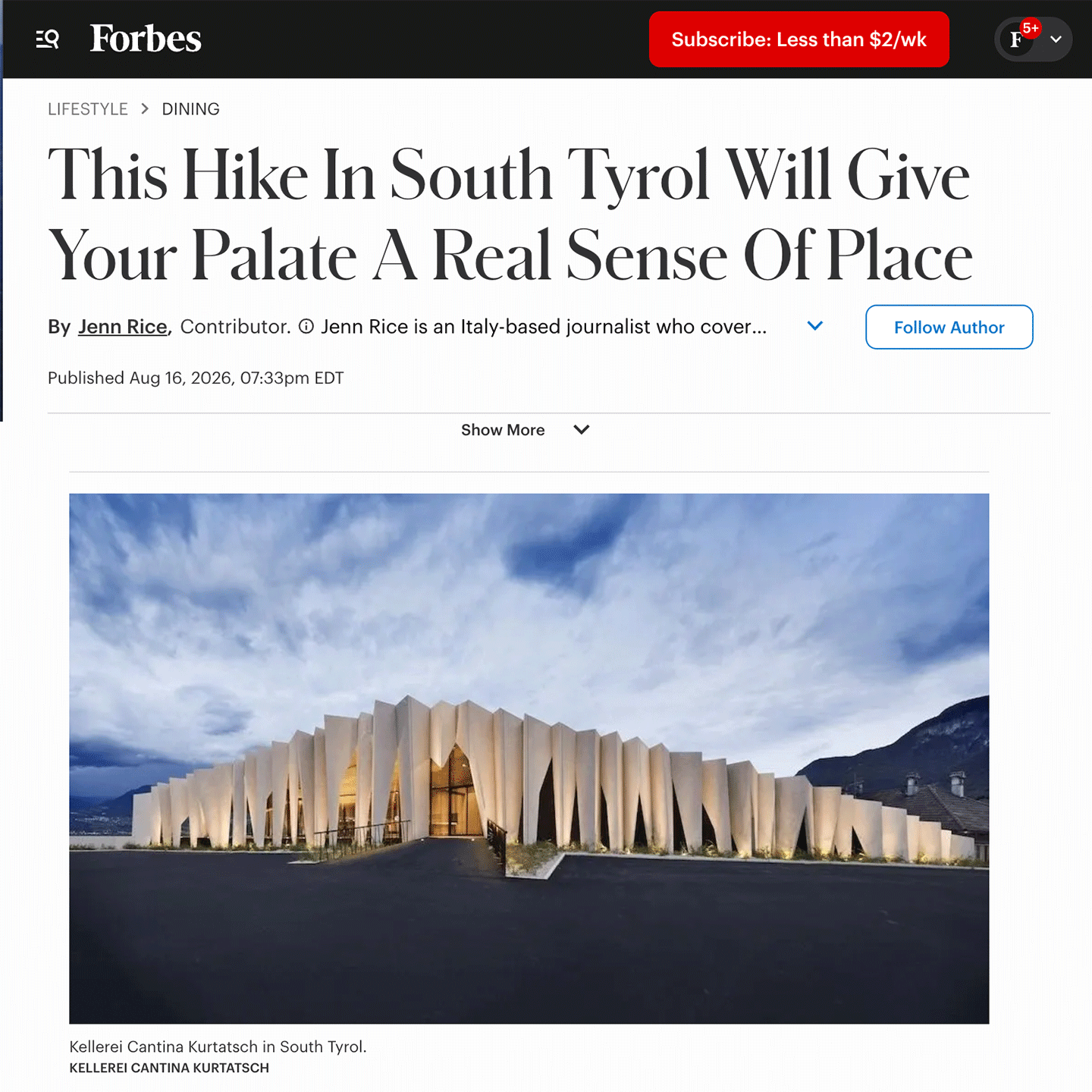
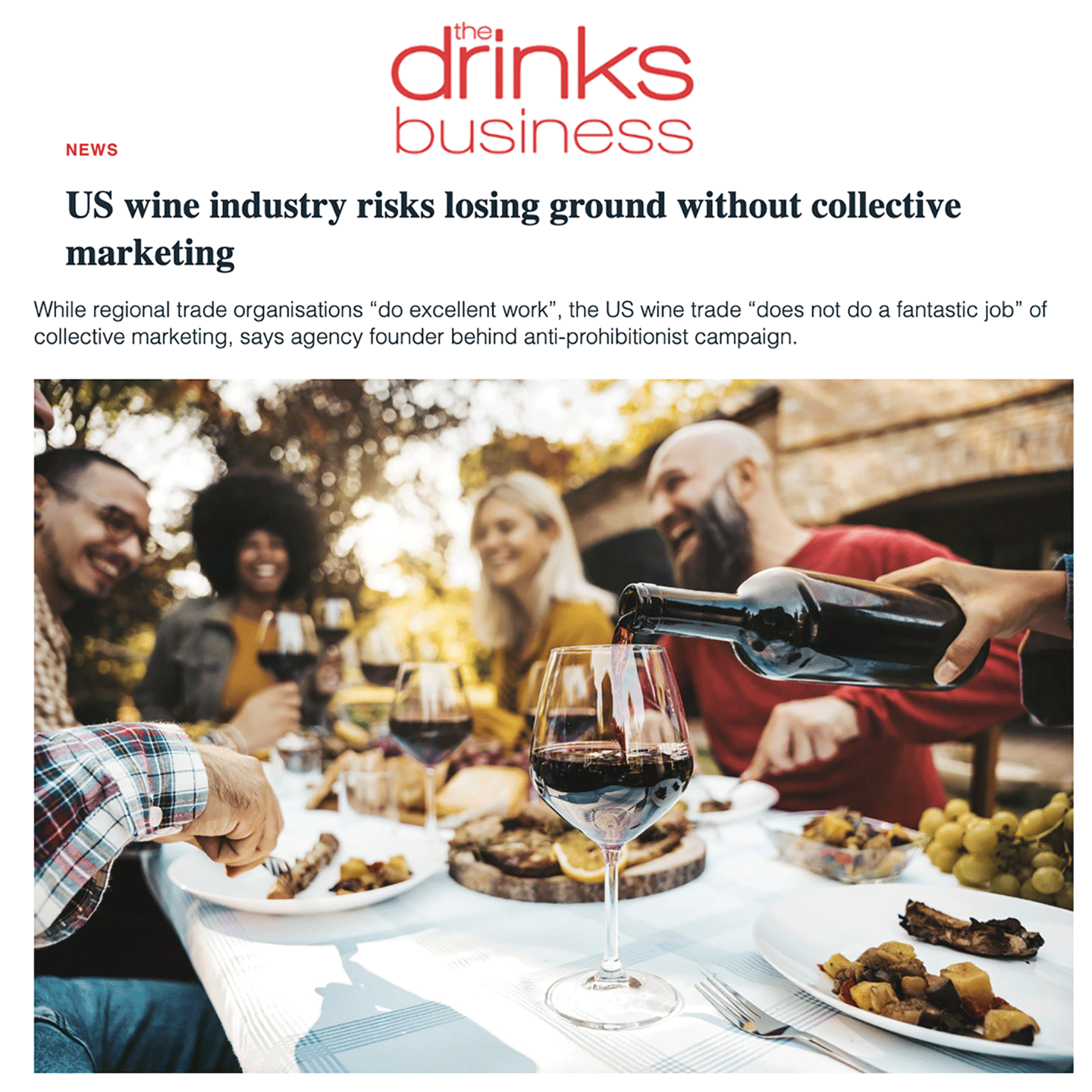
In The News Cover

How to Make the Ultimate Mint Julep

Client News

How to Make the Ultimate Mint Julep

Publish By : Town&Country

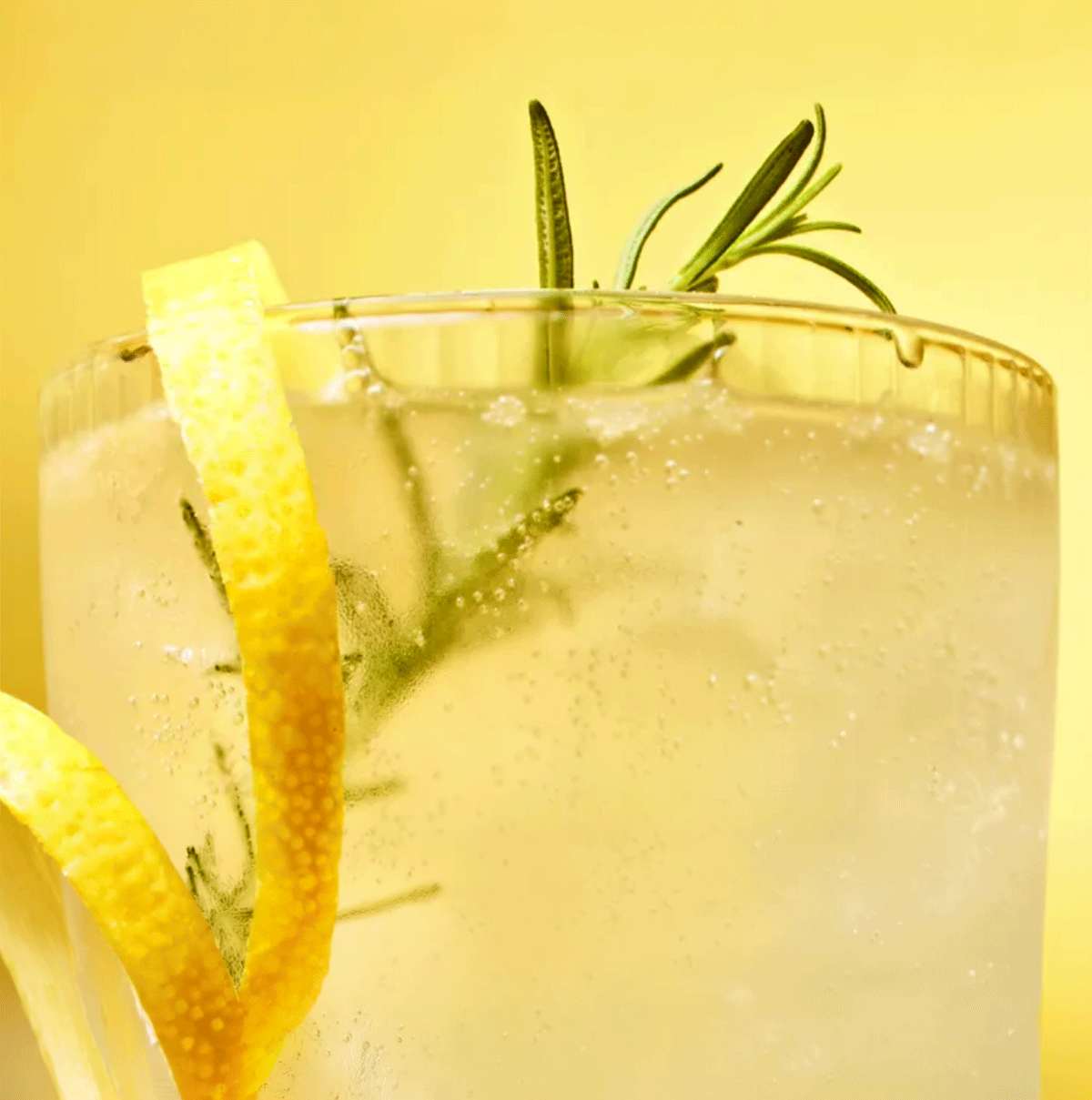
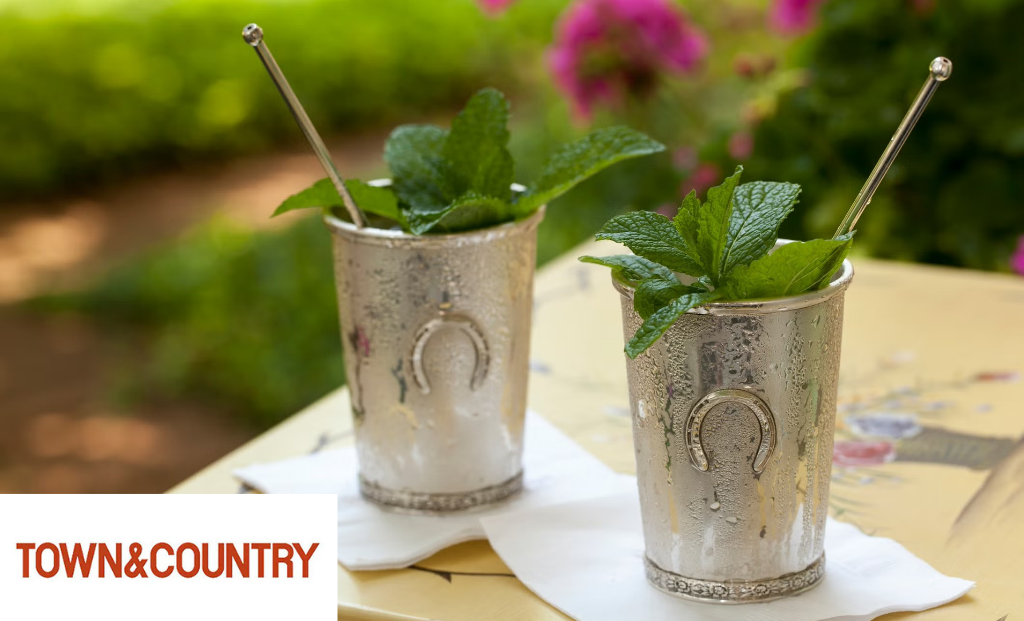
When it comes to the Kentucky Derby, there’s really only one drink that matters: the mint julep. And while we’re all in favor of the classic version, with its simple blend of sugar, mint, and bourbon, the traditional recipe isn’t the only option when it comes to mixing up a Derby Day tipple. So while you’re manning the bar during the Run for the Roses try one of these recipes, from genuine classics to creative modern twists.

Share:
In The News Cover

Georgia in the Spotlight

Client News

Georgia in the Spotlight

Publish By : Forbes

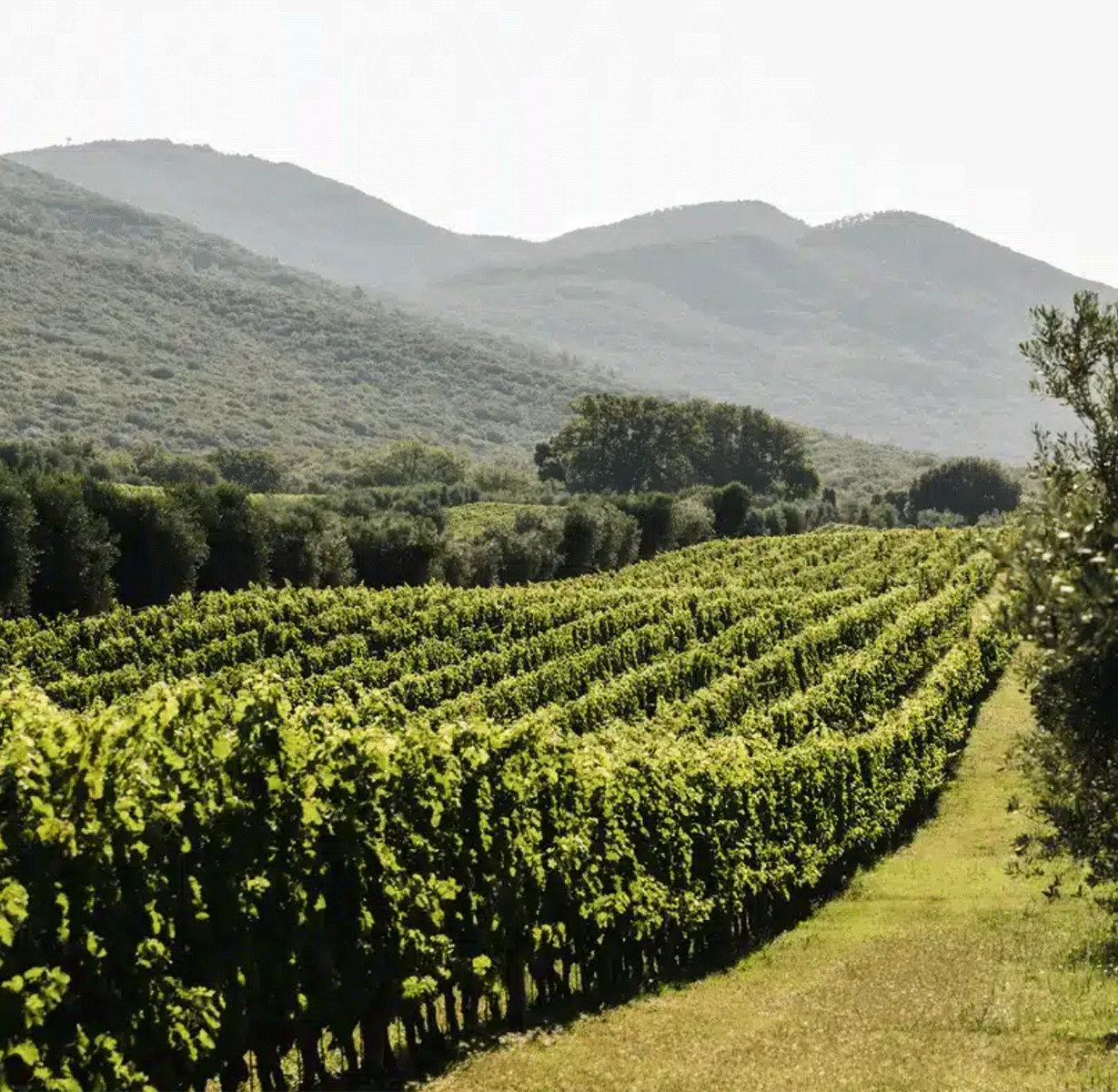
The wines of Georgia seem to be having a moment. The Eastern European country is benefiting from a notable increase in tourism to the home of an 8,000-year-old wine culture, while its wide range of indigenous grape varieties, distinctive winemaking style and hearty cuisine provide fertile territory for adventurous palates. Read senior editor James Molesworth’s tasting report to get scores and tasting notes for recently released red, amber and white wines, including standout bottlings and good values from across the country’s top winemaking regions, such as Kakheti, Kartli, Imereti and beyond!

Share:
In The News Cover copy

New Owners, New Facilities And A New Chapter For Old Elk

Client News

New Owners, New Facilities And A New Chapter For Old Elk

Publish By : Forbes

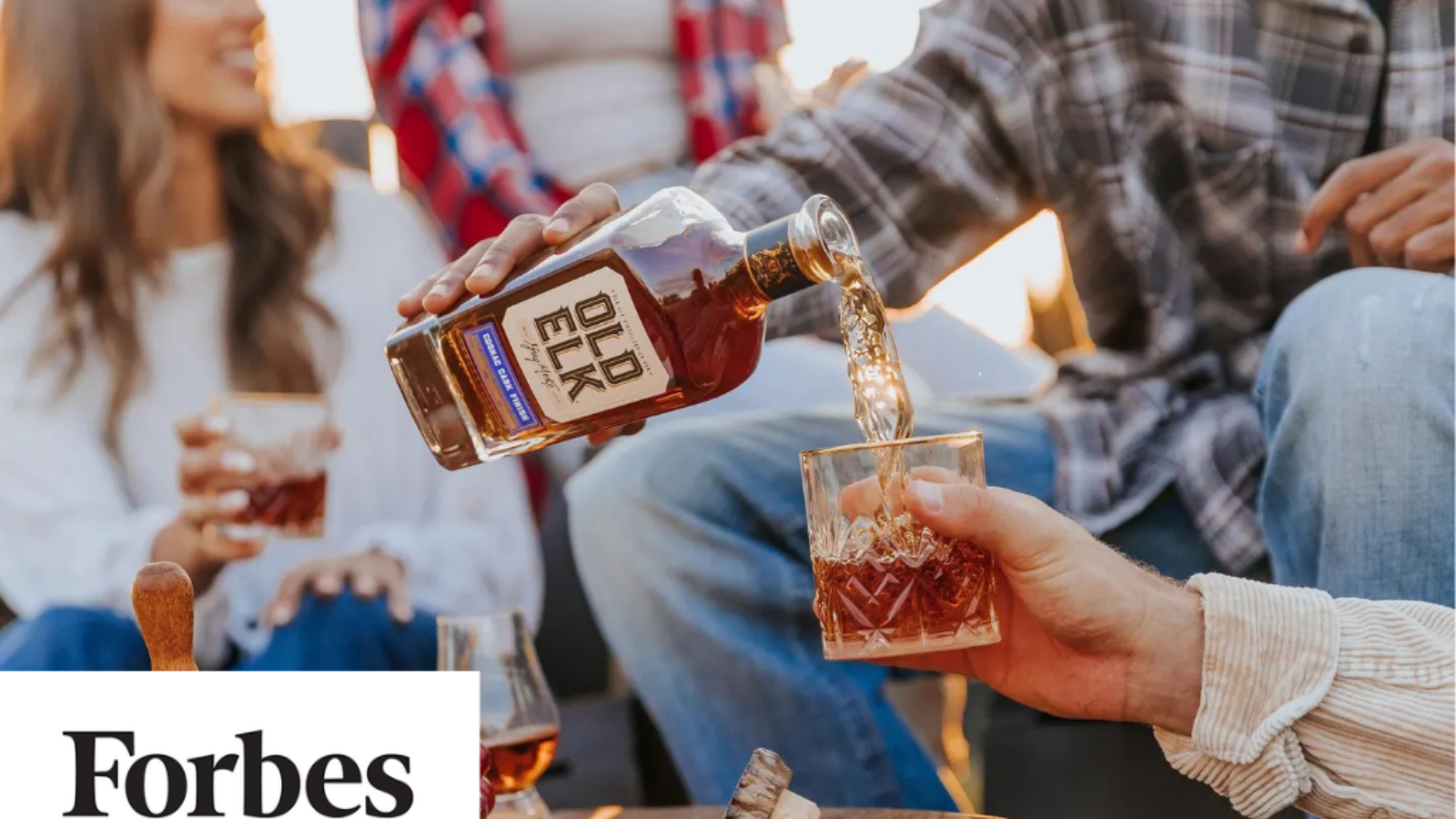
Old Elk’s next chapter is a significant one. The Fort Collins, CO-based company built its brand on the expertise of a distilling legend, products made with unique mash bills, and a healthy dose of Rocky Mountain charm. As a non-distilling producer (NDP), Old Elk historically relied on whiskey produced by their distilling partners. In 2025, Middle West Spirits acquired Old Elk Distillery and its assets. As a long-time contract producer, Middle West is primed to optimize and scale Old Elk for the next generation of American whiskey consumers.

Share:
In The News Cover copy 2

Things We Want: The Honda Base Station Trailer, A 4-Door Corvette Family Hauler, And The ‘Sierra Cement’ Survival Guide

Client News

Things We Want: The Honda Base Station Trailer, A 4-Door Corvette Family Hauler, And The ‘Sierra Cement’ Survival Guide

Publish By : Brobible

Last week, we talked about buying a $600,000 Mercedes 6×6 Brabus and a Tiki Cruiser. This week, I’m pivoting to survival—specifically, surviving the whiplash of going from a Las Vegas German beer hall and three days of meetings to the unforgiving slopes of the Eastern Sierras. We also have a futuristic camping trailer, a four-door Corvette family hauler, and the ski gear you need to stop embarrassing yourself in the crud.

Share:
In The News Cover copy

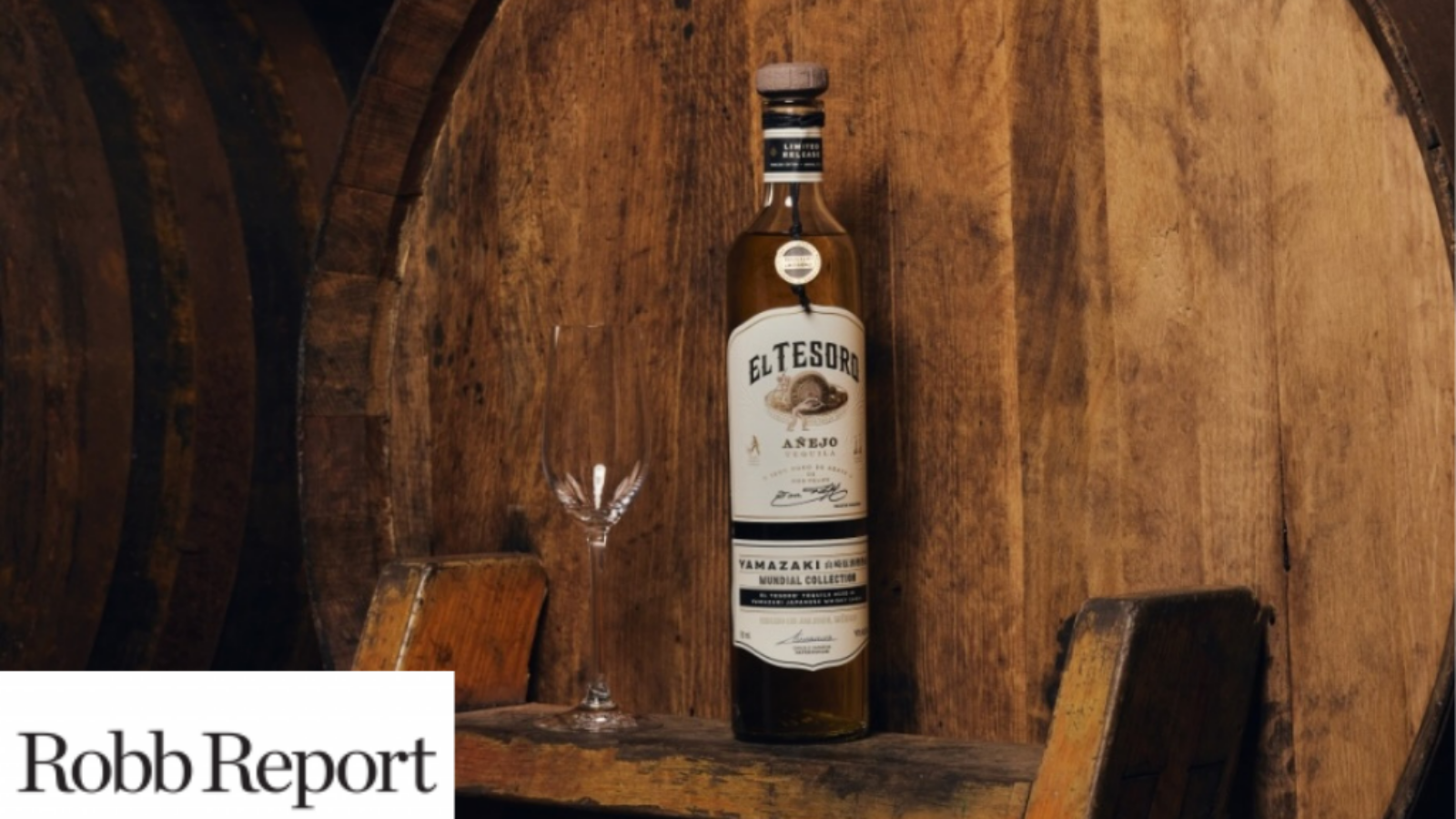
The 10 Best Añejo Tequilas to Buy Right Now

Client News

The 10 Best Añejo Tequilas to Buy Right Now

Publish By : Robb Report

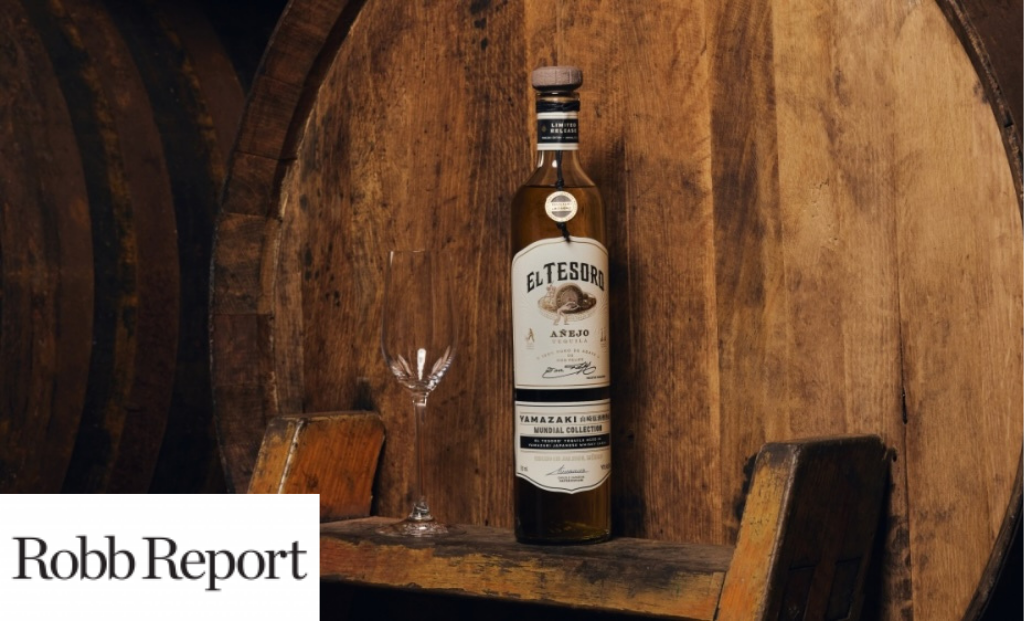
If you’re in the market for the best añejo tequila, there are several factors to consider—even though the category is rigidly defined by law, there are differences in style, maturation, alcohol content, and even terroir to take into account when searching for this quintessentially Mexican aged spirit (we’ll dive even deeper into these differences below). The good news is that there are many excellent añejos out there for you, so we’ve put together this list to help steer you towards some of the best añejo tequila to buy in different categories. Happy hunting, and cheers.

Share:
In The News Cover

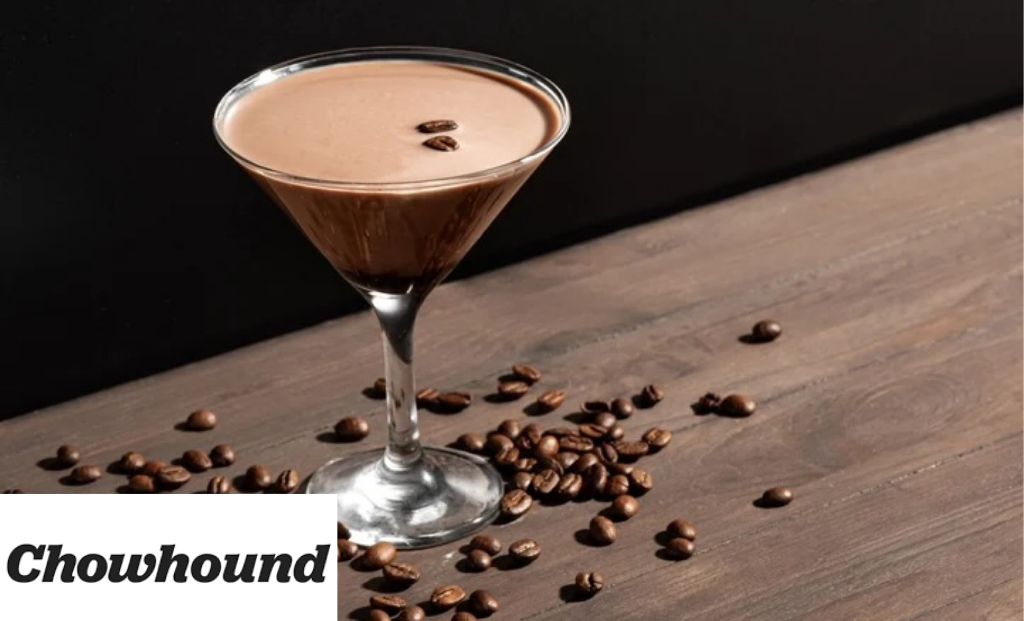
The 9 Best Coffee Liqueurs For Espresso Martinis, According To Cocktail Experts

Client News

The 9 Best Coffee Liqueurs For Espresso Martinis, According To Cocktail Experts

Publish By : Chowhound

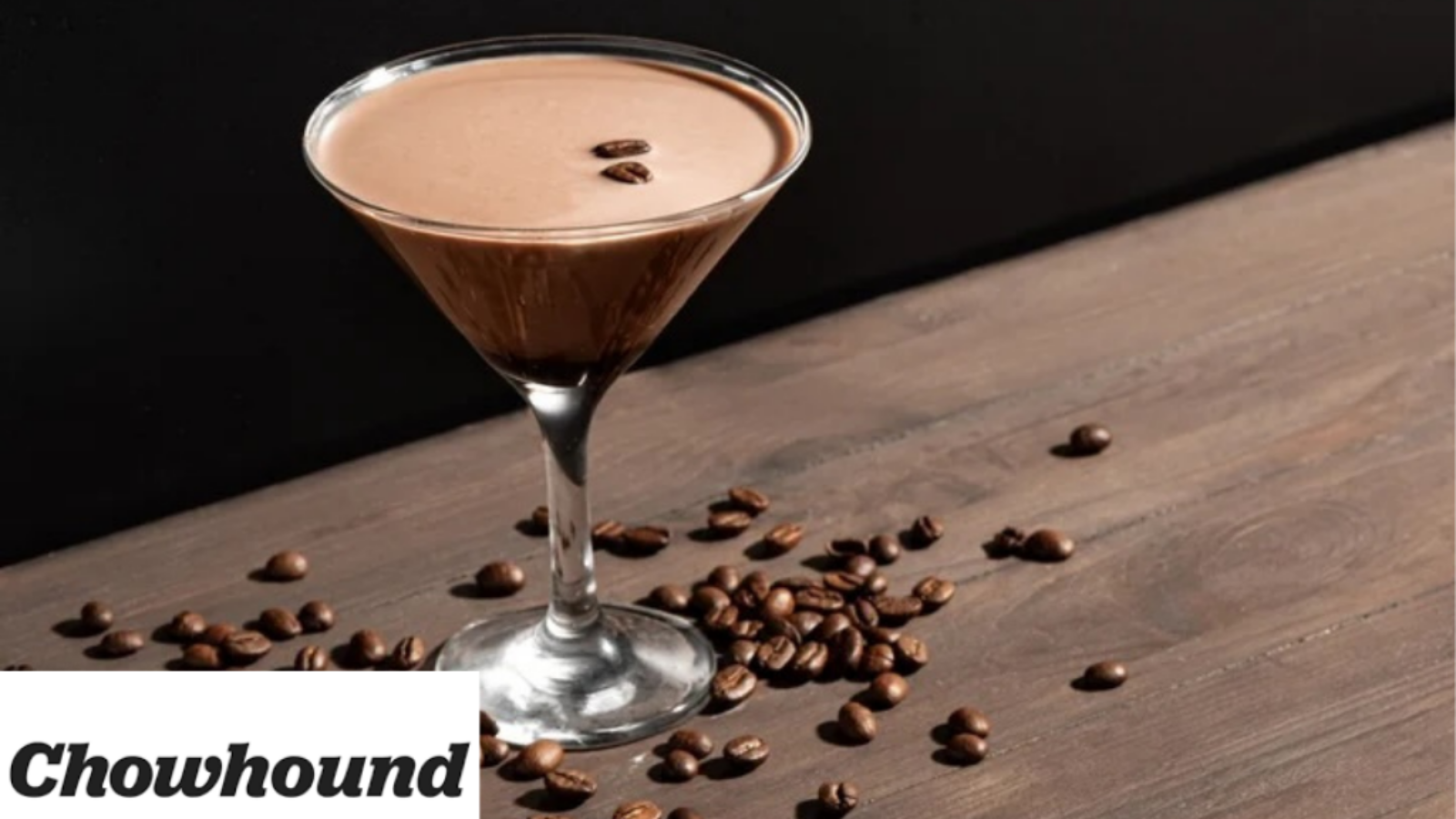
Even if you don’t consider yourself the most up to date on mixology trends, chances are you’ve heard about a little something called the espresso martini. The it-girl of the cocktail world got its start in the ’80s and has seen a resurgence among drinkers in recent years who adore the combination of (usually, but not always) vodka, espresso, and coffee liqueurs — the latter of which being the reason we are gathered here today. 

Share:
In The News Cover (1)

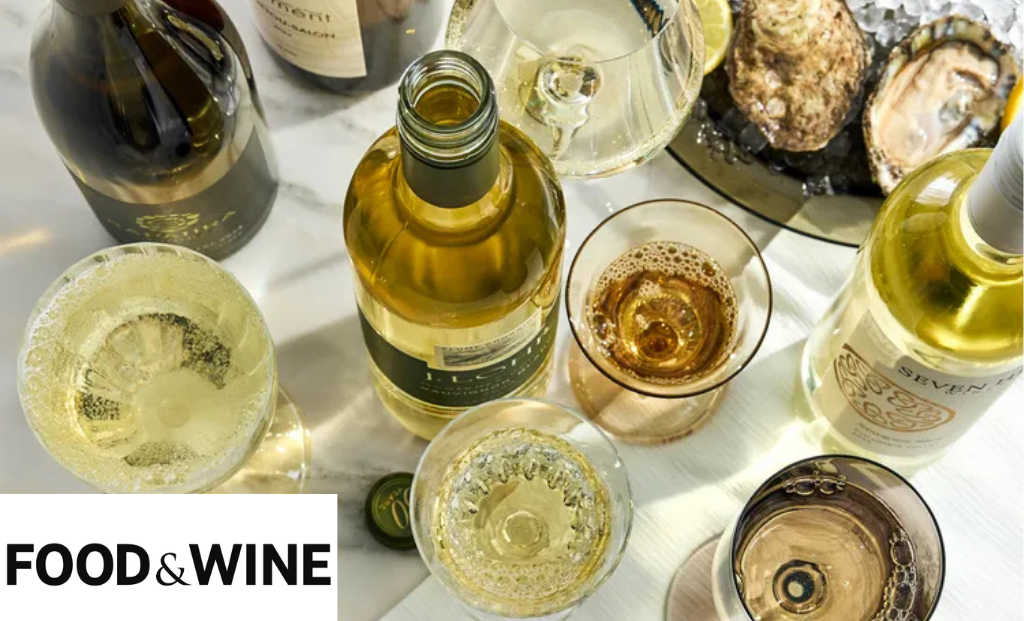
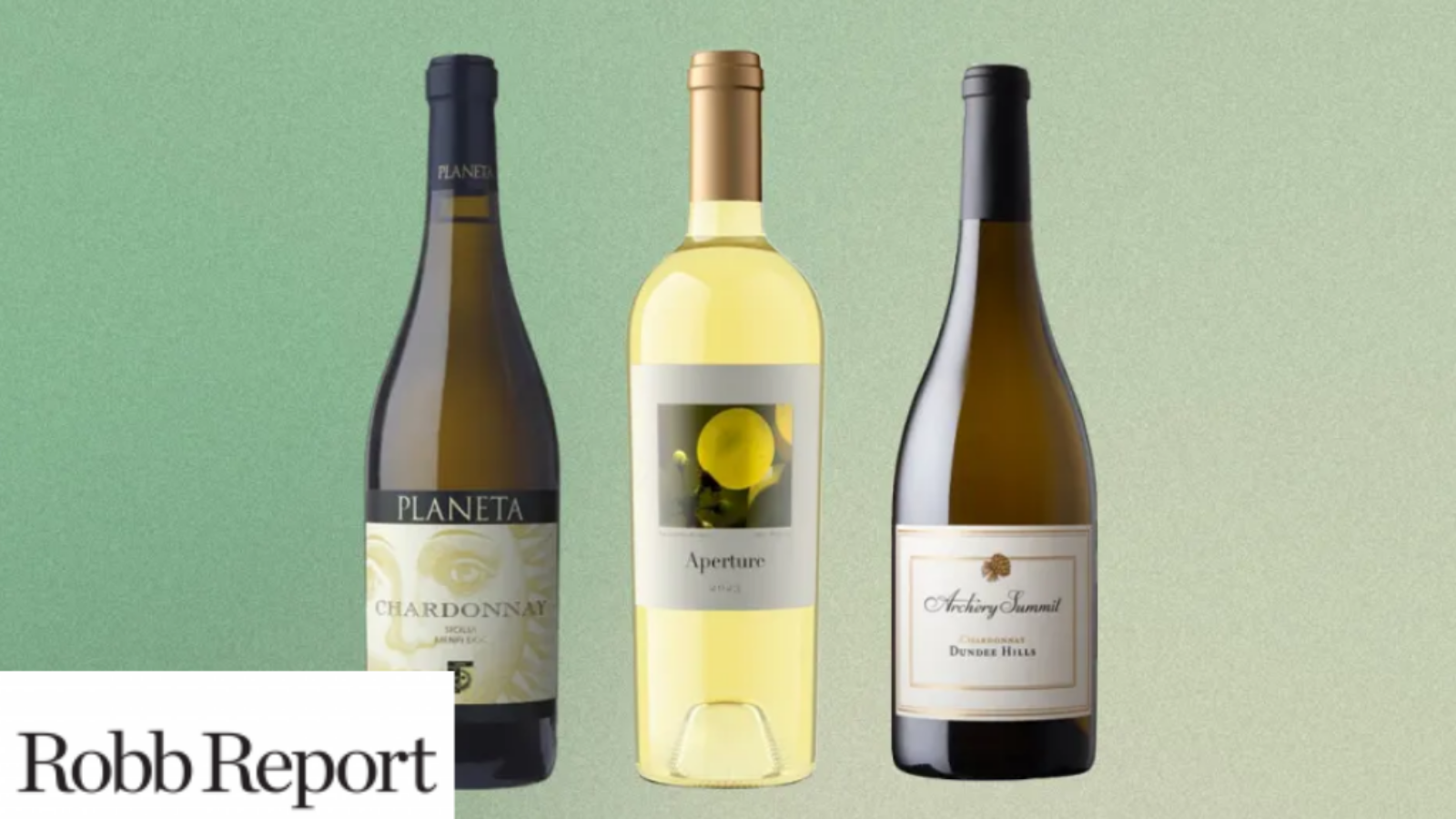
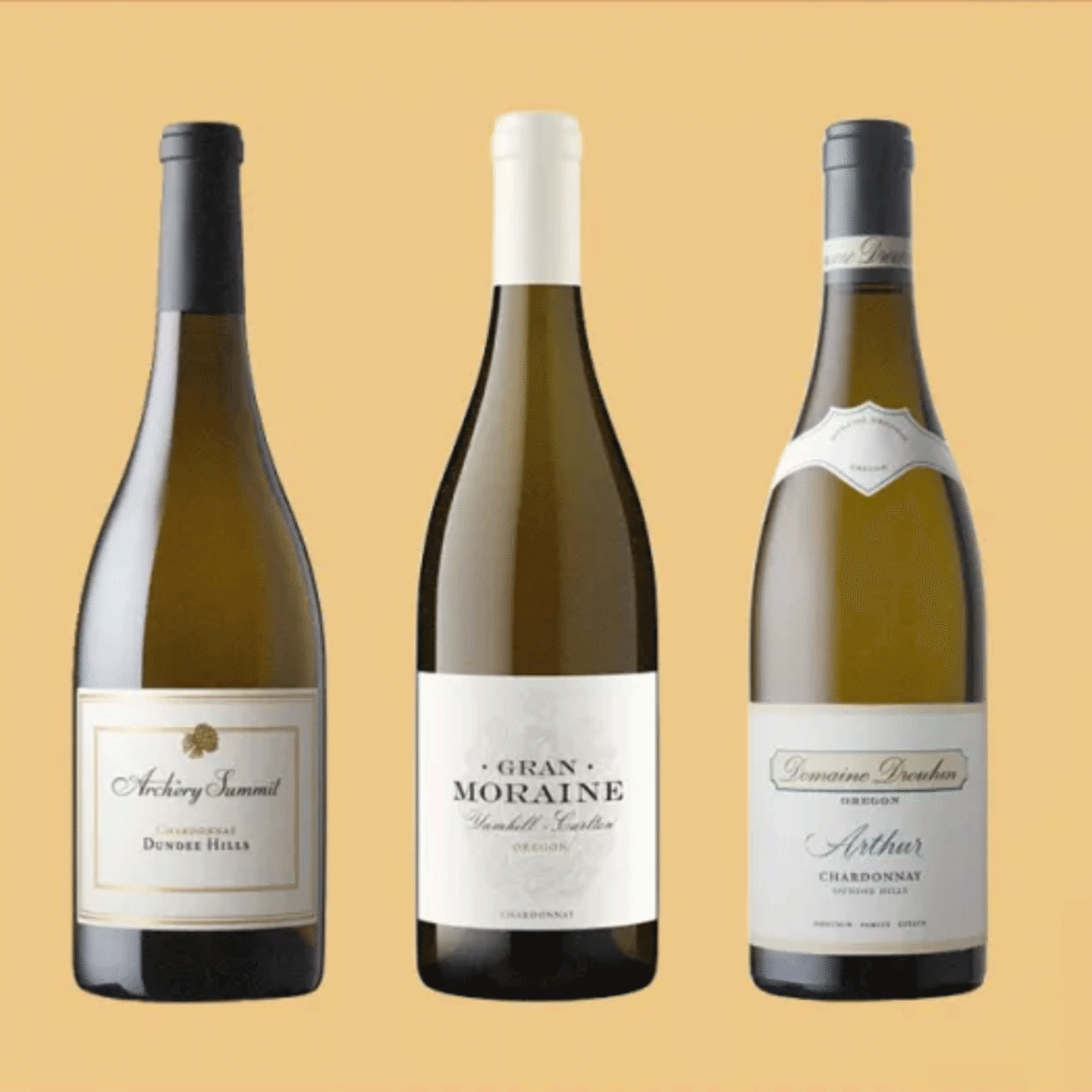
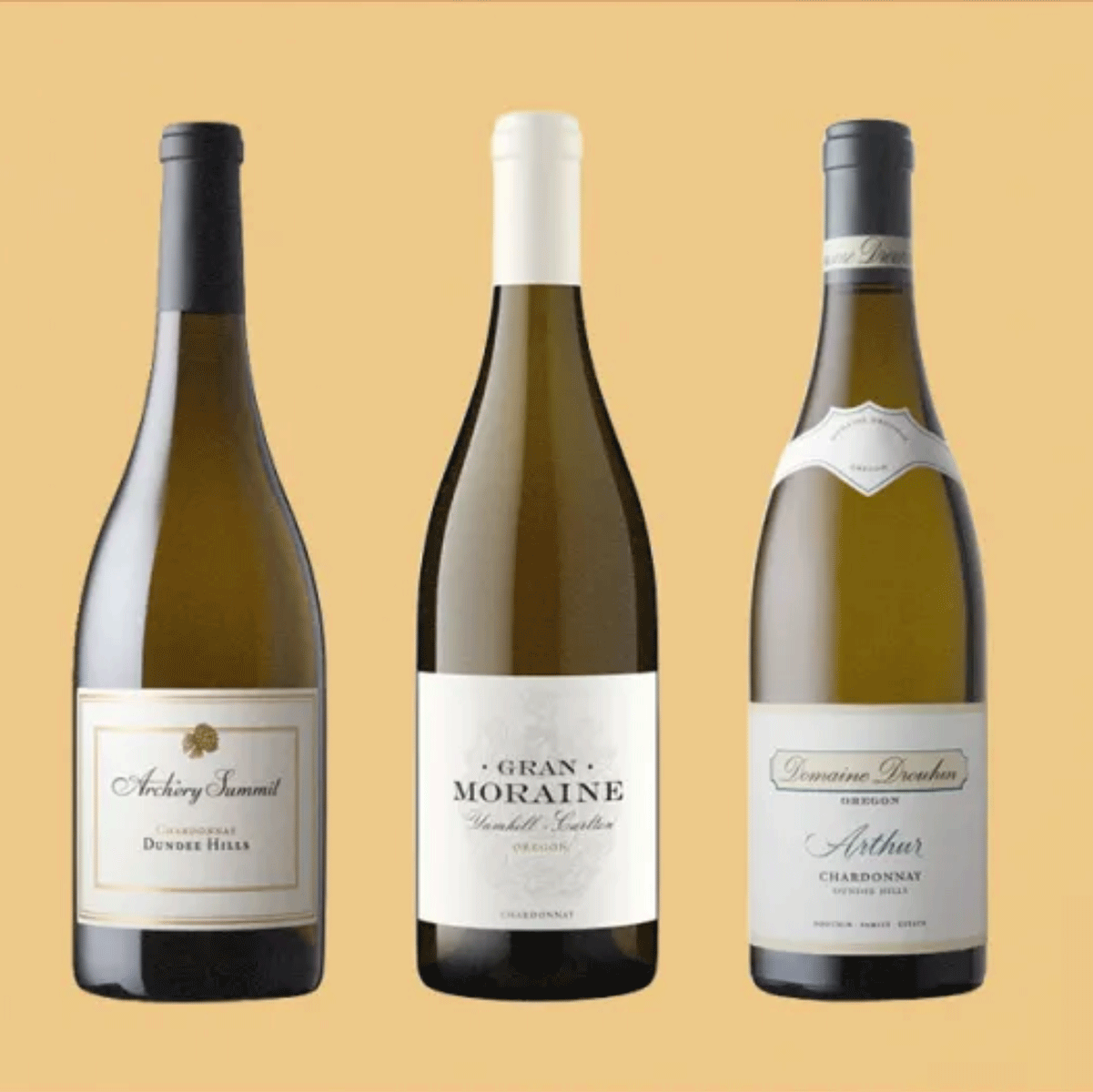
7 Bold White Wines to Drink All Winter Long

Client News

7 Bold White Wines to Drink All Winter Long

Publish By : Robb Report

Napa Cabernet Sauvignon is so 2010s*. (*Unless you’re a well-funded, knowledgeable buyer of back vintages, in which case, they – alongside Champagne, Grand Cru red Burgundy and Second Growth Bordeaux – are selling gangbusters.)

Share:
In The News Cover copy 2

Fruit-forward and aromatic wines win over modern drinkers

Client News

Fruit-forward and aromatic wines win over modern drinkers

Publish By : The Drink Business

Napa Cabernet Sauvignon is so 2010s*. (*Unless you’re a well-funded, knowledgeable buyer of back vintages, in which case, they – alongside Champagne, Grand Cru red Burgundy and Second Growth Bordeaux – are selling gangbusters.)

Share:
In The News Cover copy

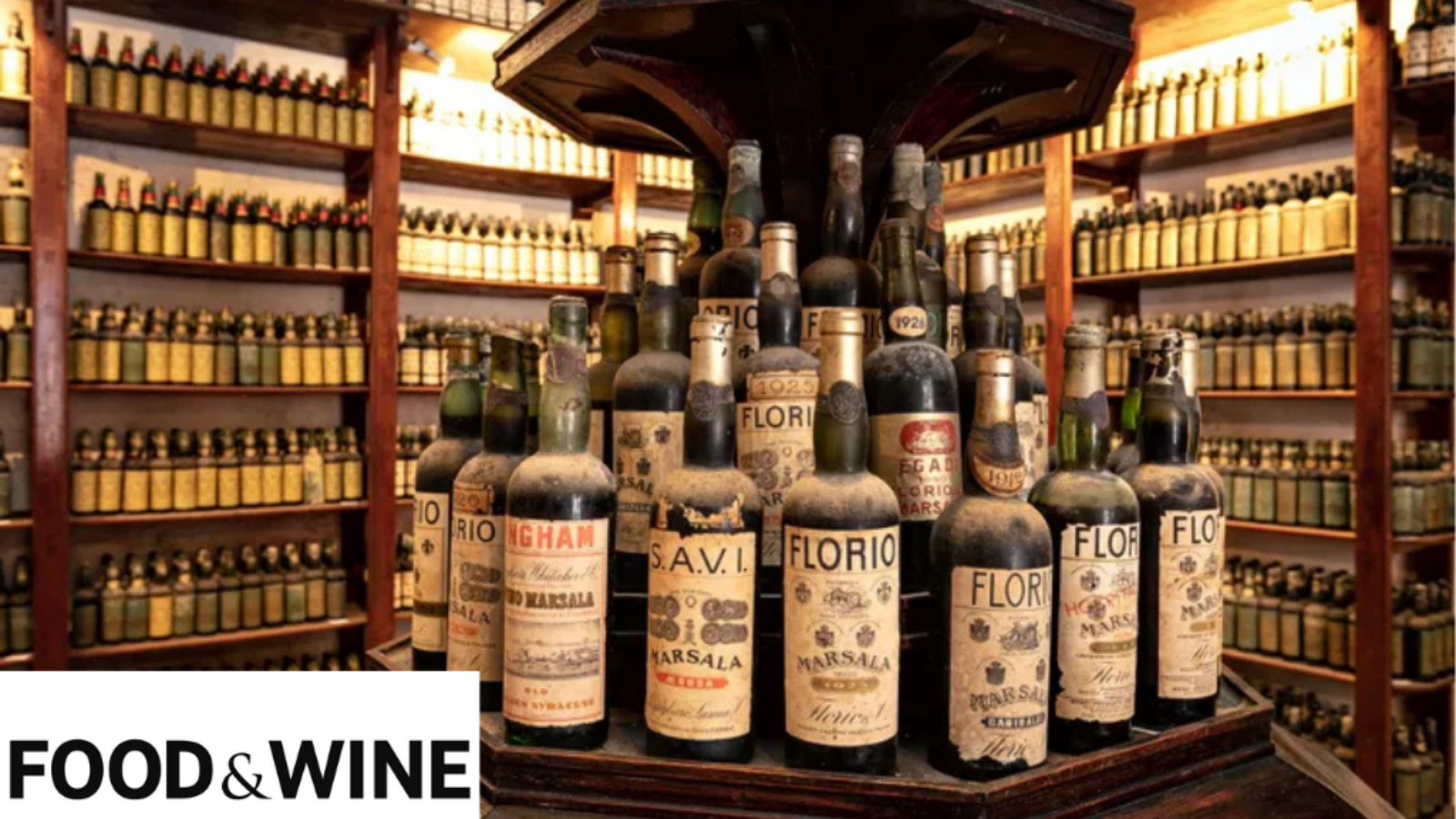
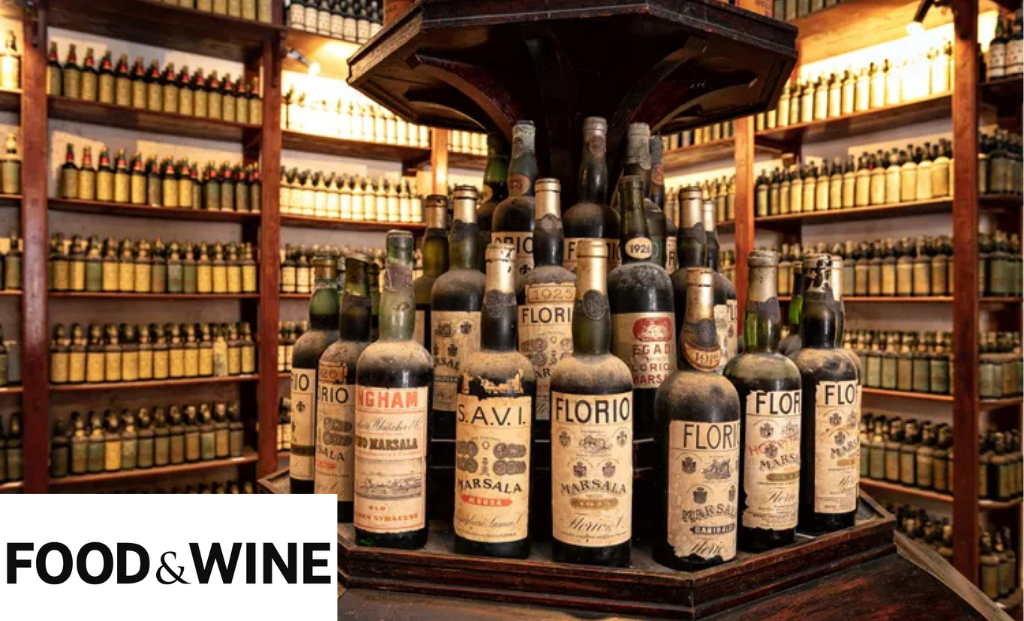
Marsala 101: Your Essential Guide to Sicily’s Most Misunderstood Wine

Client News

Marsala 101: Your Essential Guide to Sicily’s Most Misunderstood Wine

Publish By : Forbes

Most American home cooks meet Marsala in a skillet, splashed into a recipe for Chicken Marsala, reduced, and then forgotten on the back of a pantry shelf. That narrow use has unfairly shaped the fortified wine’s reputation in the U.S., obscuring a category with centuries of history and a surprising range of styles. But it’s time Marsala had its moment. 

Share:
In The News Cover (1) copy

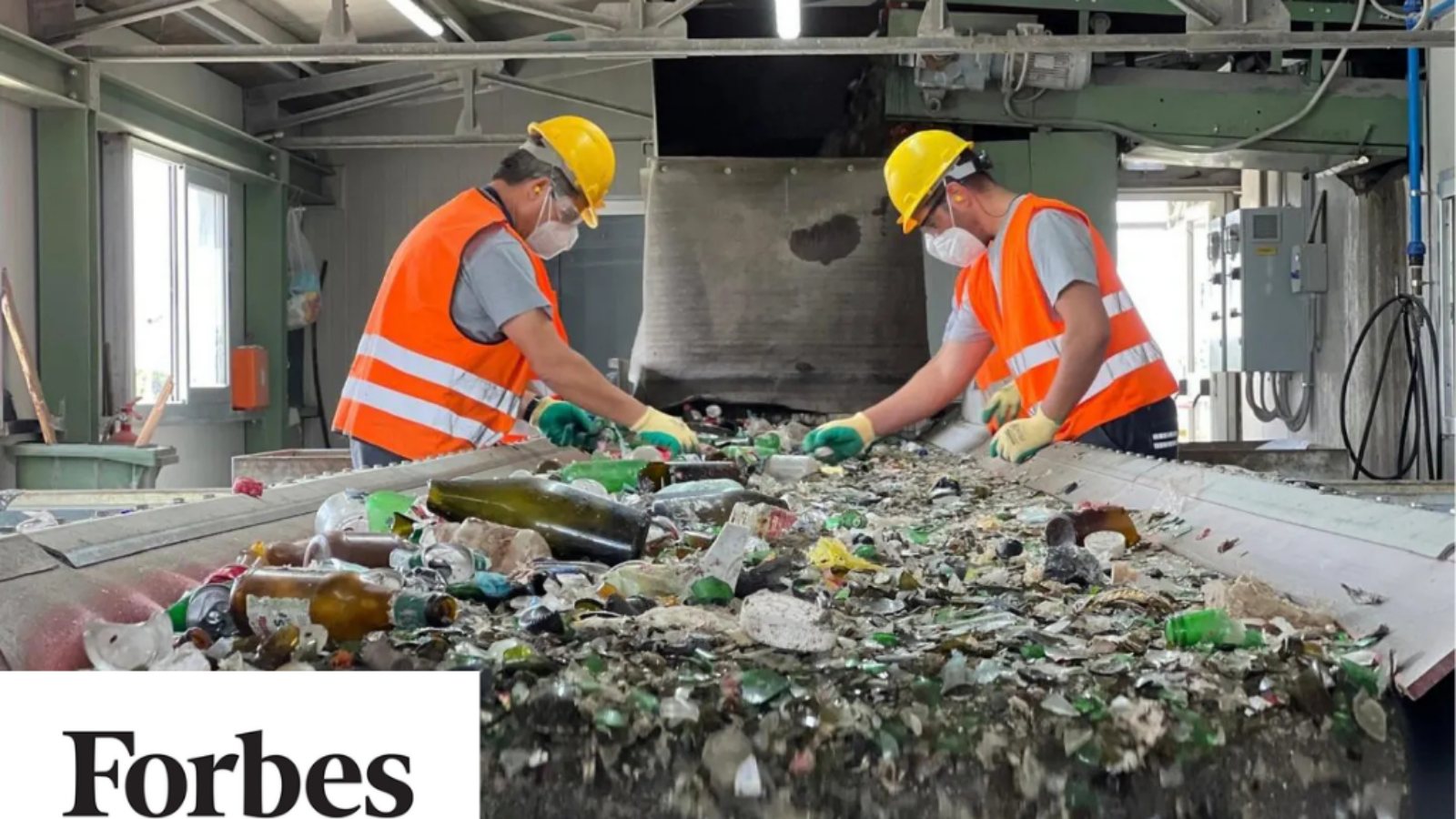
How Sicily Built A Closed-Loop Wine Bottle System That Actually Works

Client News

How Sicily Built A Closed-Loop Wine Bottle System That Actually Works

Publish By : Forbes

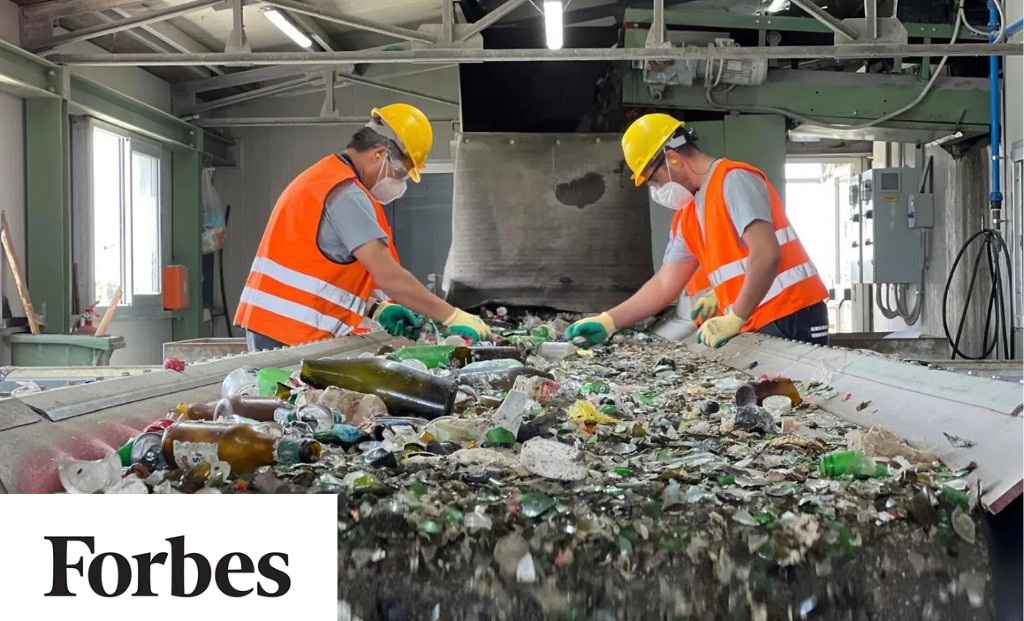
Glass is one of wine’s most entrenched—and least questioned—inputs. Yet it is also one of the industry’s biggest environmental liabilities. Packaging and glass transport alone can account for as much as 74% of a bottle of wine’s total carbon footprint, far outweighing emissions from viticulture or winemaking itself.

Share:
In The News Cover

In the U.S.-Canada Trade War, the Wine and Spirits Industry Is Still Paying the Price

Client News

In the U.S.-Canada Trade War, the Wine and Spirits Industry Is Still Paying the Price

Publish By : SevenFifthyDaily

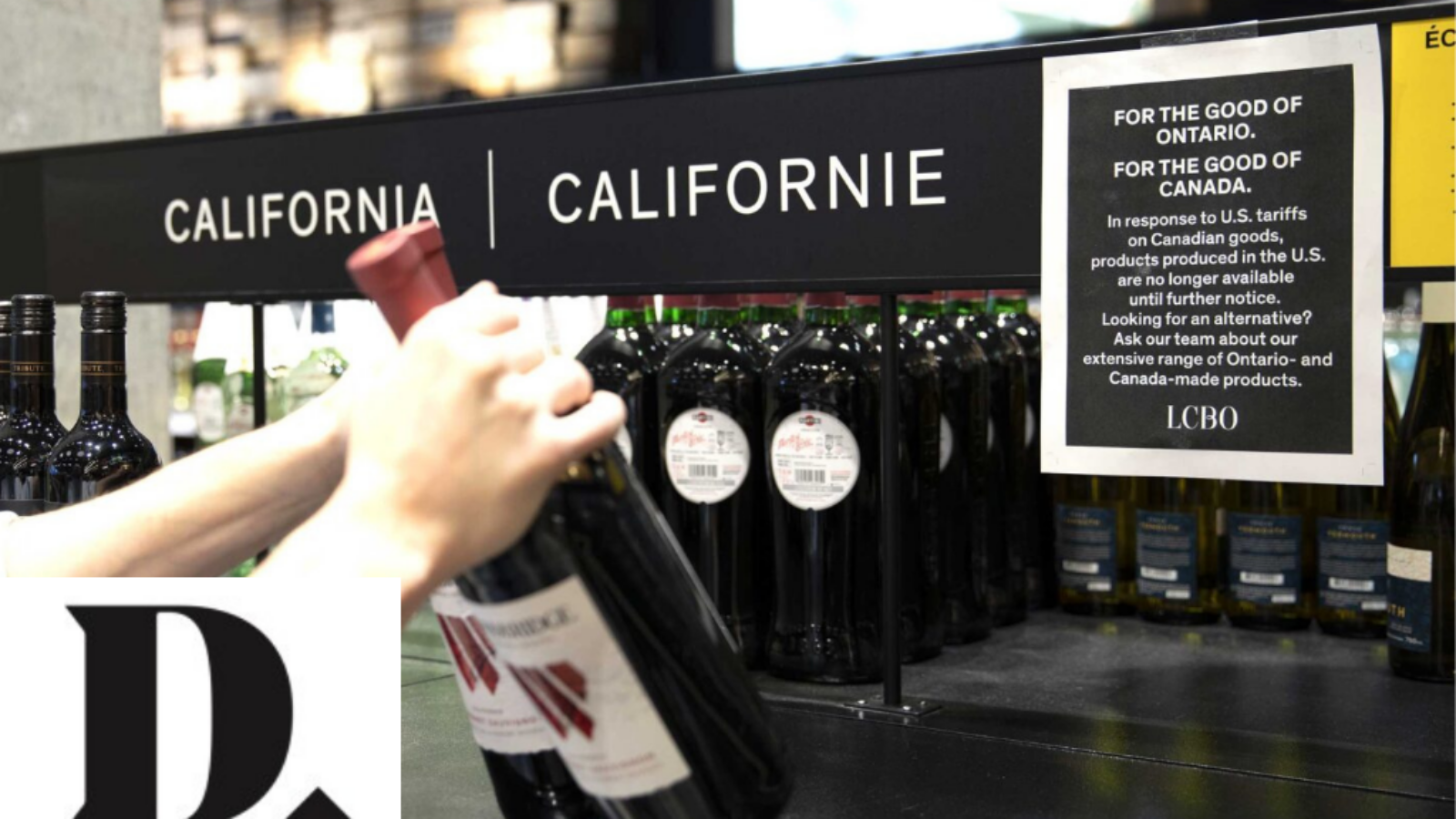
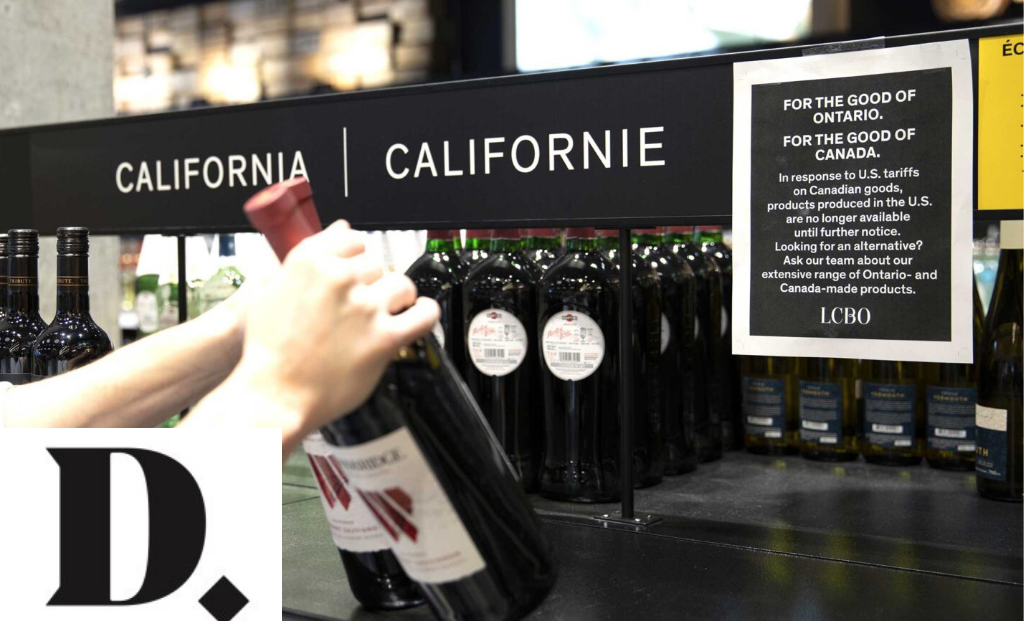
Tariffs and retaliatory boycotts have devastated wine and spirits businesses on both sides of the border. One year later, the industry is still grappling with lost sales, strained relationships, and an uncertain path forward

Share:
In The News Cover copy 2

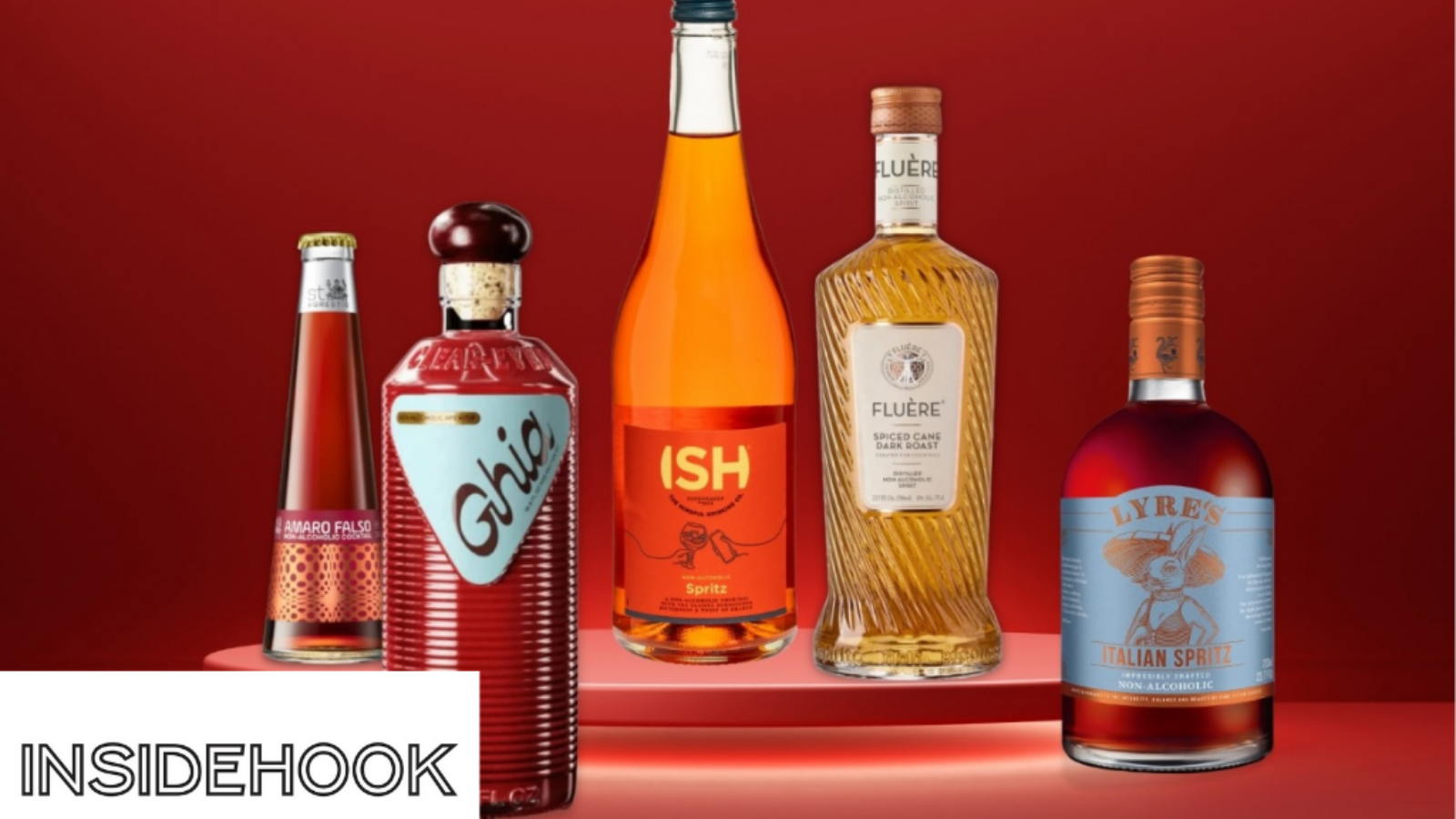
The Best Non-Alcoholic Spirits for Dry January and Beyond

Client News

The Best Non-Alcoholic Spirits for Dry January and Beyond

Publish By : Insidehook

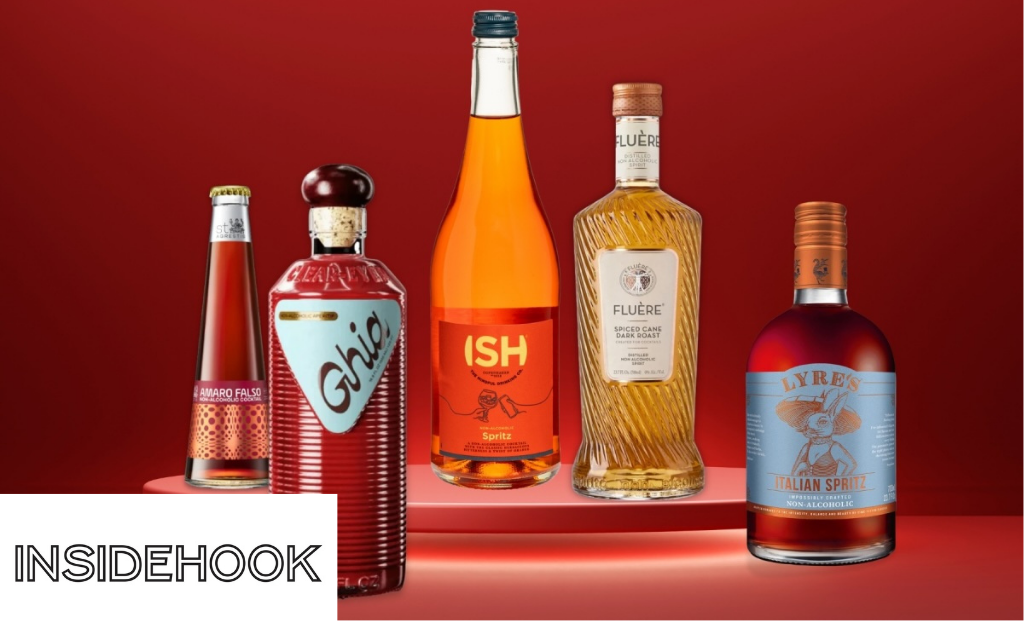
According to NielsenIQ (NIQ), a global consumer intelligence company, the non-alcoholic drinks space is no longer niche — it’s a billion-dollar movement. While certain health and generational trends are spurring some of this growth — credit to Gen-Z alcohol hesitation, GLP-1 medications and increased cannabis use — the industry is no longer relying on teetotalers. As NIQ reports, 92% of non-alcohol buyers also purchase alcohol-containing products.

Share:
In The News Cover copy 3

All of the Best Whiskeys to Drink in 2026

Client News

All of the Best Whiskeys to Drink in 2026

Publish By : Vinepair

Some days it seems like nothing much really matters any more, the industry has peaked and become stale. Other days… it seems like, no, everything actually matters and there’s no better time to be a whiskey fan

Share:
In The News Cover copy

5 Must-Try Drinks From 2025—From Beer To Whiskey

Client News

5 Must-Try Drinks From 2025—From Beer To Whiskey

Publish By : Forbes

This was a weird year for spirits, wine and beer. Despite 2025 giving us plenty of reasons to drink something strong, many opted for non-alcoholic beverages instead. Craft beer sales were down by 5%, according to a mid-year survey conducted by the Brewers Association. Meanwhile, the whiskey market’s struggles have been significant enough that Jim Beam will halt production at its flagship facility for all of 2026. At the same time, tariffs and the threat of tariffs made 2025 a difficult year for many tequila and mezcal producers, despite agave spirits continuing to increase in popularity.

Share:
In The News Cover (1)

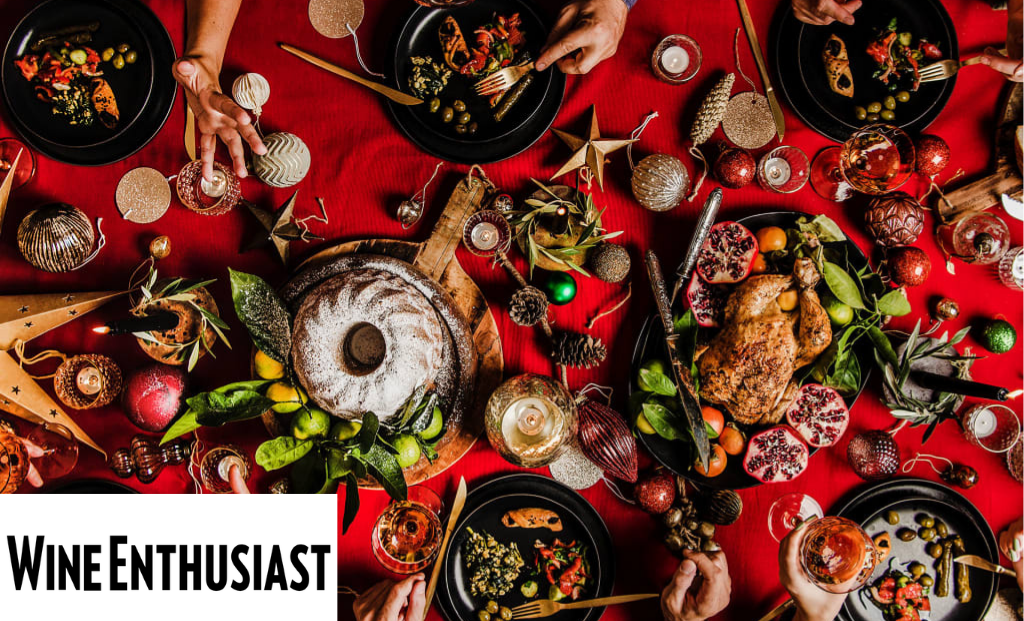
The Top 100 Spirits of 2025

Client News

The Top 100 Spirits of 2025

Publish By : Wine Enthusiast

This special group was culled from hundreds sampled over the past year—thoroughly spread out, of course. Looking back, it’s been quite a journey. Selections range from single-cask bourbons to a cheeky mezcal that uses Chinese five-spice roast duck to make pechuga, a style that typically involves hanging a piece of raw chicken breast in the still during distillation.

Share:
In The News Cover copy

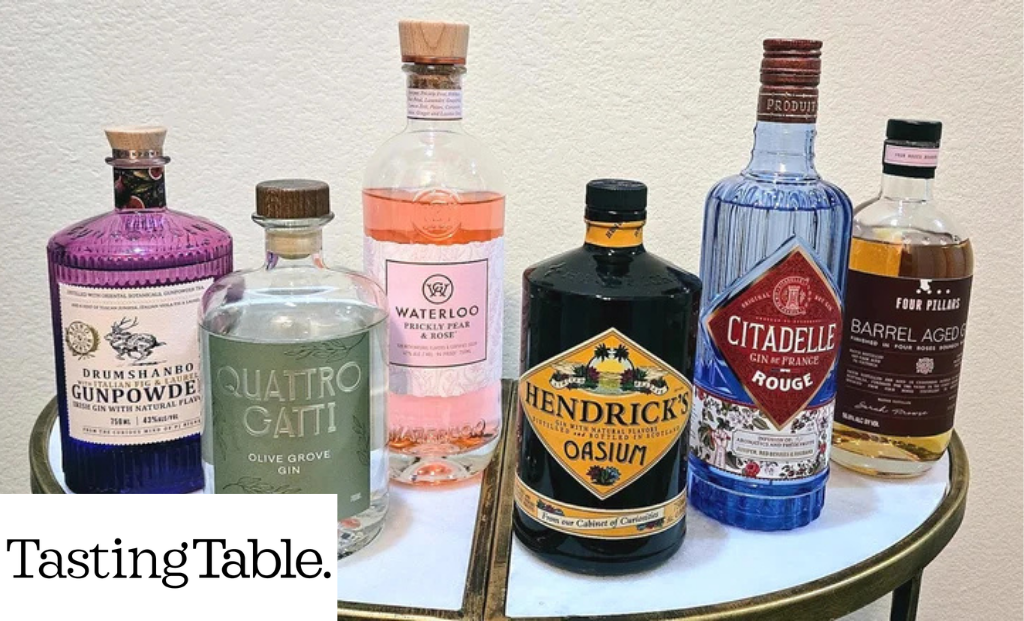
6 Standout Gins From 2025 You Need To Taste (And The Best Way To Drink Them)

Client News

6 Standout Gins From 2025 You Need To Taste (And The Best Way To Drink Them)

Publish By : Tasting Tables

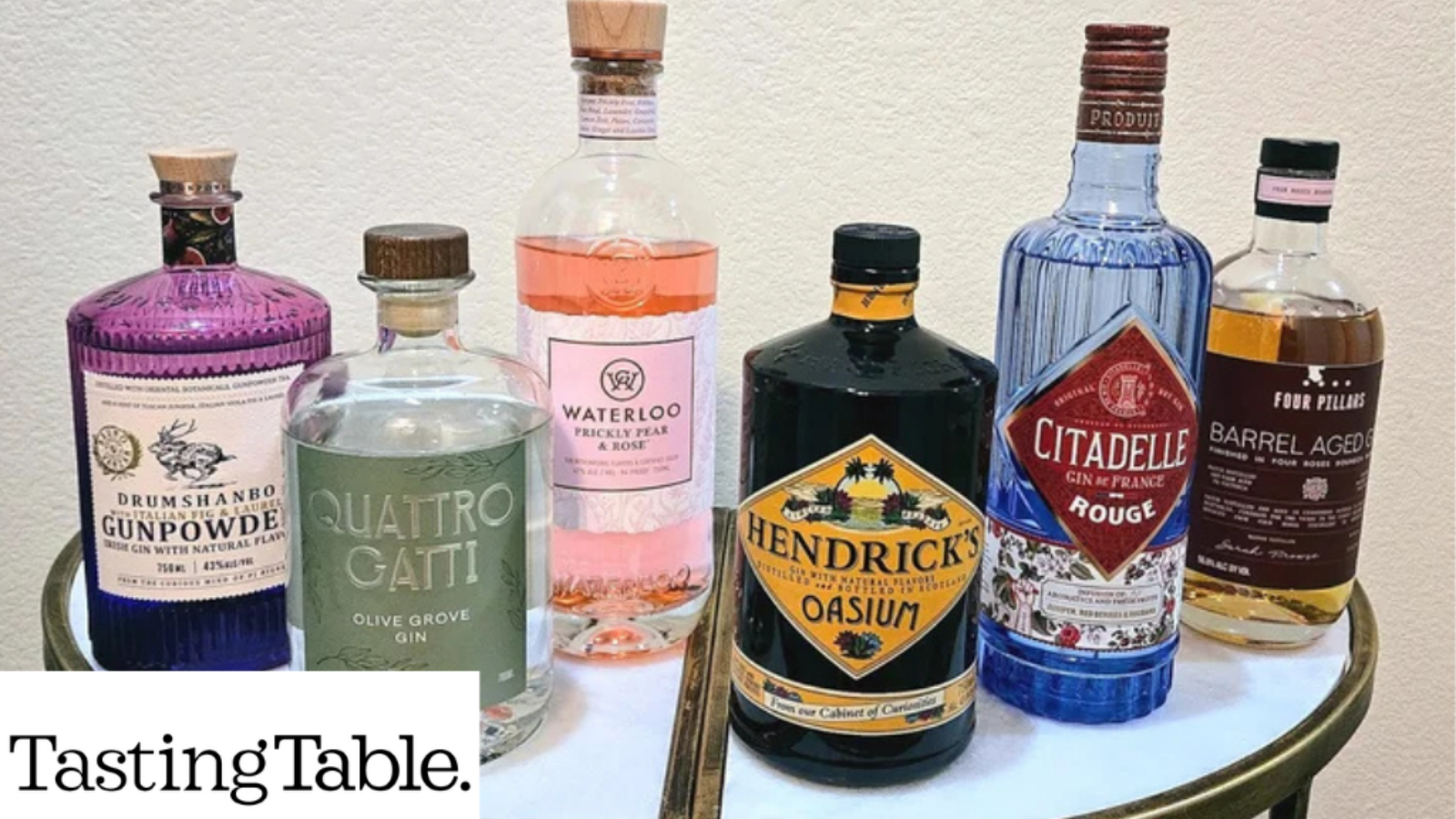
Gin can be a puzzling liquor, with many cocktail enthusiasts having a love-hate relationship with it. Some find it piney and resinous, others find it overly perfumed and cloying. In contrast, others find it tastes like a medicine cabinet. Gin begins like vodka as a neutral grain spirit from wheat, corn, grapes, or anything you can ferment into alcohol. It’s then infused with a mix of botanicals, including the always-present, herbaceous juniper berries, giving it a distinct woodsy, earthy, pine tree quality (in addition to other florals, herbs, spices, teas, and other aromatics).

Share:
In The News Cover

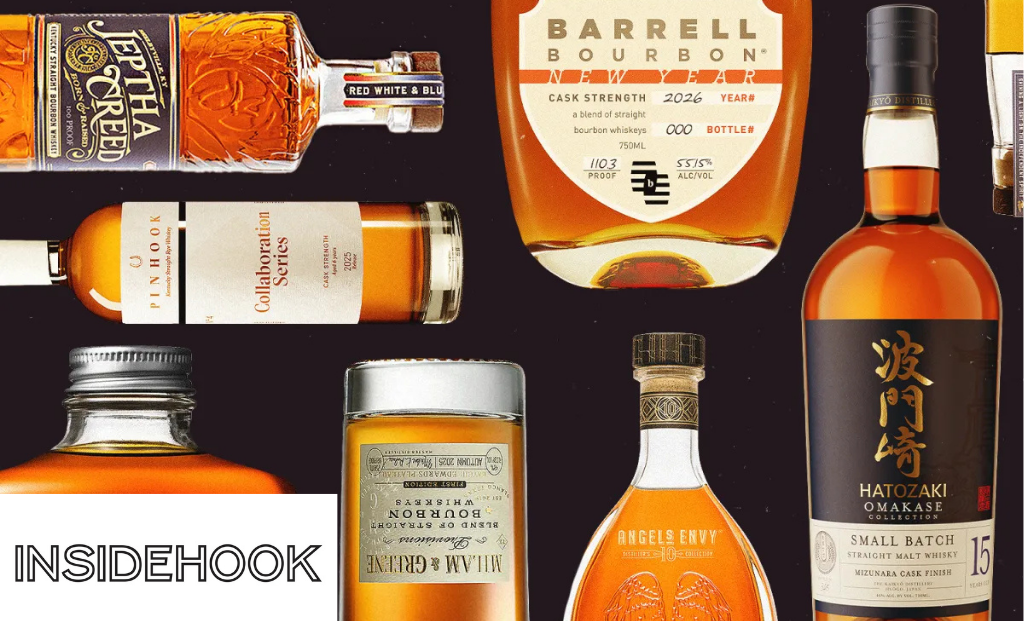
The Best New Whiskeys to Drink This December

Client News

The Best New Whiskeys to Drink This December

Publish By : Insidehook

Featuring a mash bill of estate-grown Bloody Butcher corn, heirloom white corn and heirloom blue corn (with malted rye and malted barley), the fourth edition of Jeptha Creed’s patriotic bourbon offers a unique, slightly nutty take on America’s spirit, with hints of caramel, popcorn, cloves, red berries, nutmeg, cinnamon and baking spices. A portion of the proceeds from Red, White and Blue will be donated to the non-profit organization Paws of War. You can read our interview with the mother-daughter team behind Jeptha Creed here

Share:
blog-rolling-stone

After 10 Grammy Wins, Norah Jones’ Pivot to Wine Is Hitting the Right Notes

Client News

After 10 Grammy Wins, Norah Jones’ Pivot to Wine Is Hitting the Right Notes

Publish By : Wine Enthusiast

With ten Grammy wins and twenty nominations, it’s safe to say that Norah Jones has had a successful career in the music industry. The epitome of a multi-hyphenate artist, Jones has released nine solo albums, made appearances in movies like Wong Kar Wai’s My Blueberry Nights and Seth McFarlane’s Ted, and now hosts her own podcast, “Norah Jones Is Playing Along.” Recently, Jones added another hyphenate to the growing list—she became part-owner of the French winery Maison Wessman, creating a line of wines she calls “This Life.”

Share:
colangelo-blog-1

From the Douro to the Dão, Luisa Amorim Is Shaping the Future of Portuguese Wine

Client News

From the Douro to the Dão, Luisa Amorim Is Shaping the Future of Portuguese Wine

Publish By : Resident

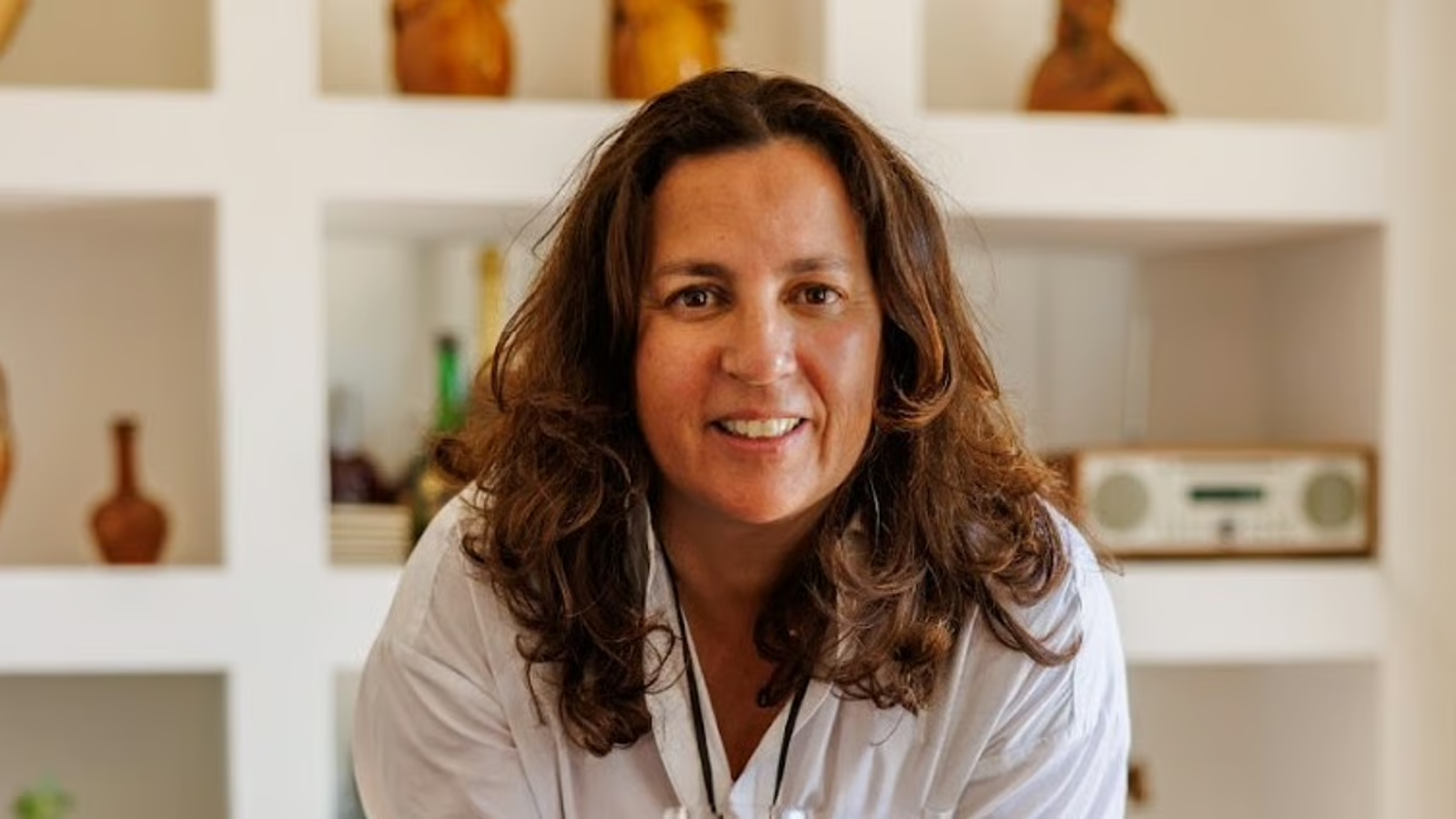
There is a moment, Luisa Amorim says, when you realize that nature’s rhythm always has a vote. She found that moment early, at 26, standing above the terraced schist vineyards of the Douro Valley, watching wooden boats cross a river that had been carrying wine to the world since the 17th century. She was young, she was restless, and she was about to rewrite what Portuguese wine could be.

Share:
colangelo-blog-3

The Supra

Client News

The Supra

Publish By | Wine Spectator

Over the past decade, with more Georgian wine coming to the United States, Georgian restaurants have proliferated across major cities, inviting diners into Georgian culture. For restaurateur and author Rose Previte, Georgian supras are among the greatest culinary experiences she’s ever had. Read on for a primer on Georgian cuisine, including a recipe for lamb chakapuli stew from Maydān: Recipes from Lebanon and Beyond (Abrams Books, 2023), with wine pairings!

Share:
Screenshot-2021-06-29-174658

VP and Junior Partner Juliana Colangelo Named A “Rising Star” by PR News’ Top Women in PR Awards

In The News

VP and Junior Partner Juliana Colangelo Named A “Rising Star” by PR News’ Top Women in PR Awards

Juliana expanded the agency’s clientele from mostly European brands to those based in the United States. She is responsible for managing the team in California, developing new business and supporting West Coast-based events.

Her digital savviness led the agency’s transition to virtual events, helping clients navigate the new landscape, and the push into influencer marketing.

Juliana led the C&P pro bono efforts during COVID-19 by establishing The Supper Share, a non- profit acting to digitally connect sommeliers with clients. Proceeds went directly to the sommeliers, with a small donation made to the United Sommeliers Foundation.

Source: https://www.prnewsonline.com/go/top-women-in-pr-2021/#.YNowV8qZZro.linkedin

Share:
Screenshot-2021-08-18-124401

Our very own Maria Calvert was named in Wine Enthusiast’s 40 Under 40

In The News

Our very own Maria Calvert was named in Wine Enthusiast’s 40 Under 40

Cofounder, Hispanics in Wine, New York City; Owner, Maria Calvert PR Consulting, Washington, D.C.

Proving Representation Matters

Originally from Ecuador, Calvert cofounded Hispanics in Wine, a social platform dedicated to amplifying Hispanic and Latinx contributions to beverage and hospitality businesses, in September 2020. With “representation matters” as its guiding principle, its weekly spotlight series profiles Spanish-speaking industry members and serves as a community hub.

Calvert works on content curation and digital strategy for the platform, in addition to using public relations expertise to work with local and national press to bring Hispanic and Latinx wine and hospitality professionals to the forefront. As a freelance public relations consultant, Calvert works closely with start-ups and established brands from the U.S. and worldwide in several sectors, including food, wine and spirits.

Instagram: @hispanicsinwine@mariarcalvert

Source: https://www.winemag.com/content/40-under-40-2021-maria-calvert

Share:
Press-release

Colangelo & Partners grows with new Miami office, enpanded digital

In The News

Colangelo & Partners grows with new Miami office, enpanded digital

Leading Fine Wine & Spirits Agency in US Continues to Seek Ways to Better Serve Current Clients, Expand into New Business Areas

NEW YORK, NY, September 7, 2022 – Gino Colangelo, President of Colangelo & Partners, announced today the opening of a new office in Miami, adding to the agency’s home base in New York and growing presence in San Francisco. “Because of the city’s growth and the influence of its restaurant scene, Miami is becoming increasingly important to many of our clients,” said Colangelo. “European and South American clients, in particular, increasingly view the Miami market as critical to their US growth strategies.” The Colangelo & Partners Miami office, located at 2980 McFarlane Road in Coconut Grove, opens with a staff of five led by Account Supervisor, Andrew Quinzi.

In addition to geographic expansion, Colangelo & Partners is investing in expanded digital services, specifically in influencer marketing, online media planning, search engine optimization, paid search, email marketing and integrated events. “As customer preferences evolve, so must the platforms and avenues in which they operate,” said Colangelo. “Through this expansion into new offerings, we’re able to meet the consumer, on behalf of our clients, at multiple touch-points in their digital journey while executing 360° communications initiatives.” The digital services growth is being driven by Social Media Account Supervisor, Lisa Vetrone, and Integrated Digital Communications Account Director, Alisha Zaveri.

Though known predominantly for its work in fine wine and spirits, Colangelo & Partners also has years of experience in the food sector. The agency recently hired food marketing industry veteran, Elisabetta Serraiotto, to help increase its food business. Based in Desenzano, Italy (near Lake Garda), Elisabetta has over 25 years of global food marketing experience. “Food and wine are natural complements; in fact, in Italy, people typically don’t consume wine without food,” explained Colangelo. “Refocusing on our food business will energize our team by creating new and exciting opportunities, allow us to provide even better service to our wine clients and create new revenue streams.”

Recent client wins for Colangelo & Partners include: Wines of Georgia, J. Lohr, Govino, Inter- Rhone, and Paul Hobbs in the agency’s wine division; Stoli Premium Brands Portfolio, Old Elk Portfolio of Whiskeys, Portofino Dry Gin and Indri Single Malt Indian Whisky in the spirits division; and the Italian Trade Commission and Kvaroy Salmon in the food division.

About Colangelo & Partners

Colangelo & Partners (www.colangelopr.com) is the leading fine wine and spirits integrated communications agency in the United States, sought after by top brands and industry players for the quality of their results, creativity, and return on investment. The professionals at Colangelo & Partners work with integrity and passion to influence how US audiences perceive their clients: Earning consistent, high-quality positive media coverage; organizing signature events; strategizing and executing standout digital campaigns, and implementing trade programs that strengthen relationships within the industry. Colangelo & Partners’ clientele includes global, instantly-recognizable brands and passionate, up-and-coming vignerons and distillers; regional and national institutions; and technology and e-commerce companies innovating in the beverage alcohol sector.

Share:
portada-colangelo

Wine Opinions and Colangelo & Partners Release Results of Their First, Annual US Wine Industry Survey

In The News

Wine Opinions and Colangelo & Partners Release Results of Their First, Annual US Wine Industry Survey

National Survey from Category-Leading Communications Agency and Renowned Research Company to Help Guide 2023 Marketing Strategies


January 16, 2023, NY, NY — Colangelo & Partners (www.colangelopr.com) and Wine Opinions (www.wineopinions.com) combined resources and expertise for a survey of the U.S. wine trade designed to inform better decision-making for wine companies and wine marketers in 2023.  “By combining our databases and our category experience, we have been able to glean important, statistically significant learnings that will inform our marketing strategies for our clients heading into an uncertain business landscape in 2023,” said Gino Colangelo, president of Colangelo & Partners.  


A Balanced Response and Varied Findings

The survey drew over 1,000 respondents from all 50 states across the three tiers of the U.S. beverage alcohol industry, offering geographic and demographic balance. Nearly 50% of respondents came from New York and California, with Florida, Washington and Colorado being the next most prominent markets. “One of our most interesting findings came from the demographics of the respondents themselves,” explained John Gillespie, Founder and CEO of Wine Opinions. “Of all female respondents, 39% were under the age of 40, while only 26% of male respondents were in that age segment.  This suggests that greater gender balance is coming to the wine industry.”  

The survey touched upon a broad array of topics including price sensitivity going into a potentially recessionary economic environment, predictions for growth of categories such as organic and ‘better for you’ wines, favored social media channels for the business of wine, preferences for in-person vs. virtual events heading into the new year, emerging secondary markets, and predictions for the ‘next big thing’ in terms of wine regions.


Category Trends 

By a margin of two to one, respondents voted Sicily as the next hot wine region followed by Paso Robles and the Douro. Respondents also expect the ‘sweet spot’ for wine retail to see a slight increase in 2023 to $21, (up from $20 in 2022), suggesting no price-sensitivity concern despite the uncertain US economic forecast. 

Looking to the coming 1 – 3 years, survey respondents were optimistic about increasing market share for the “better for you” and “zero alcohol” categories, with 34% expecting “good” or “great” growth for the “better for you” category, and 29% anticipating “good” or “great” growth for “zero alcohol” wines.


Industry Events, Key Markets and Social Media Usage

Another noteworthy nugget was the preference for in-person events vs. virtual events by a 2 to 1 margin.  The survey also suggested that the walk-around tasting isn’t dead. 

Denver and Chicago were highlighted as key focus markets in 2023, followed by Boston, San Francisco, Seattle, Austin and Miami. 

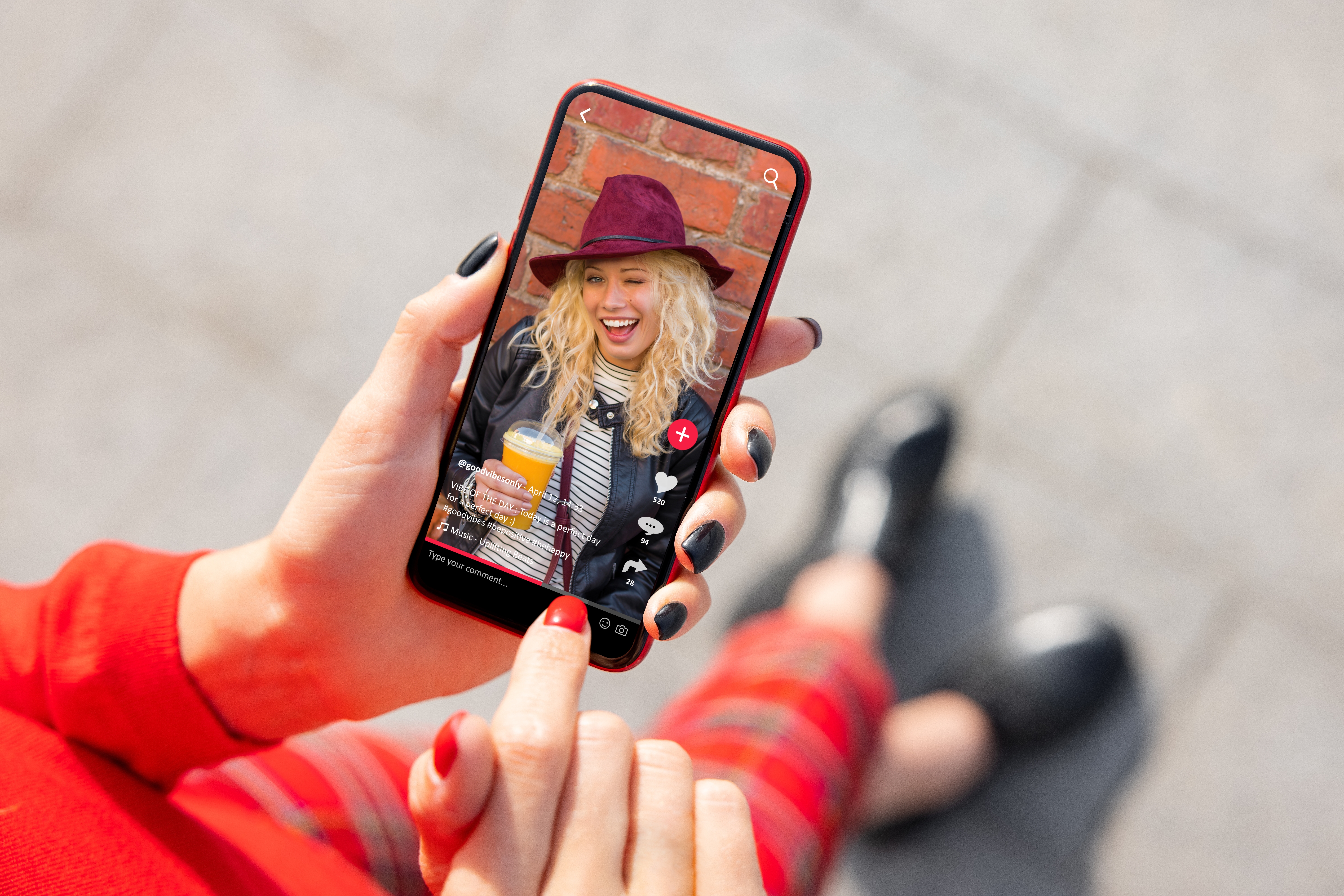
Some of the most interesting findings were about social media usage. While it’s not surprising that Instagram was the preferred social platform for doing wine business, it was a surprise to note that almost half of the respondents reported using TikTok in their work. TikTok-users skewed younger in age with 58% under the age of 40; 6% were 60-plus. Overall, the survey found that social media channels were used for business fairly evenly across the tiers of the trade.

“We learned a lot with this year’s survey,” said Gillespie.  “We plan to make this annual, building upon this year’s learnings to continue to inform wine marketing activities into the future.” 

Please contact Juliana Colangelo at jcolangelo@www.colangelopr.com for more information or to request the data from the survey.


About Colangelo & Partners

Colangelo & Partners (www.colangelopr.com) is the leading fine wine and spirits integrated communications agency in the United States, sought after by top brands and industry players for the quality of their results, creativity, and return on investment. The professionals at Colangelo & Partners work with integrity and passion to influence how US audiences perceive their clients: Earning consistent, high-quality positive media coverage; organizing signature events; strategizing and executing standout digital campaigns, and implementing trade programs that strengthen relationships within the industry. Colangelo & Partners’ clientele includes global, instantly-recognizable brands and passionate, up-and-coming vignerons and distillers; regional and national institutions; and technology and e-commerce companies innovating in the beverage alcohol sector

 About Wine Opinions

Wine Opinions is a U.S. wine industry research provider, offering both trade and consumer insights. Wine Opinions maintains the only national trade and wine consumer research panels in the industry, and performs both quantitative and qualitative research.


Share:
portada-colangelo

Wine Opinions and Colangelo & Partners Release Results Of Consumer Survey on U.S. Wine Market Trends and Challenges

In The News

Wine Opinions and Colangelo & Partners Release Results Of Consumer Survey on U.S. Wine Market Trends and Challenges

Second Annual Survey from Category-Leading Communications Agency and Renowned Wine Research Company Focuses on Consumer Attitudes toward Wine and Health

NEW YORK, Jan. 30, 2024 /PRNewswire-PRWeb/ — Colangelo & Partners and Wine Opinions conducted their second annual wine survey, this year focusing on U.S. wine drinker attitudes, behaviors, and trends related to beverage alcohol consumption and health. “There are several challenges for the wine industry heading into 2024,” said Gino Colangelo, president of Colangelo & Partners. “Personally, I think the biggest threat is the growing Neo-Prohibitionist movement and its potential to affect the U.S.D.A. Dietary Guidelines for adult consumption of beverage alcohol, which are due to be reviewed in 2025.” There’s speculation that the current guidelines — 2 drinks per day for men and 1 drink per day for women — may be revised to 2 drinks per week for all adults, following the recent change in Canada. “Related consumption trends such as ‘Dry January’ and ‘Sober October’ also impact consumer behavior,” continued Colangelo. “The research with Wine Opinions provides our clients and the wine industry with data-driven insights that will help adapt business strategies during this pivotal time.”

An In-Depth Analysis of Various Behaviors and Opinions Among Wine Consumers

The study was conducted in December 2023 and surveyed 2,013 U.S. adults from the Colangelo & Partners and Wine Opinions consumer databases, who drink wine on average 2 to 3 times per month or more often. In the sample there were 762 respondents in the ages 21-39 segment, 631 in the ages 40 – 59 segment, and 620 in the ages 60-plus segment. Respondents in the 21-39 group skewed somewhat to males, while those in the ages 40-59 segment skewed somewhat to females. There was a significant male skew to the ages 60-plus segment, which is consistent with past research that has pointed to the higher degree of “involvement” with wine of males in that age segment.

The survey set out to measure, among other things, current wine consumer trends and the attitudes and behaviors among U.S. wine drinkers regarding alcohol consumption and health. This included respondent opinions on the positive or negative effects of wine drinking on their overall health and sense of well-being, and level of beverage alcohol consumption respondents consider to be concerning. The report also aimed to project likely wine consumer responses to the potential “2 drinks per week” dietary guideline for U.S. adults, and determine the level of participation in “Dry January” and/or “Sober October.”

Younger Generation More Likely to Adhere to Reduced Alcohol Consumption Guidelines

A topic of great concern to the wine industry is the level of wine consumption U.S. wine drinkers believe poses a risk to their health. “The study findings on this topic were quite noteworthy, with younger respondents indicating they considered health risks to be possible at very low levels of consumption,” said John Gillespie, Founder and CEO of Wine Opinions. “In the 21-39 age segment, 58% of respondents viewed 2 glasses daily or less as a potential health risk. Additionally, one in four respondents – mostly those in ages 21-39 and occasional wine drinkers – indicated that a health concern over their wine consumption level would begin at one glass of wine daily, or less.”

To project wine consumer responses to the proposed beverage alcohol consumption guideline, the survey asked participants to select which option they agreed with from a list of statements. The most concerning finding was that two-thirds of wine drinkers in the ages 21-39 segment would either reduce their current consumption frequency of wine or adopt the new guideline.

The older cohort showed a different response to the proposed beverage alcohol consumption guideline. Overall, in the older age segments, frequent wine drinkers were considerably more likely to indicate they would not change their current wine-drinking habits based on a proposed guideline. Among those in the ages 40-59 segment, nearly half of respondents (46%) indicated they would not change their current consumption levels. Similarly, almost half (48%) of respondents in the ages 60-plus segment indicated that their drinking habits would not change based on a new guideline.

These results suggest that the younger demographic of U.S. wine drinkers is more likely to be concerned about and susceptible to negative messaging regarding alcohol consumption. The possible revision of the U.S. Dietary Guidelines for adult consumption of beverage alcohol poses a real problem to the U.S. wine industry, whose greatest potential lies in the younger generation.

Wine Considered a Valued Social and Cultural Product

Among the more positive findings of the study were respondent’s opinions on the benefits of wine. The survey captured many insights into wine drinkers’ beliefs about wine by measuring respondents’ level of agreement with different wine attribute statements.

Wine was strongly viewed as an enhancement to social situations or gatherings by just less than half of survey respondents, while one-third strongly agree that wine can be part of a healthy diet. These are important takeaways, as they suggest that U.S. wine consumers see a potential for a healthy and enriched lifestyle that includes wine.

On the topic of wine as part of everyday life, culture, and traditions, two-thirds of the sample expressed agreement that wine and food complement each other, and half indicated that wine has historically been a part of nearly every culture. This is a valuable insight, as the industry commonly promotes wine as an integral part of life and society.

Participation in Sober Holidays on the Rise Among Younger Wine Consumers

In recent years, promotions such as “Dry January” and “Sober October” have seen increased interest among U.S. beverage alcohol drinkers. To determine how the trend is affecting U.S. wine consumers, the survey polled respondents on their participation in the events in 2023, and intentions to participate in 2024.

The reported participation in “Dry January” or “Sober October” in 2023 was highest among respondents in the ages 21-39 segment, with over half of the cohort reporting participation by cutting back their wine consumption in those months or abstaining from wine altogether. Nearly two-thirds of the same age group indicated they intend to participate in one or both of these events in 2024. Similarly, the Wine Market Council NielsenIQ Gen Z study showed that 45% of Gen Z respondents aged 21 and older reported they never consume alcohol.

Wine Consumption and Risk-Reward Decision Making

As the wine industry combats negative messaging on the topic of wine consumption and health, a crucial measure of the study was that of wine consumers’ participation in other “health risk” behaviors. To gather this data, the survey asked respondents to check from a list any of health risk activities or behaviors they engaged in at least occasionally.

The results showed survey respondents checking a wide range of risk behaviors. Nearly half of respondents indicated they at least occasionally ‘eat at fast-food outlets,’ and one-third at least occasionally engage in summertime activities without using sunscreen, or ride their bicycles on city streets. These and a variety of other behaviors that may pose health risks are quite common, and may provide context for the discussion of moderate wine consumption.

“The assertion that there is no safe level of alcohol consumption doesn’t take into account that adult Americans make educated risk-reward decisions every day, wine consumption included,” said Gino Colangelo. “These research findings demonstrate how U.S. wine consumers are self-aware and knowledgeable, possessing the ability to make choices that they believe will lead to a balanced and fulfilling life.”

Please contact Leah Isenberg at lisenberg@www.colangelopr.com for more information or to request the data from the survey.

Source: https://www.prweb.com/releases/wine-opinions-and-colangelo–partners-release-results-of-consumer-survey-on-us-wine-market-trends-and-challenges-302047746.html

Share:
portada-colangelo

Colangelo & Partners Acquires Majority Position in Wineglass Marketing

In The News

Colangelo & Partners Acquires Majority Position in Wineglass Marketing

Acquisition Creates the Leading Full-Service Wine & Spirits Agency in the U.S., with Offices in New York, San Francisco, Miami, Austin and now, the Heart of Downtown Napa

Colangelo & Partners (www.colangelopr.com), the leading wine and spirits-focused communications agency in the U.S., today announces the acquisition of a majority stake in the business of WineGlass Marketing (https://www.wineglassmarketing.com/), a wine and spirits-focused digital marketing agency. WineGlass Marketing is renowned for combining strategic planning and creativity in direct response and advertising campaigns, web development and email marketing for the U.S. wine and spirits industry. 

“This investment expands our service offering for the wine and spirits community in critical digital marketing areas and gives our agency a physical presence in the heart of wine country,” said Gino Colangelo, president of Colangelo & Partners. “We’ve grown our agency organically from a team of five to 75 over the past 18 years. WineGlass Marketing represents our first expansion through an acquisition and I’m happy to say they’ve been worth the wait!”

An advertising industry veteran with extensive strategic planning experience, Susan DeMatei founded WineGlass Marketing in 2011 after witnessing wineries struggle with their digital and DTC marketing. “This partnership frees me and my team from the operational hurdles facing a boutique agency. It provides us the opportunity to focus all of our energy and passion on creative and strategic campaigns to help our clients achieve sales and branding success in a very challenging business environment,” said Susan. “We’re thrilled to be working with Gino and his very talented and experienced team.”

WineGlass Marketing will continue to operate as a separate business entity under the management of DeMatei, drawing on the PR, trade and branding resources of Colangelo & Partners to augment their own digital marketing and advertising talents. Existing clients will experience no changes other than the additional resources now available to them. At the same time, Colangelo & Partners will now be able to access the vast experience of Susan and the WineGlass Marketing team’s digital communications expertise. 

Felipe Gonzalez-Gordon, partner and COO of Colangelo & Partners, commented on the acquisition: “Integrating WineGlass Marketing’s suite of services allows us to offer a comprehensive marketing package to the beverage alcohol industry with communications programs that improve business results in the short and the long term. For example, brands that are finding a difficult fit in the traditional three tier distribution model need scalable marketing programs with tangible ROI; our combined service offering can help deliver that.”

Share:
portada-colangelo

Colangelo & Partners Strengthens West Coast Footprint with San Francisco Office Acquisition

In The News

Colangelo & Partners Strengthens West Coast Footprint with San Francisco Office Acquisition

Leading Wine & Spirits Communications Agency Invests in San Francisco Office, Reinforcing Commitment to the West Coast Market

NEW YORK, Feb. 20, 2024 /PRNewswire-PRWeb/ — Colangelo & Partners announces the opening of its new office space in San Francisco, strengthening the firm’s commitment to the West Coast. While C&P has maintained a significant presence in the California market for the past 8 years by operating in coworking spaces, the San Francisco office acquisition represents the agency’s first physical establishment in California. This strategic growth underscores the agency’s dedication to enhancing client service within the dynamic and lively West Coast market.

Located at 245 5th Street, the San Francisco office will serve as a hub for Colangelo & Partners to collaborate more closely with its clients, as well as industry influencers and stakeholders in the region. The decision to solidify C&P’s presence in San Francisco comes as a natural progression, aligning seamlessly with the city’s pivotal role as a global center for innovation, entrepreneurship, and wine country excellence.

“We’re excited to increase our investment in San Francisco and further our engagement with the thriving wine and spirits community on the West Coast,” said Gino Colangelo, president of Colangelo & Partners. “This underscores our ongoing commitment to providing exceptional service and expertise to our clients in a region known for its dynamic and diverse wine landscape.”

Since its inception in 2006, Colangelo & Partners has established itself as a trusted partner for clients across the food and beverage industry with a reputation for innovative and results-driven strategies. In addition to wine and spirits, the agency specializes in culinary and hospitality brands, as well as lifestyle brands. The establishment of Colangelo & Partners in San Francisco will give the firm even greater opportunities to deliver tailored, impactful campaigns that will resonate with both national and regional audiences.

Heading the San Francisco office is C&P’s West Coast Director, Michelle Erland, supported by a team of seasoned wine PR professionals with a proven track record in media relations, digital marketing, events, and brand strategy. “Opening our own office space in California signifies a significant milestone for our agency. With our roots now firmly planted in San Francisco, we’re excited about expanding our engagement within the wine, spirits, and food sector. Leveraging our expertise, we’re committed to continuing to deliver exceptional service and tailored strategies to clients up and down the West Coast” said Michelle Erland, Director at Colangelo & Partners. Colangelo & Partners is well-positioned to continue to bring its unique blend of creativity, PR expertise, and industry knowledge to the West Coast markets. A full list of Colangelo & Partners clients can be found here.

Source: https://www.prweb.com/releases/colangelo–partners-strengthens-west-coast-footprint-with-san-francisco-office-acquisition-302065624.html

Share:
Carlos-de-Jesus-headshot-scaled

Industry Veteran Carlos de Jesus Joins Colangelo & Partners as Equity Partner, President of Colangelo & Partners Europe.

In The News

Industry Veteran Carlos de Jesus Joins Colangelo & Partners as Equity Partner, President of Colangelo & Partners Europe.

Former Head of Marketing & Communications at Amorim Cork Adds Invaluable Industry Experience and Relationships to Leading Fine Wine and Spirits PR Agency

NEW YORK, July 8, 2024 /PRNewswire-PRWeb/ — New York-based Colangelo & Partners announces that wine and spirits industry veteran, Carlos de Jesus, former head of marketing & communications for cork industry leader, Amorim, has joined the agency as partner and president of the newly created Colangelo & Partners Europe representative office, as well as executive vice president of Colangelo & Partners, effective immediately. “Carlos adds industry knowledge, global PR expertise and a wealth of wine and spirits press and executive contacts to our agency,” states Gino Colangelo, president, Colangelo & Partners. “These are challenging and dynamic times for the wine and spirits business. Adding new resources to help better serve our global and domestic clients as well as our team is critical to the continued growth and success of both our clients and our agency.”

Current agency partners include founders Gino Colangelo and Michael Colangelo (CFO), and COO Felipe Gonzalez-Gordon of the Gonzalez-Byass family. “When Felipe joined four years ago, he brought valuable trade expertise in terms of route-to-market consultation, product development and value chain knowledge,” explains Gino Colangelo. “Now, with the deep PR background and communications expertise that Carlos brings, we’re strengthening our agency management and value offering even more.”

For the past 20+ years, Carlos de Jesus led the Marketing & Communications department at global leader, Amorim Cork. With subsidiaries throughout the world, Amorim produces approximately six billion closures annually, which are sold to many thousands of clients, including the largest and most prestigious international brands of wine and spirits. Before joining Amorim, Carlos was a Partner at Breakstone & Ruth LLP, the New York-based leader in the international investor and shareholder relations market. In this specialized consultancy, he worked with blue-chip multinationals to coordinate the presence of these clients on the NYSE and NASDAQ.

“European wines and spirits are a big part of the firm’s portfolio and complement our domestic clients,” explains Carlos de Jesus. “Unlike many other wine and spirits PR agencies, Colangelo & Partners has a powerful domestic as well as an international team that speaks the languages of our European clients, literally and figuratively, and understands the unique wine and business cultures of each of the many countries where we have clients. It’s thrilling to be able to join such a robust team and strengthen even further the firm’s commitment to our local clients by having a partner from our firm based in Europe.”

The addition of Carlos to the executive team allows Colangelo & Partners to further bolster agency management, expand client services, and build the agency’s presence in the industry, both domestically and internationally. For more information on Colangelo & Partners and the agency’s integrated communications offerings, visit https://www.colangelopr.com.

Source: https://www.prweb.com/releases/industry-veteran-carlos-de-jesus-joins-colangelo–partners-as-equity-partner-president-of-colangelo–partners-europe-302189199.html

Share:
Campaign_Image_Friends_Toast-1-1536x1024

Come Over October: Creating a Positive Narrative About Wine

In The News

Come Over October: Creating a Positive Narrative About Wine

Nomination in Recognition of Wine Advocacy Campaign that has Galvanized the Wine Community and is Reaching Wine Drinkers with Positive Messages about Wine
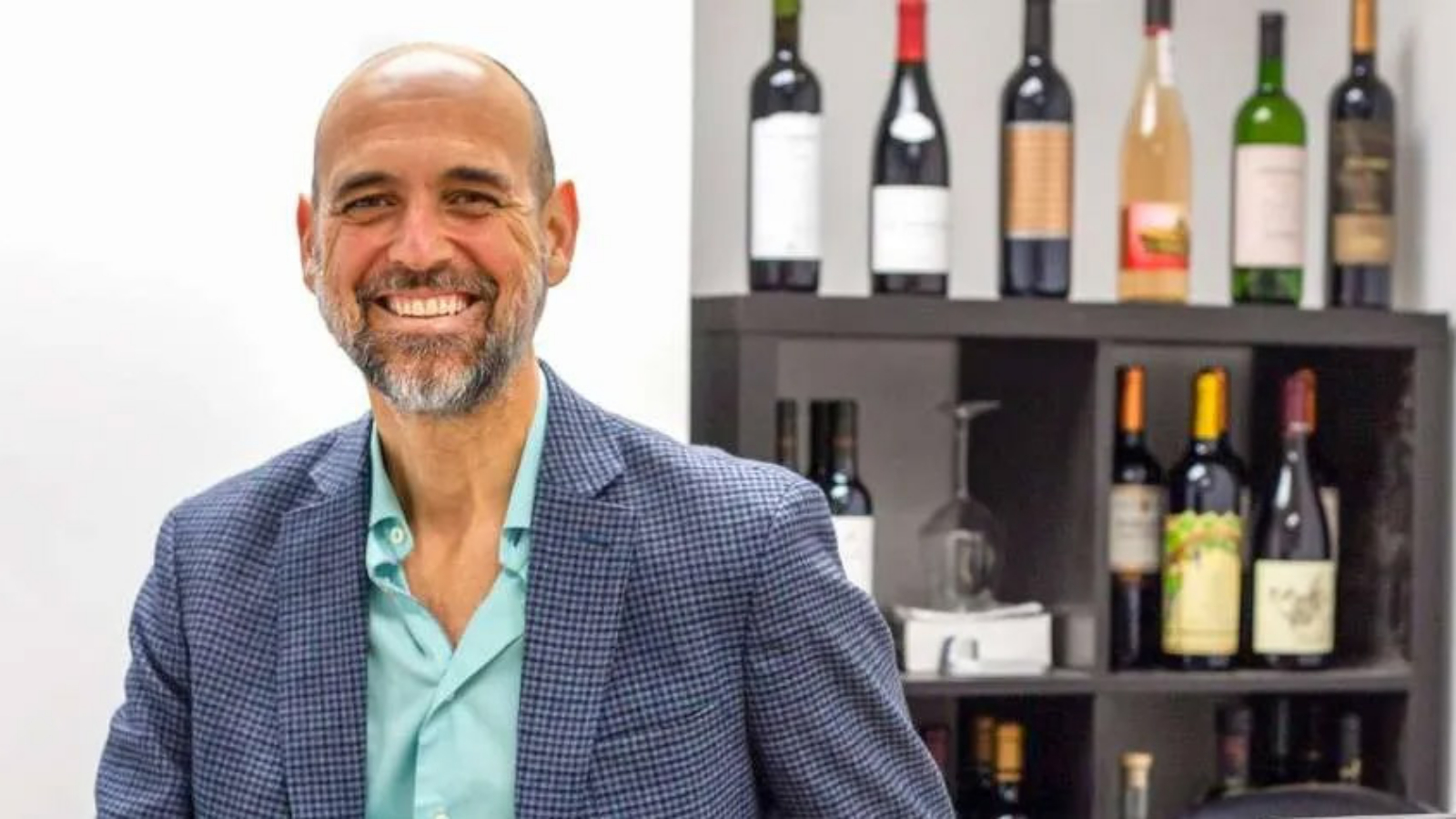
Today, Wine Enthusiast announced nominees for the 2025 Wine Star Awards. Among industry luminaries vying for the prestigious awards, the founders of the “Come Over October” wine advocacy campaign – Karen MacNeil, Kimberly Noelle Charles and Gino Colangelo – were collectively nominated for “Person of the Year.” This category nominee is defined as ‘an individual who has made significant and remarkable contributions to the advancement of the wine, spirits and beverage industry through their leadership and vision.’ Karen, Kimberly and Gino, three wine communication professionals who took it upon themselves to advocate for the entire wine community in the face of unprecedented headwinds, are thus strong candidates for this honor.

Jacki Strum, President & Publisher at Wine Enthusiast Media, explained the reason for the nomination of the Come Over October team and why Wine Enthusiast has been among the campaign’s earliest and largest supporters.  “The Wine Star Awards are the industry standard for achievement and distinction in the wine industry.  Karen, Kimberly and Gino certainly fit that definition based on their wine advocacy work,” said Jacki.  “When we first heard about the Come Over October campaign, we realized its potential because of the clarity and simplicity of the message: Wine brings people together.  We also understood the need for a campaign to introduce more Americans to wine culture, which is the mission of Come Over October.”  

TIME Magazine called Karen MacNeil, “America’s Missionary of the Vine” and Karen has been named one of the “100 Most Influential People in Wine in the United States.” She is the author of the award-winning book, THE WINE BIBLE, which has sold more than a million copies.  “This nomination has touched our hearts,” said Karen MacNeil. “Come Over October started as a tiny spark of an idea born of three people’s passion for wine. That spark has gone on to ignite the entire wine industry. Come Over October reminds us why we all love wine—because it reminds us of what matters: friendship, generosity, authenticity, and human connection.”

Kimberly Noelle Charles’ name is synonymous with wine marketing at its best level. Over her 40-year career she and her team have, through her creative marketing strategies, versatility and natural story-telling gifts, helped brands attain a level of distinction and draw in the marketplace. Charles stated, “We are truly honored by this recognition. With our collective experience in the wine world, we’ve seen challenging times before, but we remain firm in our belief that wine is the world’s most civilized, communal, and memory-making beverage. We all have very busy day jobs, but have given this campaign, in its second year, our best creativity and energy. It has resonated well beyond U.S. borders, going from a campaign to a movement.”

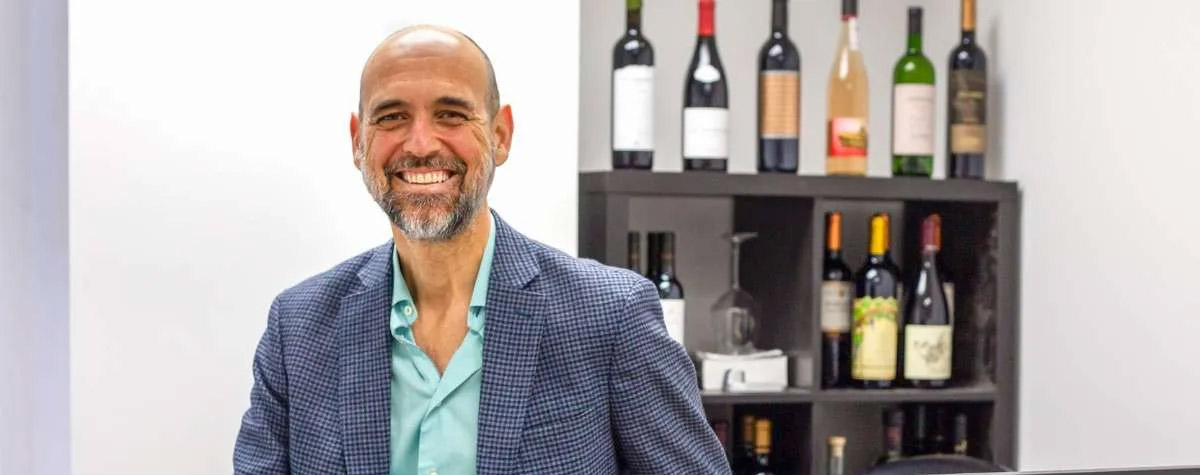
Founder of industry-leading wine and spirits communications agency, Colangelo & Partners, Gino also has many years of experience in retail, giving him unique insights into consumer behavior that impact the work his agency does on behalf of their domestic and global clientele. He commented, “Together with Karen and Kimberly, we want to thank the Strum family who were among our very first supporters and helped us believe in the viability of our campaign in the earliest days when we needed the support most.”  Gino continued, “Going back more than two years, it became clear to me that wine was under attack and needed advocacy.  After exploring various avenues for supporting the wine community, I was fortunate to partner with Karen and Kimberly on the creation of the Come Over October campaign, which has captured the imagination of the wine community as well as wine drinkers across the US.”

“The beauty and strength of Come Over October lies in the simplicity of the message: Wine brings people together,” added Adam Strum, Founder and Chairman of Wine Enthusiast Companies. “I think it’s remarkable that three individuals, working purely as a mission-driven project of passion, have been able to coalesce an industry and make such an impact in a relatively short amount of time. Wine Enthusiast is proud to be among the first supporters of this powerful campaign.”

Share:
COO_WineEnthusiast_WineStarAwards-1060w

Founders of Come Over October Campaign Nominated for Prestigious Wine Enthusiast “Person of the Year” Wine Star Award
In The News

Founders of Come Over October Campaign Nominated for Prestigious Wine Enthusiast “Person of the Year” Wine Star Award
Nomination in Recognition of Wine Advocacy Campaign that has Galvanized the Wine Community and is Reaching Wine Drinkers with Positive Messages about Wine
Today, Wine Enthusiast announced nominees for the 2025 Wine Star Awards. Among industry luminaries vying for the prestigious awards, the founders of the “Come Over October” wine advocacy campaign – Karen MacNeil, Kimberly Noelle Charles and Gino Colangelo – were collectively nominated for “Person of the Year.” This category nominee is defined as ‘an individual who has made significant and remarkable contributions to the advancement of the wine, spirits and beverage industry through their leadership and vision.’ Karen, Kimberly and Gino, three wine communication professionals who took it upon themselves to advocate for the entire wine community in the face of unprecedented headwinds, are thus strong candidates for this honor.
Jacki Strum, President & Publisher at Wine Enthusiast Media, explained the reason for the nomination of the Come Over October team and why Wine Enthusiast has been among the campaign’s earliest and largest supporters.  “The Wine Star Awards are the industry standard for achievement and distinction in the wine industry.  Karen, Kimberly and Gino certainly fit that definition based on their wine advocacy work,” said Jacki.  “When we first heard about the Come Over October campaign, we realized its potential because of the clarity and simplicity of the message: Wine brings people together.  We also understood the need for a campaign to introduce more Americans to wine culture, which is the mission of Come Over October.”  
TIME Magazine called Karen MacNeil, “America’s Missionary of the Vine” and Karen has been named one of the “100 Most Influential People in Wine in the United States.” She is the author of the award-winning book, THE WINE BIBLE, which has sold more than a million copies.  “This nomination has touched our hearts,” said Karen MacNeil. “Come Over October started as a tiny spark of an idea born of three people’s passion for wine. That spark has gone on to ignite the entire wine industry. Come Over October reminds us why we all love wine—because it reminds us of what matters: friendship, generosity, authenticity, and human connection.”

Kimberly Noelle Charles’ name is synonymous with wine marketing at its best level. Over her 40-year career she and her team have, through her creative marketing strategies, versatility and natural story-telling gifts, helped brands attain a level of distinction and draw in the marketplace. Charles stated, “We are truly honored by this recognition. With our collective experience in the wine world, we’ve seen challenging times before, but we remain firm in our belief that wine is the world’s most civilized, communal, and memory-making beverage. We all have very busy day jobs, but have given this campaign, in its second year, our best creativity and energy. It has resonated well beyond U.S. borders, going from a campaign to a movement.”

Founder of industry-leading wine and spirits communications agency, Colangelo & Partners, Gino also has many years of experience in retail, giving him unique insights into consumer behavior that impact the work his agency does on behalf of their domestic and global clientele. He commented, “Together with Karen and Kimberly, we want to thank the Strum family who were among our very first supporters and helped us believe in the viability of our campaign in the earliest days when we needed the support most.”  Gino continued, “Going back more than two years, it became clear to me that wine was under attack and needed advocacy.  After exploring various avenues for supporting the wine community, I was fortunate to partner with Karen and Kimberly on the creation of the Come Over October campaign, which has captured the imagination of the wine community as well as wine drinkers across the US.”


“The beauty and strength of Come Over October lies in the simplicity of the message: Wine brings people together,” added Adam Strum, Founder and Chairman of Wine Enthusiast Companies. “I think it’s remarkable that three individuals, working purely as a mission-driven project of passion, have been able to coalesce an industry and make such an impact in a relatively short amount of time. Wine Enthusiast is proud to be among the first supporters of this powerful campaign.”

Share:
Adapting-to-shifting-tides-Felipe-Gonzalez-Gordon-of-Colangelo-and-Partners-on-the-future-of-wine-in-the-U.S.-Market-2

Adapting to shifting tides: Felipe Gonzalez-Gordon of Colangelo & Partners on the future of wine in the U.S. Market

In The News

Adapting to shifting tides: Felipe Gonzalez-Gordon of Colangelo & Partners on the future of wine in the U.S. Market

The C.O.O. of the U.S. agency shares insights on challenges, opportunities, and strategic communication in a rapidly evolving industry.

At a time when the global wine sector is under pressure from declining consumption, shifting consumer demographics, and fierce competition from alternative beverages, the U.S. remains both a demanding and indispensable market. Exchange rates favor European exporters, yet producers must contend with disruptive forces ranging from RTDs and non-alcoholic offerings to changing on-premise dynamics. Against this backdrop, we spoke with Felipe Gonzalez-Gordon, Chief Operating Officer at  Colangelo & Partners, US-based integrated communications and public relations agency, to discuss how wineries can navigate these headwinds, connect with new audiences, and seize opportunities in premiumization and beyond.

Looking at today’s U.S. wine market, what do you see as the most urgent challenges but also the most exciting opportunities for producers who want to grow in this market, especially in a context of declining consumption, a shifting target audience, and increasing commercial pressures?

It’s a challenging time for the wine industry with tariffs, declining consumption due to health concerns with Non-Alcoholic category up ~31% Year over Year according to Nielsen data; GLP-1 (Glucagon-Like Peptide-1) drugs for weight loss with observational evidence indicating that they may reduce alcohol intake per JAMA (Journal of the American Medical Association); Ready to Drinks for which IWSR (International Wine & Spirits Research) data shows +14% CAGR between 2019–24 while still wine is −4%; and cannabis.  

At the same time, the exchange rate is favorable for EU exporters and the US wine production cannot supply all the demand. American consumers still value EU wine regions and wine styles which are not easily replaceable.  

Of course it is easier to do business with the wind on one’s back but there are opportunities for wineries to solidify their position in the market and even enter the market if they are willing to adapt their marketing mix.

In markets like the United States, the on-premise channel has undergone major changes in recent years, and retail dynamics have also evolved. Which market segments do you see as offering the greatest growth potential for producers today?

If you are to consider growth potential on the basis of where most of the volume is sold, I’d say retail — Off-trade represented ~76.6% of category revenue in 2024 (US). But it is not easy to generalize. Channel selection depends on multiple factors including but not limited to price, country of origin or category, level of trade support. The retail channel is the largest in terms of volume and value but it is also crowded and competitive. It requires a compelling brand story that differentiates from its competitors and consistent marketing support. Even in retail you have subcategorizations: independent wine shops, grocery stores, multi unit specialist retailers. Each requires a different approach. 

On-premise wine sales totaled ~$13.8B in 2024 (−5.3% YoY) according to CGA by Nielsen. It has the advantage — in some cases — of having a sommelier that can present wines to consumers, and it offers the consumers to try new wines by the glass. 

The online channel is growing in importance with Global alcohol e-commerce projected >$36B by 2028 (+~20% value 2023–28) according to IWSR, but it still remains relatively small in comparison. Thus the opportunity might be different for one brand to the next, but it is important to have a strategy, understand how your brand fits and then implement a clear route to market with input from your import and distribution partners.   

In recent years, we have seen a drop in wine consumption across many demographic groups, especially younger generations. How is Colangelo & Partners helping brands to reach (or re-engage) these audiences without sacrificing identity and quality?

NIQ shows wine under pressure in 2024 while Non-Alcohol grew ~31% YoY and RTDs outperformed over 2019–24, underscoring messaging and format challenges with younger cohorts. Research shows that GenZ is influencing trends in consumption and premiumization. As a leading communications agency in the beverage alcohol space, we at Colangelo & Partners tailor programs to address the specific challenges of each client. Our goal is to reach the right audiences, with the right message whether it is through social media campaigns, influencer marketing, experiential events or more traditional media relations. That implies defining our clients’ consumer personas to understand how they gather information and what influences their decisions. We help our clients craft compelling messages that will resonate with and inspire younger consumers. In some cases it’s about demystifying wine, making it more accessible and approachable, in others it is about scarcity and exclusivity. The critical part is crafting messages that reflect the brand’s ethos and delivering them to the audiences that care.   

With the aging of the traditional wine-drinking base and the growing competition from alternative beverages (craft beers, spirits, …), what kind of communication strategy do you think can keep the wine lifestyle relevant and appealing—particularly in a market like the U.S.?

I think it is important to underscore that wine in moderation can enhance one’s life experiences, whether it’s bringing out the flavors of a meal, helping someone reminisce about a recent trip to a wine producing country or region, bringing back enjoyable memories of times shared with friends, or creating new ones. Wine has accompanied many cultures for thousands of years. It’s important to communicate that wine is an agricultural product, closer to food than other beverages. Through wine one can explore other cultures, geography, history, climate, gastronomy and more.  

Let’s talk about premiumization: more and more producers are trying to move into premium segments to offset volume declines. What are the most common mistakes you see when a brand attempts this shift, especially in terms of communication, pricing, and distribution channel?

I’m glad you asked this question. Let’s dive a bit deeper into what premiumization is and what it implies because it’s not about just selling at higher price points. Brands in mature, competitive markets can achieve growth by attracting new consumers with a higher willingness to pay more and escape downward spiral of price reductions and margin erosion. It allows firms to achieve higher price levels by adding value to a brand in an attempt of motivating consumers to pay more for products and services. It is a difficult process that requires a strategic and systematic approach. When considering premiumization, benefits have to be balanced against high costs and risks, including realignment of corporate culture, acquiring new competencies, and managing negative feedback that may affect the rest of the portfolio. Since premiumization is about adding value to a brand or a portfolio along with achieving a higher price level, price/value (re)positioning is at the heart of any premiumization strategy. The (re)positioning of a brand should never be based solely on price but should rather reflect the underlying value as perceived by the consumer. Perceived value can be derived from different components that are capable of fulfilling consumer needs: functional value, emotional value, symbolic value, and ethical value. Each of these components adds value to a brand and differentiate it from competing brands. One must keep in mind that consumers will buy a product only if the perceived value derived from all components corresponds to, or exceeds, the price. It’s not about improving the product’s functional value or basic performance; it’s about creating and communicating the emotional, symbolic and ethical values. [NIQ: Even as wine fell overall in 2024, $15–$25 tiers showed relative resilience; SVB: average winery revenue −3.4% in 2024 while top quartile grew ~22%, underscoring selective premium success.

Beyond the U.S., which geographic markets do you currently see as the most challenging, and which hold the greatest opportunities for Italian wines?

Coastal markets particularly the east coast have affinity towards imported wines in general, they are more densely populated, and more sophisticated, but they are highly saturated. For this reason I think secondary and even tertiary markets present an opportunity. There is less competition there and are not as frequently visited by exporters as the primary markets.  

Colangelo & Partners has the privilege of working across multiple parts of the value chain—communication, trade relations, and more—giving you a systemic view of the industry. Do you agree that the different players in the wine ecosystem—from producers to institutions, from distributors to communicators—need to work more closely together to give the sector new momentum? And what role does Colangelo & Partners want to play in this process?

I agree with that assessment. It’s parochial to consider your winery neighbor as your competitor, the competition and the challenge is much bigger. The introduction of other beverage alcohol products like RTDs, non-alcohol alternatives, cannabis and the negative and often misleading publicity regarding wines are problems that affect the wine industry at large and would be better tackled as a united front. Colangelo & Partners helps wineries tell their stories and connect with their audience. We are also actively involved in the Come Over October platform, created by wine journalist Karen MacNeil—and public relations and communications veterans Gino Colangelo and Kimberly Noelle Charles– that operates under the trio’s mission-driven company, Come Together— A Community for Wine Inc. The initiative encourages sharing wine, celebrating friendship and in-person connections.

Colangelo & Partners is known for its multicultural, multilingual team, capable of engaging with complex markets and diverse stakeholders. How do you identify and nurture your talent? And what skills do you consider essential today for those working in global wine communications and trade?

A passion for wine is essential. One does not need to be an enologist or a master of wine, but loving the category allows people working in the communications field or the wine trade to perform at a much higher level, transmitting and pouring their enthusiasm in everything they do. It keeps the motivation high for learning wine appreciation, history, geography, the techniques, the stories and people that shape them.  We seek to build a diverse, multicultural team because that reflects the broader audiences we are trying to reach. We cultivate multilingual talent because we work with wineries from different countries and it makes it easier for our clients to communicate in their own language and with a team that shares a cultural background. We provide plenty of training and tasting opportunities for our teams to expand their knowledge and interest. We also encourage our teams to stay abreast of the latest in digital marketing, consumer preferences, industry trends and the who is who in the media and trade spaces.    

The wine sector is often criticized for being too driven by instinct and tradition, and not enough by data. From your perspective, are we truly making full use of market research and digital metrics? Or is there still cultural resistance to making data-driven decisions—on pricing, channels, communication—and if so, how do we overcome it?

I don’t think there is cultural resistance. The challenge arises from the fact that data is incredibly fragmented, incomplete, inconsistent, and expensive to obtain. But even with the best market research, it’s difficult to change one’s business model or portfolio to chase the latest trend. The wine business is a long term business, and it is best to stay the course while navigating the challenges. Data and market research allow us better understand the nature and implications of those challenges and thus how to adapt, so yes it is important to be data driven, but the adaptations one may be able to implement might be small or inadequate. The data will allow us to be more precise and effective with that which we are able to influence. Some of sources we regularly use in our strategic planning for our clients are NIQ (off-premise performance), CGA by NIQ (on-premise), IWSR (multi-year forecasts), SVB (winery revenue/P&L); Gomberg, Frederickson & Associates; Shanken’s Impact databank; EPG Media’s Wine Handbook.


Key points:

Collaboration matters: producers, distributors, and communicators must work together to keep wine relevant against growing competition.

Market challenges are mounting: declining wine consumption, health-driven shifts, and rising competition from ready-to-drink beverages, non-alcoholic options, and cannabis;

Opportunities remain strong: favorable exchange rates and enduring U.S. demand for European wines create room for growth;

Premiumization is key: success depends not just on higher prices but on delivering real value—functional, emotional, symbolic, and ethical;

Share:
shutterstock_1264237651

Beyond the price Tag: Unlocking Premiumization in Wine and Spirit

Whitepaper

Beyond the price Tag: Unlocking Premiumization in Wine and Spirit

This white paper dives into a fascinating trend: while overall spending may be tighter, the ultra-premium segment in wine and spirits is thriving. Why? It turns out Millennials are willing to pay for more than just taste—they want experiences, authentic brand stories, and a sense of exclusivity. Have you noticed this shift yourself?


Share:
colangelo-

White Paper: 2023 Trends Shaping the Food & Beverage Digital Space

Whitepaper

White Paper: 2023 Trends Shaping the Food & Beverage Digital Space

Want to know how wine, spirits, and food industries can better reach customers in the digital age? Our latest C&P White Paper highlights the trends and shares our approach that will shape how our industry communicates in 2023 and beyond. Click on the link in our bio to read more. 

Get your free download below.

Share:
IM-WP-1024x569

White Paper: Influencer Marketing

Whitepaper

White Paper: Influencer Marketing

The power of influencers is on the rise and marketers have to adapt to “the changing world.” As we take strides to go back to normalcy, wine and spirits brands are shifting to hybrid campaigns, where creators can create content from their own home or visit a winery in person for the weekend. Brands need to be able to nimble, offer multiple points of connection with consumers and retain brand loyalty in a competitive landscape.

This whitepaper explores the changing world from going from virtual to in-person opportunities in the influencer space, specifically in the wine and spirits industries and will identify best practices and technology essentials for maximizing your success and achieving organizational goals.

Get your free download below.


Share:
shutterstock_1264237651

C&P White Paper: Virtual Tastings

Whitepaper

C&P White Paper: Virtual Tastings

By Author | Title

2020 could appropriately be called “the year of virtual tastings,” as many beverage brands added virtual tasting components to their marketing strategies as a reaction to the disruption in the traditional channels of communication. But, with disruption come opportunities for growth and innovation. By incorporating virtual tastings into your long-term marketing and communications strategies, you are opening the ability to expand your reach, increase brand awareness, and ultimately drive sales by honing in on consumers more likely to purchase through guided trials.

Nothing will fully replace the hospitality factor of in-person tastings and events,  but the hybrid model, which combines physical components with the virtual, offers brands new opportunities.  A hybrid tasting includes the face-to-face interaction of a live physical event with the convenience, cost savings, and expanded reach of a virtual event..

This whitepaper explores the growing role of virtual tastings in beverage communications plans and identifies best practices and technology essentials for maximizing your success and achieving organizational goals.

Get your free download below.

Share:
shutterstock_1264237651

Social Video: The King of Content

Blog

Social Video: The King of Content

By Carl Bivona | Creative by Rae Serra

Social videos should be an integral part of your digital marketing strategy, with video content often performing better than all other types on social platforms.

In a recent study via WineBusiness.com – 37% of wineries use videos to connect with their consumers, and that percentage is quickly rising.

Social video, whether it be on Facebook, Instagram, Twitter, or YouTube, is a huge part of the media we digest in 2019. With the rise of auto-playing content, it has become increasingly important to understand what type of video content people are actively engage with in a meaningful way.

Sprout Social survey reveals that consumers find video the most transparent content format on social media; 43% cite live video as the most transparent. Further, 86% of people say a lack of transparency on social media will lead them to turn to a competitor.

So, what types of video will work for you? Here are three social video themes that can elevate your wineries social media strategy.

Winery Spotlight:

Videos that showcase a brands rich history or vineyard practices can be captivating and informative, while allowing your audience to better understand your products or services. Posting this type of content on your social media accounts will engage viewers and encourage them to seek more information about your business.

When you share Winery Spotlights, make sure you include a call-to-action (CTA) message at the end. It can be anything from inviting viewers to visit your website, make tasting reservations, or shop products from your online shop.

Share:
Liberty-Hall-Museum_Display-1

To Succeed in the US Beverage Alcohol Market, Understand Its History

Blog

To Succeed in the US Beverage Alcohol Market, Understand Its History

By Josh Zoland

Any ambitious international brand knows that the US market is key to growth, having increased by 5.1% to $253.8 billion in alcohol sales in 2018. But it’s not an easy market to break into.

Beyond intense competition, from the three-tier system to control states and the bureaucratic TTB, it’s fair to say that the US market is difficult to navigate, for any brand, imported or domestic. So too are consumer preferences, which have been shaped by two centuries of politics, war, temperance, and immigration.

Prohibition and the American Alcohol Regulatory System

Our relic of a regulatory system grew out of Prohibition, a national constitutional ban on the production, importation, transportation, and sale of alcoholic beverages from 1920 to 1933, written into law under the Volstead Act. Although Prohibition did help lower alcoholism in the US, it also led to an increase in organized crime (with names like Al Capone forever imprinted on the American persona) and eventually lost public support. Prohibition was repealed in 1933 by the 21st Amendment to the US Constitution, which handed broad regulatory powers to the states, rather than the federal government. States, in turn, could choose to delegate authority to counties and localities, and thus emerged a complex web of legislation across the country.

For guidance on entering this crazy, but rewarding market, other experts, like SevenFifty Daily, have you covered. But if you would really like to understand the modern-day American consumer, keep reading to dive into a history of consumption trends that illuminates the American palate.

Beverage Consumption Trends in American History: 1776-2019

Colangelo & Partners recently had the privilege to curate a permanent exhibit entitled “History in a Bottle” at Liberty Hall Museum in New Jersey on behalf of the Portuguese Cork Association (APCOR). The consumption patterns outlined below were reflected in the wines and spirits found preserved under natural cork in the cellar of Liberty Hall, an historic house built by William Livingston, the first Governor of New Jersey, and later purchased by the Kean family.

Independence and the Young Republic (1776-1876)

When the members of the Continental Congress signed their names to the Declaration of Independence in July of 1776, laying the foundation for a new nation, a toast was called for. Their celebratory drink of choice? Madeira, a fortified wine from Portugal. While the colonies had no shortage of rum, fruit brandies, and apple cider, Madeira was the treasured beverage of the day. While today Madeira has declined in popularity, it remained in high-demand through the birth of the American republic and well into the 19th century. After George Washington took the presidential oath of office on April 30, 1789, some literature recalls that a toast of Madeira directly followed the ceremony. Historians estimate that approximately 25 percent of all Madeira wine produced was exported to the American colonies and young republic in that period.

Key Takeaway: Affluent Americans have always been inspired by consumption trends across the pond. That hasn’t changed much, so use that to your brand’s advantage!

An All-American Liquor (1877-1919)

While Americans had been making whiskey since the 18th century, brand-name whiskeys became popular in the period before the Civil War. Some of these brands are still found behind the bar today. Known as ‘red liquor’ for the color acquired from aging in wood barrels, whiskey had great value during the Civil War, when it was used both medicinally and to boost morale among soldiers. Despite its value, the whiskey industry suffered during the war, as distilleries were destroyed and master distillers were killed in battle. In 1862, President Abraham Lincoln reintroduced an excise tax on whiskey in order to fund the Union war effort.

Following the Civil War, as commercial distilleries were being rebuilt to meet the growing demand for whiskey, many replaced their pot stills with the more economical Coffey continuous still, named after its inventor, Irishman Aeneas Coffey. This still allowed a greater portion of vapors to re-circulate into the still, thus eliminating the need for multi distillation and producing a spirit with a higher proof and lighter character. Packaging for whiskey also evolved between the Civil War and 1900. Since glass bottles were fragile and expensive to produce, most whiskey was sold in casks or jugs until 1903, when inventor Michael J. Owens developed the first automatic bottle-making machine.

Key Takeaway: Americans have an aged palate for whiskey – it’s not just guzzled in old Western films. If you’re a whiskey producer, pander to the tradition of whiskey in the United States.

The 18th Amendment: Prohibition, the “Noble Experiment” (1920-1930)

By the early 1800s, Americans were drinking an extraordinary amount of alcohol – about 7 gallons of pure alcohol per person per year (compared to about 2.4 gallons per person today). Although drinking was an accepted part of everyday life among all classes, drunkenness was condemned. Inevitably however, the sheer quantity of alcohol consumption resulted in rising rates of alcoholism and all of its related problems, and a backlash developed. Local temperance movements, starting with the American Temperance Society in 1826, had sporadic successes in banning alcohol until the Civil War marginalized the movement. It was revived in 1873 by the Woman’s Christian Temperance Union, which gained political power through a national grassroots base of mostly rural supporters. Finally, after the establishment of the Anti-Saloon League, the temperance movement gained enough support to be able to pass the 18th Amendment to the Constitution in 1920, known as the Volstead Act, and a nationwide ban was enacted on the production, importation, transportation, and sale of all alcoholic beverages.

The ban was known then and today simply as Prohibition, and whatever else Prohibition accomplished, it managed to turn millions of regular, law-abiding citizens overnight into criminals of varying degrees. The illegal manufacture and sale of liquor, known as bootlegging, occurred on a large scale, thousands of speakeasies (secretive illegal establishments selling alcohol) were established and organized crime gained power as it fought to control these illegal activities with violence and bribery of public officials.

Politicians and the public eventually turned against Prohibition, and the 18th Amendment was repealed in 1933 with the passing of the 21st Amendment, turning millions of ‘criminals’ overnight once again into law abiding citizens. People opened up their hidden cellars, and were able to walk in the front door of bars and saloons. Yet the industry was forever changed, as many legitimate wineries and distilleries had gone out of business or relocated operations to Canada.

Key Takeaway: The legacy of Prohibition still creates demand for alcohol. When your freedom to purchase alcohol is limited and then restored, alcohol earns a legacy associated with said freedom, a core American value. Your brand can be a representation of the freedom to choose what you consume.

Rebirth of the California Wine Industry and a Thriving Import Market (1934-2019)

At the turn of the 20th century, the California wine industry was thriving, and exporting quality wines all over the world. Many wines were even winning medals in European competitions. During Prohibition, however, the industry was virtually destroyed. Many vineyards were torn up, and land was left abandoned or replanted with other crops. A few winemakers persevered by securing licenses to make and sell wine for sacramental purposes, or selling grapes and grape products to home winemakers, who could make small quantities of wine in the privacy of their own homes, depending on state legislation.

Following prohibition, vineyards were replanted, distilleries reopened, and production steadily increased in the following decades. On the spirits side, through the 1940s and 1950s, cocktails gained popularity even in the home, and a drink before dinner became a routine part of many people’s daily life. On the wine side, most post-Prohibition domestic production was focused on cheap, bulk wines. At the same time, notable importers started bringing in fine wines from Europe, with a focus on French Burgundy, Bordeaux, and Champagne. By the 1960s, a new breed of artisan importers started bringing over the wines of small European producers, and more people were exposed to fine wines, especially through the burgeoning restaurant scene. But California producers were not standing still, and they increasingly started making higher quality wines that could compete with European imports. Their success was validated by the shocking results of the 1976 Judgment of Paris, a blind tasting in which California wines outscored French wines in several categories.

Key Takeaway: The collective American palate has not had the same amount of time to adjust to fine wine, or adapt wine into its culture like our European brethren. Immigrants brought wine culture to the US, and it is still spreading, which is one reason why the wine market continues to grow, year after year.

When you walk into your next sales meeting, arm yourself with American history. You’ll open your colleague’s eyes to the market reality – or close them.

Share:
instagram-1451137_1920

Telling a Story: The Rise in Ephemeral Social Media Content and How to Leverage It for Your Brand

Blog

Telling a Story: The Rise in Ephemeral Social Media Content and How to Leverage It for Your Brand

By Lisa Vetrone

Since its debut in August 2016, the Instagram Story feature has developed into a popular tool for businesses and brands to connect with both their existing and potential audiences.

With the new opportunities for advertising via Instagram stories, there are a wealth of opportunities to leverage this feature. Almost directly taken from Snapchat, the story feature focuses on ephemeral content: unless highlighted, stories exist for just 24 hours on a user’s profile before disappearing. With the integration of the “Instagram Live” feature in November of 2016, the platform allowed users the ability to live stream their experiences to their audiences in real time (and beyond, using hashtags and geotags).

What we can observe in the feature’s popularity, and the ever-growing inclination to record and share one’s present moment (however mediated, filtered and edited that representation may be), is the interesting paradox of documenting the “now,” while always remaining somewhat removed from it; inside that paradox lies a valuable channel for brands to establish themselves on the platform while communicating to their audiences.

The “Little” Moments + UGC

Instagram stories allow users to capture what they may not believe warrant a static post on their feed — the less eventful “little moments,” which often make for great user-generated content when users tag brands in their stories. Sharing and replying to these story mentions is a great way to build relationships with consumers loyal enough to engage with your profile, and the potential for social media exposure is an incentive for additional users to tag brands in their stories, driving traffic to the brand profile.

Events

Live coverage of brand events is a perfect opportunity to utilize Instagram stories (and Instagram Live, of course). Because, by nature, live coverage is captured on the fly, the visuals may not always be the best fit for your feed, so posting stories in tandem with static recap posts that match your aesthetic is a comprehensive way to cover the event on social media while maintaining the look and feel for your brand. Utilizing event-specific hashtags, geotags and sharing tagged posts to your feed from other users in attendance will maximize your story’s reach and engagements.

Links

Have a notable press hit you want to share with your audience? The “Swipe Up” feature for brands with over 10K followers is an easy way for them to access your link in the app. Be sure to tag anyone connected with the article (and the website itself) to reach as many eyeballs as possible, and encourage shares.

Interaction, Feedback + Gamified Content

Perhaps the best part of the Instagram story feature is the fun, interactive nature that stories can take: with polls, quizzes, sliders and countdowns, there are now opportunities to engage your audience with features they can actually click on and connect with. If your content is starting to feel too “top-down” with one-way communication, be sure to incorporate these features into your stories to breathe some new life into your brand’s identity and open up a channel to connect more personally with your network.

Added Value

One of the most popular ways to generate IG story content and leverage the feature to add value for your brand’s audience is to supplement your static posts with a story series. For example, our digital team started a new food pairing campaign on Emmolo, which often features a static post with a variety of dishes and more specific pairings in the added story. In the post copy, we’ll direct our audience to view our story for more. This increases time spent on our profile, and is engaging enough to encourage audiences to follow and return for more.

Share:
shutterstock_503787214

The Tariff Threat Is Not Over Yet

Blog

The Tariff Threat Is Not Over Yet

By Gino Colangelo

Free trade is a fundamental issue for all of us involved in the business of marketing and selling fine wines and foods that are sold internationally.

The recent announcement of punitive tariffs on select European Union wines and food products by the US government is bad for business. Thankfully, Italian wines have escaped from the tariffs – at least for the time being.

At Colangelo & Partners, we’ve been advocating through the press against the tariffs on behalf of the Washington, DC-based Cheese Importers Association of America (CIAA) and in coordination with the trade commissions of Italy and Spain as well as trade organizations such as the Specialty Food Association and the North American Olive Oil Association. The US press has been very receptive to the message that tariffs are bad for business, bad for workers and bad for consumers.

While the current trade dispute seems settled for now – with clear ‘winners’ (i.e. Italian wine producers, sparkling wine producers) and ‘losers’ (most Italian cheese producers, French and Spanish wine companies, among others) − one lesson we’ve learned in the US is never to count on consistency or rationality from the current administration. Tariffs on products from China, for example, are in a constant state of flux, imposed then delayed seemingly day to day.

The anti-tariff story is resonating in the current US media environment. We need to keep evolving the story and expanding the circle of businesses and organizations that support the principal of free trade in order to put as much pressure as possible on government officials not to devolve the dispute into a tit-for-tat, all-out trade war. It’s critical that all of us with a stake in the issue continue to advocate against tariffs and for free trade through our government representatives, trade associations and through the court of public opinion (i.e. the press).

Share:
shutterstock_1379347964

Diversity is Strength: ‘Ok, Boomer?’

Blog

Diversity is Strength: ‘Ok, Boomer?’

By Gino Colangelo

We all work, to one degree or another, in a global business environment. Despite the prevailing political winds in many western countries, globalization is inexorable and accelerating.

This trend is a challenge as well as a huge opportunity.  One very tangible, executable strategy for responding to globalization is workplace diversity.

Diversity isn’t just a ‘feel good’ CSR (Corporate Social Responsibility) buzzword; it’s a key driver for growth and profitability.  According to leading consulting firm, McKinsey, ‘Awareness of the business case for inclusion and diversity is on the rise. While social justice typically is the initial impetus behind these efforts, companies have increasingly begun to regard inclusion and diversity as a source of competitive advantage, and specifically as a key enabler of growth.’  A McKinsey study found that, ‘Companies in the top-quartile for gender diversity on executive teams were 21% more likely to outperform on profitability and 27% more likely to have superior value creation.’ The study also found that, ‘Companies in the top-quartile for ethnic/cultural diversity on executive teams were 33% more likely to have industry-leading profitability.’

Diversity means many things: placing women in positions of authority (and paying them on the same scale as men), devolving responsibility to younger employees, hiring staff of different sexual orientations and, of course, making a deliberate effort to hire people from diverse cultural backgrounds and nationalities.  The benefits are numerous: better communication with global customers, more insights into changing markets and better understanding of evolving demographics of consumers.

In the US, for example, Baby Boomers are aging out of their prime wine consumption years. New wine drinkers are younger and more diverse. According to a Deloitte study, ‘Millennials and Gen Zs will patronize and support companies that align with their values. Younger generations are putting their money where their mouths are when it comes to supporting businesses that make a positive impact on society. Many say they will not hesitate to lessen or end a consumer relationship when they disagree with a company’s business practices, values or political leanings.’  It’s easier to connect with younger and more diverse target consumers if you have a team that can relate to those consumers. And diversity in the workforce is an important value for many young people.

According to Silicon Valley Bank research, ‘As millennials age and become more substantial in the workforce, they will gradually spend more on wine. At the same time, retiring boomers will move down the price ladder and into more-modest bottle prices as they also pull back in their volume purchased. In the next 10 years, there will be a price range for premium wine sales where the cohorts meet; that sweet spot will grow and become important to all wine companies. Our forecast is that the millennial cohort will surpass the Gen Xers around 2026 to become the largest fine wine-consuming generation.’

In the US, wine consumption is not only becoming more diverse by age group, it’s also becoming more diverse by ethnicity.  A recent Vinepair article questioned why the wine industry is largely overlooking the $1.2 trillion buying power of African-Americans. Having a diverse workforce makes it less likely that a wine company will ignore a particular demographic that may represent a huge business opportunity.

In New York, workplace diversity is virtually inevitable given the heterogenous nature of the New York metro area workforce. At Colangelo & Partners (headquartered in midtown Manhattan), for example, we have 14 different nationalities represented in a 52-person workforce. We recently did a project for an Icelandic governmental agency, ‘Iceland Naturally.’  Our agency team was led by an Icelander and staffed by a woman of Indian nationality and an Italian woman.  While this diversity is a natural outcome given our location, it’s also the result of a deliberate decision to diversify our workforce. Given that our business is approximately 75% international, the cultural diversity allows us to connect to and communicate with our clients both linguistically and culturally as well as better understand their business practices.

In wine country, cultivating diversity takes a more concerted effort but there are tangible steps to take such as collaborating with international internship programs, sponsoring work visas or recruiting promising staff from export markets.  For the wine industry to continue to prosper, this trend toward diversity — in consumption and in the workforce — needs to continue, and wine industry leaders need to help accelerate it.


Share:

What We Talk About When We Talk About Wine Tasting

Blog

What We Talk About When We Talk About Wine Tasting

By Andrew Lohse

Countless studies have shown smell to be the strongest human sense—and the one most closely associated with memory. Like ear training in music or close-watching a film, learning how to catalogue the aromas of wine is a skill that can be improved with practice, creating a reserve of emotional associations that enrich our lives and enable us to communicate the uniqueness of wine to others.

As French novelist Marcel Proust famously articulated in In Search of Lost Time—noting that the aroma of a madeleine cake dipped into tea triggered within him the involuntary memory of his childhoodsmell is an exceptionally potent form of emotional transport.

In fact, no other human sense is nearly as strong; in scientific terms, the shelf life of a memory of a beautiful sunset is nothing compared to that of the chemical profile of terpenes, esters, and lactones in a humble glass of wine.

To put the question into context: how long might Proust’s 4,215 page novel might have been if he had been a sommelier? And, after all, could there ever be a better expression of the “Proustian madeleine” than winean inherently aromatic product that ties complex variables of nature, craftsmanship, and chemistry directly to the passage of time?

Step aside, Proust; the real aroma professionals are in the house

Due in large part to the influence of the acclaimed documentary Somm—a film which followed a group of Master Sommelier candidates training for the impossibly difficult final Court of Master Sommeliers examthe public appreciation of wine tasting has finally gone mainstream.

And while few of us may have the inclination to spend a decade or more poring over the aromatic nuances between the communes of Chianti Classico or the complex fruit profiles of Napa’s cult cabernets, wine tasting still has a practical application in our professional work, where sensory identification is a unique skill shared by virtually no other industry (save, perhaps, for botanists, chefs,  perfumers, or fin de siècle French novelists).

In the discipline of wine, tasting practice creates an immediate nexus linking a wine’s aroma, chemical properties, natural origins, and factors of human manipulation to our own memory, subjective experience, and body of knowledge. The best part? Aromatic identification is a muscle that we can develop over time with practice and dedication.

Here are four reasons why smell is every wine professional’s secret weapon

  • Most sommeliers can assess a wine’s value by nose alone: faults and shortcuts are readily apparent on a wine’s nose, but often much more difficult to identify on the palate.
  • Aromatic signifiers trigger unconscious responses: even though taste—a wine’s palate—may be its most accessible collection of flavor signifiers, smell forms a much stronger bond to the taster’s memory, resulting in deeper emotional associations.
  • A wine’s nose is inevitably the consumer’s entrypoint: contextualizing the question of “what smells good, and why” is the fundamental responsibility of sommeliers and trade professionals—and a make or break moment for every glass and every consumer.
  • Aroma communicates a set of values: what variety is this? Is this wine oaked? Is the oak French or American, new or used? Was sulphur added? Was it a warm or cool year, and where is this wine from? Who is this wine for? Knowing the answers to these questions, the wine professional can tell an impactful story and make an effective recommendation.

The more we practice the skill of recognizing aromas to the point of being able to identify a wine and characterize its qualities, the more we are able to automatically identify wines that we, and our friends and guests, will enjoy. Just as a particular song tied to a key moment in the past can trigger a flood of memoryphysically manifesting as goosebumps, euphoria, heartbreak, or hopethe simple act of smelling a wine can take us to a higher plane.

So, how can we improve our aromatic memory?

  • Take a hike: smell flowers, underbrush, wet logs, petrichor, pine needles, earth, berries and barnyards; take notes of what you smell.
  • Learn the names of plants: by tying vocabulary to the senses, wine professionals can speed up their recall of specific aromas, enabling them to create more fully-realized stories about what makes a wine unique.
  • Linger at the supermarket: don’t worry, no one will think it’s weird when you’re smelling and comparing the Bosc, Anjou, and Asian pears.
  • Always write your tasting notes by hand, on paper: studies show that our memories become more strongly fixed by physical signifiers; it’s easy to forget our iPhone notes, but a tasting notebook fixes our observations to memories much better.
  • Buy your partner flowers: lilies, roses, tulips, orchids, daffodils. . . your neighborhood walk may only offer a few of these, but your local florist likely offers all of them—win twice by bringing home flowers for your spouse (and by taking notes for your wine study).
  • When tasting, always spit: it may tempting to swallow, but if broad aromatic recall is your goal, taste widely and pace yourself, focusing on smells.

Unlike Proust’s oeuvre, the discipline of wine tasting is one best served by brevity. Even if your view of a wine is inevitably subjective, skip all the adjectives and stick to nouns and verbs—hone in only on what you can smell, and grow from there.

Share:
Young,Friends,Enjoying,Stylish,Cocktails,In,Speakeasy,Bar,-,Young

Miami’s Food Scene: The Heart and Soul of South Florida

Blog

Ready-to-Drink Cocktails: The Trend That Took Over 2021 Is Here to Stay

By Matt Hasbun

Canned cocktails have never seen quite an explosion like over the last year. While there are a few different stories about the first-ever ready-to-drink cocktail, according to The Daily Beast, they date back to the late 1800s, earlier than many of us would have imagined.

The “ready-to-drink” category, which initially focused primarily on young consumers and value offerings, was revived with brand new lifestyle releases, booming with a variety of new product developments and sleek packaging. These products are now enjoying soaring success in numerous global markets, especially in  the US, showing a big change in the category’s image and slowly taking over the hearts of consumers. With the rise of to-go cocktails offerings from restaurants, outside celebrations, and consumers looking for different ways of at-home entertainment, Nielsen reported in August 2020, an increase in RTDs of 86.8 percent, a big difference compared to the 21.5 percent recorded pre-Covid. The pandemic dented sales in most markets, but this did not apply to the RTDs, as they continue to gain market share.

Decades ago, the category consisted of mostly sugary drinks, made with unnatural ingredients, and these products would disappear in the background compared to the quality you could get with traditional cocktails. Now, the ready-to-drink monster has moved towards higher quality, catering to the premium trend. Their renaissance positioned them as better-for-you, craft, super premium, and offering an interesting array of flavour profiles. While consumers are looking for convenience, RTDs have to compete with the wide availability of on and off-premise premium spirits and mixers, by matching or outperforming the quality of other choices. 

While the original selling point of RTDs was convenience, this isn’t enough for consumers anymore. The premiumization of ready-to-drink cocktails was accurately predicted to be dependent on not only better tasting flavors, but also the offering of a wide range of well-known and beloved brands, as well as personalized experiences that consumers would expect from their favorite bars and restaurants. The market’s brands are meeting consumers’ demands for more sophisticated flavors, different alcohols, and the use of more natural and better-for-you ingredients. You can now find the products made of all and any alcohol, from vodka, to tequila, to liqueurs; low on calories and sugar, with sophisticated and complex flavors. 

And just like that, it now looks like the RTD market couldn’t get more crowded. The premiumization of canned cocktails will continue to grow this year and beyond, with more anticipated releases from long-standing, well known and trusted brands.  Healthier recipes, more complex flavors, and alternative alcohol bases play a big part, together with modern packaging designs and targeted lifestyle marketing.

Share:
Carbonated,Soda,In,Can,,Metal,Reusable,Cocktail,Straw,On,White

Ready-to-Drink Cocktails: The Trend That Took Over 2021 Is Here to Stay

Blog

Ready-to-Drink Cocktails: The Trend That Took Over 2021 Is Here to Stay

By Clara Frezza

Canned cocktails have never seen quite an explosion like over the last year. While there are a few different stories about the first-ever ready-to-drink cocktail, according to The Daily Beast, they date back to the late 1800s, earlier than many of us would have imagined.

The “ready-to-drink” category, which initially focused primarily on young consumers and value offerings, was revived with brand new lifestyle releases, booming with a variety of new product developments and sleek packaging. These products are now enjoying soaring success in numerous global markets, especially in  the US, showing a big change in the category’s image and slowly taking over the hearts of consumers. With the rise of to-go cocktails offerings from restaurants, outside celebrations, and consumers looking for different ways of at-home entertainment, Nielsen reported in August 2020, an increase in RTDs of 86.8 percent, a big difference compared to the 21.5 percent recorded pre-Covid. The pandemic dented sales in most markets, but this did not apply to the RTDs, as they continue to gain market share.

Decades ago, the category consisted of mostly sugary drinks, made with unnatural ingredients, and these products would disappear in the background compared to the quality you could get with traditional cocktails. Now, the ready-to-drink monster has moved towards higher quality, catering to the premium trend. Their renaissance positioned them as better-for-you, craft, super premium, and offering an interesting array of flavour profiles. While consumers are looking for convenience, RTDs have to compete with the wide availability of on and off-premise premium spirits and mixers, by matching or outperforming the quality of other choices. 

While the original selling point of RTDs was convenience, this isn’t enough for consumers anymore. The premiumization of ready-to-drink cocktails was accurately predicted to be dependent on not only better tasting flavors, but also the offering of a wide range of well-known and beloved brands, as well as personalized experiences that consumers would expect from their favorite bars and restaurants. The market’s brands are meeting consumers’ demands for more sophisticated flavors, different alcohols, and the use of more natural and better-for-you ingredients. You can now find the products made of all and any alcohol, from vodka, to tequila, to liqueurs; low on calories and sugar, with sophisticated and complex flavors. 

And just like that, it now looks like the RTD market couldn’t get more crowded. The premiumization of canned cocktails will continue to grow this year and beyond, with more anticipated releases from long-standing, well known and trusted brands.  Healthier recipes, more complex flavors, and alternative alcohol bases play a big part, together with modern packaging designs and targeted lifestyle marketing.

Share:
Beautiful,Old,Manor,Surrounded,With,Vineyard

Communicating Luxury: Why Iconic Wine Brands Invest in Public Relations

Blog

Communicating Luxury: Why Iconic Wine Brands Invest in Public Relations

By Erin Healy

Once, at a media dinner for a very high-end wine estate, a writer asked me as we were chatting over dinner, why would very well-known, iconic wineries invest in PR? He wasn’t asking in a negative way, but rather with genuine curiosity, and an interest in finding out the why’s behind luxury brands making this investment.

It’s a great question! And one worth exploring. On one level, it could be true: a highly-regarded,
small-production, expensive wine may already be allocated each vintage to its loyal customers.
Yet there is much more that may be communicated to the media, the trade and the public.
Here are some areas where PR is key for luxury brands:
Positioning key spokespeople as thought leaders


Luxury brands usually have the means to have the best of the best as part of their teams –
whether it’s the estate director who has worked among the most famous wine estates in the
world or CEOs with decades of experience in top companies. Therefore, they are often
considered thought leaders. Things have been changing rapidly in the wine industry lately, and
top wine brands and companies not only have their finger on the pulse, but are sometimes the
ones who are driving these innovations. Thought leaders have something to say not only on the
topic of wine, but in larger, big-picture topics that are important both to the wine itself, as well as
beyond the bottle: think climate change, social sustainability, changes to sales channels and
how consumers purchase wine, etc. Key spokespeople from top brands are often considered as
go-to resources for thoughtful, intelligent comment and cutting-edge ideas that move the needle
of the status quo – criteria necessary for interesting, thought-provoking articles in top
publications. PR works to connect the right spokesperson with the right media opportunity.
Introducing the wines to a new audience


When many think of the customers of high-end, luxury wine estates, they picture older, affluent
wine drinkers, and rightly so. According to Silicon Valley Bank’s State of the US Wine Industry
2021 report, as expected, Boomers still hold the reigns as the cohort with the highest
percentage of wine consumption in the luxury category: in the $80 and above price range
(broken down by $10 increments), Boomers make up between 42-44%, vs. Gen Xers and
Millennials each at about 15%. Put together, these two cohorts account for approximately 30%
of consumption in the luxury category; a number that should not be ignored. Reaching younger
audiences is an important aspect, allowing luxury wine brands to develop relationships with
them and in turn, future loyal customers. New methods can be employed to reach them that are
relevant to them: traditional media relations, as well as social media, influencers, etc., and a
page can be taken from the general luxury market, as noted in the report:


“While the wine industry makes slow inroads to attract the young consumer, the luxury market
has gone all in, adapting product offerings, digital communication and engagement strategies and
evolving distribution channels. The comparison with the wine business is stark: About 20 percent
of millennials consume wine, yet many more, 33 percent, consume luxury goods.”


Not only is the means of reaching new audiences important, but also the messaging. Supporting
products that reflect their values is vital to younger consumers. Communicating authenticity and
the work that wine estates are doing in terms of environmental and social sustainability,
diversity, etc. is crucial for Millennials and Gen Zers, as evidenced in the report.


“The younger wine consumers now, having lived through the Great Recession and a pandemic,
aren’t destined to be consumers who will want to show off their wealth. They too will work for a
better lifestyle, but they want to know that those who have wealth are contributing to a better
world in some way, and instead of bragging about price, they would rather talk to friends about
the good work that a brand and its owners are taking on (see figure 25).


In addition to sustainability, health and environmental issues, which have long been important to
younger generations, today social justice, equity and diversity concerns are driving these
consumers to place unprecedented pressure on companies to adopt these issues into their brand
platforms. The social intersection between a brand and the consumer is increasingly connected to
the decision to purchase particular products, including wine.


Future success in marketing to millennials depends on recognizing the things that are important
to them versus what’s important to boomers. That’s not meant to imply we need to change our
core brand or a traditional label, but we have to evolve and leverage the consumer’s values when
marketing wine.”


Launch of a new wine
Many established, luxury wine estates don’t sway far from their classic, historic wines that have
a loyal following. Sometimes though, a new wine is conceptualized and crafted, most often with
a deeper meaning and messaging behind it. PR is important here to communicate the why, the
how, the who, etc.


Expanding to a new market
There are high-end wine estates around the world that have focused their markets close to
home, but have not yet fully tapped the US market and would like to do so. Through PR,
activities such as media relations, trade outreach and events, social media, etc. can go far in
reaching that goal.


Communicating important milestones
The standard of new vintage releases happens every year for (most) wines, as well as
anniversaries, albeit less often. While often anniversaries may not be very significant
themselves, some iconic wine estates around the world celebrate milestones that are truly
newsworthy, with a real impact on the wine industry. PR helps these wineries communicate the
importance and impact of certain milestones, placing them into a larger picture and story to tell.

News that is relevant to media outside of the wine industry
Sometimes, a wine estate may have a new project that is newsworthy beyond the wine media.
For instance, a new state-of-the-art winery designed by world-renowned architects, a new
restaurant with a top chef, a collaboration with a famous artist, important charity work and
donations, etc. will want to be communicated. Utilizing PR allows the news to be shared with the
right media and audiences.


Press and trade trips
There is no better way to understand a wine estate – its philosophies, vineyard practices,
winemaking, etc. than being there in person and experiencing it for oneself and in the context of
its region and terroir. This can be even more true for luxury brands. PR professionals are there
to play a key role in organizing the trip, logistics, and getting the right media and key opinion
leaders in the trade to visit, as well as being present to make sure the trip is seamless and a
valuable experience for both the attendees and the estate.


Overall, that’s the beauty of PR: there is not a one-size-fits-all approach. With integrated
communications programs like we have at Colangelo & Partners, customized, bespoke
communications plans can be designed to meet the needs of a wide variety of clients, whether
it’s one with a $10, widely-available wine, one with a highly-allocated bottle worth several
hundred dollars, or anything in between.

Share:
A,Woman,With,A,Red,Shopping,Bag,Chooses,Alcohol,In

The Power of Going Green: Why Sustainability is More Important Than Ever in The Wine Industry

Blog

The Power of Going Green: Why Sustainability is More Important Than Ever in The Wine Industry

By: Augustus Weed

When I was working in a wine shop in Berkeley, Cali. in the mid 2000s, I rarely encountered customers shopping for “green” or sustainably produced wines. A few curious wine lovers would seek out organic and biodynamic producers, scanning the back labels for a certification logo such as Demeter, but there was often little to indicate that a wine was sustainable. What a difference a few decades can make. Sustainability is now a hot topic in the wine industry and it’s becoming increasingly important to consumers, especially younger wine drinkers.

As consumers become more aware of the impacts that products and companies can have on the environment, they are growing more mindful of their purchasing habits. According to a report by Nielsen, consumers are looking for companies that are environmentally responsible. In a 2017 global survey conducted in collaboration with The Conference Board, 81 percent of respondents felt strongly that companies should help improve the environment. Millennials were the most supportive with 85 percent finding it extremely or very important that companies implement programs that help the environment. But older generations were not far behind.


When it comes to fine wine the importance of sustainability to consumers varies by country and age group. Fine wine consumers in the U.S. and China are more likely to take the environment into account when purchasing wine, Areni reported in 2021. The study, prepared in collaboration with Mestrezat, surveyed consumers in the U.S., China, The United Kingdom and Hong Kong. It noted that 28 percent of U.S. consumers consider the environment very important when purchasing fine wine, while 25 percent consider it very important. It also found that younger consumers give the environment a little more importance.

With wine lovers seeking out sustainable wines, it has become more important for wineries to be able to convey their commitment to environmental stewardship. Sustainable winegrowing can cover a variety of environmental and social practices. Many wineries in the U.S. and abroad have adopted sustainable farming techniques and are adapting their cellars to be more eco-friendly. Some have installed solar panels to become net-zero consumers of electricity while others are dry farming their vineyards and using cover crops to conserve water. But sustainability also covers practices that are economically viable and socially responsible.

The challenge for wineries is how to present their sustainable principles and practices to consumers. Walk into a wine shop these days or scan a wine list and it’s not always easy to determine if a wine is sustainably made or not. Rob McMillan, executive vice president of Silicon Valley Bank’s wine division, notes in the bank’s 2021 State of the Wine Industry report that for all of the eco-friendly steps a winery might be taking, “little of that shows up in marketing a bottle of wine today, and none of it appears in terminology and graphics the young consumer expects.”

That could change as the field of sustainable wine programs and certifications continues to expand. There are now a variety of programs such as Sustainability in Practice (SIP), Napa Green, and Low Input Viticulture and Enology (LIVE), with many appearing on back labels. Meanwhile, wine industry collaborations like the International Wineries for Climate Action are gaining new members. Each of these programs and certification can have different objectives and mandates, however, often leaving it up to the consumer to understand the differences. And some sustainable producers may not pursue certification.

With the wine industry continuing to grapple with the effects of climate change, the trend toward sustainability—adopting practices that are environmentally, socially and economically responsible—will likely accelerate and remain relevant for the foreseeable future. That means producers, certifications and industry programs will need to develop and foster their sustainable messaging, finding innovative ways to engage and educate consumers if they want to stay ahead of the curve.

Share:
A,Woman,With,A,Red,Shopping,Bag,Chooses,Alcohol,In

The Great (Wine) Debate: Quality vs. Affordability

Blog

The Great (Wine) Debate: Quality vs. Affordability

By: Julie Adrat

Must we compromise on quality when purchasing an affordable bottle of wine? Are the best wines always going to break the bank? The short answer is no. While there are a number of iconic producers which can be priced way out of most consumer budgets, quality wine without compromise does exist.

Does this mean that there isn’t a correlation between price and quality? Also, in short, no. The nuances of wine quality to cost can be layered and even complex, but knowing where and how to look when purchasing, whether it be by country or wine region, can lead you to finding some of the most prized value wines. Some may even call them “hidden gems.” Not only are some of these wines great value, but they’re also great introduction wines for the beginner enthusiast, but can be enjoyed by all, from novice to expert!

Wine Folly provides an insightful infographic that shows why expensive wines cost more and what consumers are paying for. Some of the key differences from Wine Folly are listed below:

Cheap Wine:

  • small production is not possible
  • less or no time in oak
  • machine harvested grapes
  • from a generalized region (e.g. “California”)
  • A blend of wine grapes
  • often contains residual sugar to add richness

Expensive Wine:

  • small production is possible
  • extended time in French oak barrels
  • hand harvested
  • from a specific region (e.g. “Napa Valley”)
  • made with premium single-varietal grapes
  • little or no residual sugar

The options for more affordable wine alternatives are endless. Many times, it just means opening your mind to imported wines rather than domestic, or expanding your palate beyond popular, iconic wine regions. For instance, instead of Napa Valley, consider Cabernet Sauvignon from Chile and Chardonnay from South Africa. Looking for a crisp, yet complex, white wine similar to Sauvignon Blanc? Look no further than Portugal’s Vinho Verde region, producing beautiful and affordable Alvarinho. You can even find quality Bordeaux that is accessible and of great value, whether it be under the Crus Bourgeois classification or a bottle of Mouton Cadet. Interested in trying something new? Look to Spain, whether it be Rioja, Ribera del Duero, or the Penedès region. There are countless affordable options, like Cava for instance, which is produced the same way as Champagne (using the traditional method) making it the perfect cost-friendly alternative sparkling wine option.

Though searching for some of these value wines can sometimes feel like a “diamond in rough,” it encourages me to continue to try new wine regions and even new grapes that are less familiar to me, and I encourage you to do the same. Who knows what you’ll discover!

Share:
aleksandr-popov-4z8tZkOHZT8-unsplash-scaled

Sober Curious? Let’s Talk About It

Blog

Sober Curious? Let’s Talk About It

C&P’s Account Supervisor, Amanda Torres, explores how wine professionals and media can engage with newer generations in a meaningful way.

Gone are the days of ‘slapping the bag’ and pregaming with boxed wine… it seems. For Millennials or ‘Generation Y’ (anyone born between 1981 and 1996), “mindful drinking,” is the new way of being and many consumers of this generation are rethinking their relationship with alcohol. 

According to a 2019 Nielsen study, US Millennials are the driving force behind the “mindful drinking” movement with 66% percent of consumers in this age group reducing their consumption of alcohol, leaving a “whopping” 20% of Millennials who actively drink wine. Shanken News Daily reports alcohol-free drink sales increased by an aggregate 17.6% from October 2021-2022, according to combined statistics from IRI and NielsenIQ, much faster than the growth of total traditional beverages (such as soda, tea, coffee, sports drinks, etc). The numbers are there and all point to Millennials who are analyzing their drinking habits through a magnifying lens and questioning how alcohol affects them. Are they forgetting moments of the night before? Are they waking up unable to function? Did they do or say something they regret? How rested are they according to their Oura rings?

Consumers in this age group are searching for a healthier place for alcohol in their lives, mentally and physically. For NYU Masters Candidate Celina Rodriguez, the main reason for drinking less had all to do with a relatively new term: hangxiety. “I never sleep well after drinking,” Rodriguez noted. “I’m always awake super early and then force myself to do something productive, because, otherwise, I feel guilty if I waste the whole day being hungover.” Felix Barrios, a NYC Millennial, added, “My hangovers were lasting over 48 hours. I hated that I was missing out on so much of my weekend because of it. I’ve been sober for 10 months now, and I feel great. My mental fogginess has decreased, I lost a lot of weight and my pockets are fuller [i.e. I have more money].”

For better or worse, we live in a social media-driven world with an excessive amount of information and resources available to us at the tap of a button screen, giving Millennials a more nuanced understanding of how drinking impacts their life. Brands seem to be paying attention to these trends too with Diageo’s non-alcohol spirit line ‘Seedlip’, Heineken’s ‘0 beer’ and TÖST’s alcohol-free wine making their mark in the industry.

But, if younger audiences are drinking less and valuing “health” more, how will the current and upcoming writers who focus on wine connect with their audience? Will there be an audience?

“It’s an interesting question. I think a lot about if people are truly drinking less, or if we’re just getting better at data so we have more numbers to work with,” says Journalist and Author Shana Clarke. “I do wonder: if people are truly paying more attention to what they are putting in their bodies, how will that affect their wine choices, and thus, the stories we tell?” 

Despite younger audiences gravitating toward the sober-curious movement, this does not necessarily mean they are uninterested in the art behind the product: the winemaking techniques, how winemakers tend to their vineyard, the bottling and label production, etc. Wine Opinions reported 43% of Millennials visited a winery in the past 12 months, and considering the effects of the pandemic and looping recession, this number is one to watch. 

Providing opportunities for both writers and consumers to have a front-row seat to witness the human side of winemaking can create a new sense of inclusivity in a world that has for so long felt exclusive. According to a Wine Market survey, 52% of consumers sometimes want to know about the winery or winemakers before making an in-store purchase, and 28% always want to know. Additionally, 40% of these consumers want to know how the grapes were grown, which can be achieved through more winery visits.

“People won’t stop drinking wine. It’s been around for thousands of years and it’s a way of life in many cultures,” Clarke adds. “How it fits into our future will continue to change. Finances, living situations, life experiences — these will absolutely factor into a person’s evolution, and an interest in wine will evolve as well (one way or another).”

While there’s no clear-cut answer, we can assume that there needs to be a change in either the way we attract new and interested consumers or the opportunities available to them. Whether that means writers pull back on the type of tasting notes and descriptors used when speaking to newer audiences/generations to be more inclusive, as Clarke shared was her latest strategy, or we create once-in-a-lifetime experiences for either the consumer to witness first-hand or writers to share with their readers as inspiration to learn more about our industry, the younger audiences need to see the art beyond what’s in the glass.

Maybe this means flying them on a helicopter to get to the Frescobaldi castle (Castello Nipozzano) or coordinating a trip during harvest season at Bodegas Montecillo to learn the art of winemaking. At the very least, the opportunities we present to Millennials (and the generations to come) need to be thoughtful. mindful. organic. 

Something to get them curious about this world.

Amanda Torres is an account supervisor at Colangelo & Partners, passionate about storytelling, community building, horror movies and Tiktok.

Share:
Tequila,,Jalisco,,Mexico,:,October.11.,2013:,Farmer,Loading,The,Harvested

The Rise of Celebrity Tequila Brands and the Effect on the Category

Blog

The Rise of Celebrity Tequila Brands and the Effect on the Category

By Natasha Jaramillo

There’s a phenomenon spreading like wildfire within the spirits industry, a phenomenon you’re probably very familiar with. Yes, if you read the title of this post, it is the rise of celebrity owned tequila brands. What started with George Clooney’s massive Casamigos success has now transitioned into a rite of passage for some of our favorite stars.

Before we get into the subdivision of celebrity owned tequila, it’s important to understand the incredible growth of the category itself in the past few years. According to IWSR, data shows that volume consumption of tequila in the US grew by 8.3% in 2019 alone and is forecast to grow by another 5 million twelve-bottle cases by 2024. Big contributors to tequila’s rise on the homefront are premiumization, and celebrities.

According to BevAlc Insights by Drizly, “a whopping 27 percent of all tequilas sold on Drizly carry a price tag of $100 and up. Within the sub-$100 price range, the $40 to $50 price range and $50 to $60 price ranges are the most popular, holding 17 percent and 16 percent of share, respectively.” According to Shanken’s Impact Databank Review & Forecast 2022 Edition, the category has climbed ahead of American whiskies and vodka and is the only spirit with segments priced over $25 making up more than half of tequila’s volume. The premiumization and overall popularity of tequila can be attributed to a few reasons, but for all intents and purposes, we’ll focus on the impact of celebrity owned brands, and one in particular: Casamigos. 

What began as an idea between George Clooney and friend Rande Gerber in 2013 evolved into a $1 billion business in June 2017 after the two sold the brand to Diageo. Eight years later, Casamigos is not only still the hottest celebrity tequila, but the top tequila brand on Drizly for two years in a row. The success story acted as a catalyst for what is now a category dominated by celebs such as The Rock, Kendall Jenner, and Michael Jordan. In its first year alone, Teremana Tequila went on to sell 300,000 cases.

In the wake of all this star power comes a rippling effect on the industry as a whole, both positive and negative. The positive: tequila is on everyone’s minds and lips, literally. The global tequila market generated US$12.89 billion in 2021, according to Allied Market Research. This is expected to grow at a compound annual growth rate of 6.6% from 2022 to 2031. The negative: tequila must be produced in a set geographical area and only from one type of agave. These rather tight parameters have naturally caused agave shortages. 

With cases flying off the shelves, distillers are forced to search for workarounds to counteract the insatiable demand. One notable change, doctors at the Autonomous University of Guadalajara in Mexico have concluded that young agave plants (4-6 years old) can be used in the production of tequila without altering quality and authenticity, compared to the 7-10 year old plants traditionally used. 

What’s next for the category, aside from the predicted astronomical growth? Our guess: brand owners will begin to tap into the growing demand for agave spirits in a number of ways. In fact, according to IWSR, the agave-based category is expected to grow at 7% volume CAGR, from 2021-2026. With consumers increasingly aware of and educated about the sourcing of raw materials, brands are continuing to explore the impact of local terroir as they bring new products to market, whether they hail from Mexico or other countries, such as Australia or South Africa. 

Agave spirit producers outside of Mexico are not as prohibited in regulation when compared to traditional tequila and mezcal producers. With that being said. producers are able to show off their creativity and potentially kick off a new agave-based trend in the years to come. According to Brandy Rand, Chief Strategy Officer of IWSR Drinks Market Analysis, “alternative agave spirits are already being produced in countries outside Mexico – and, over a longer timescale, these could challenge tequila in meeting growing global agave spirit demand.” Sky’s the limit for the spiky plant. The real question is – which celebrity will capitalize on this up-and-coming trend first?

Share:
Woman,Viewing,Social,Media,Content,On,Mobile,Phone

Speaking Gen Z: Wine Communication in a TikTok World

Blog

Speaking Gen Z: Wine Communication in a TikTok World

As members of Generation Z have started to reach legal drinking age, a question has emerged – will they be wine lovers? When the New York Times declared that Millenials aren’t drinking enough wine, concerns grew that the emerging Gen Z drinking audience would follow suit. 


Gen Z already possesses major buying power and is on track to be the largest generation by 2026. The generation has gained a reputation for their social consciousness, ethically-driven consumption, and intense connection to the internet. Roughly defined as those born between 1997 and 2012, only the eldest members of Gen Z are currently of legal drinking age. 


While it has been observed that Gen Z is consuming less alcohol than previous generations did at this age, and their interest in low alcohol or non-alcoholic options is noted, those are not grounds to write off the ability to engage these potential consumers. Drizly has documented that wine is the second most commonly purchased category among members of Gen Z – making up 28% of the group. Only liquor, which makes up 48% of Drizly sales to Gen Z, comprises a larger portion. 


Gen Z has the potential to love wine. Given the generation’s documented passion for brand stories, ethics, sustainability efforts and values, their generational interests and priorities align with many of the emerging brands at the forefront of the wine industry. 


Social media is the perfect way for wine brands to show these younger drinkers that their interests and values can be expressed through their beverage choices. These platforms allow a connection between consumers and producers that did not exist in previous marketing formats. Additionally, it gives brands an opportunity to leverage and partake  in “word of mouth” dialogue in the digital world about their products in a way that was not possible before.


In a March webinar, Drizly noted that Gen Z purchasing decisions are driven by social media, and, more specifically, that they are most likely to become aware of new drinks to try through social media. This further confirms how crucial a social media presence has become for wine brands in the communications landscape.


No conversation about Gen Z and their social media habits can occur without addressing TikTok, as it is one of the most popular online platforms for Gen Z and also the fastest growing social media platform. While many brands have taken off on the video-sharing platform, their restrictions on alcohol have limited the ability for the drinks industry to take full advantage of  the conversation. 


The success of TikTok speaks volumes beyond the platform regarding the interests of Gen Z. While some social media platforms are more focused on aesthetics, TikTok has become a source of information and authenticity. The New York Times recently reported that many users have come to use it as a search engine over Google when trying to find information — a role that TikTok has embraced —  last year, they began offering users the ability to post longer videos, allowing them to delve further into educational and practical topics..


TikTok’s strength as a search engine alternative has developed, in part, due to the search feature’s ability to identify and process the content of videos. When searching on the app, results can include videos in which a word is shown in a clip on the screen, even if the account that posted it did not type the name or say it in the audio. This allows brands to monitor conversations in a different, more thorough way than on other social and web platforms.


Currently, paid advertising by alcohol brands is totally prohibited on TikTok. While organic content is not explicitly banned on the platform, TikTok’s Community Guidelines state that “Content promoting, mentioning, or depicting alcohol products consumed by persons of legal drinking age but in a dangerous fashion may not be eligible for recommendation.” This refers to the app’s algorithm-driven “For You Page,” which is the primary way that users view and discover content on the platform. 


These restrictions are due to the fact that TikTok’s algorithm and data collection from users make it impossible to filter content to an exclusively 21+ audience. 


Of the alcohol companies that Drizly lists as best-selling among Gen Z, none currently have profiles on TikTok. These brands do, however, have active platforms on other social media networks, especially Instagram. 


Despite the limitations on traditional investment, there are a number of ways in which brands can explore the platform and utilize learnings from its popularity to inform our ways of developing content and working on other social media platforms. 


Wine companies should be monitoring the platform for both conversation about their product specifically, and for general user interest and engagement in conversations about their product category and trends at large.


We recommend monitoring the accounts of key players in the wine industry with large presences on TikTok as well as staying abreast of trends from TikTok influencers. For example, Amanda McCrossin (@somm_vivant) shares videos that educate and provide informative, inside information. Her most viewed recent videos are focused on education, with videos about Beaujolais NouveauChardonnay vs. Sauvignon Blanc, and Black Grape Varietals all receiving over 200k views. Her videos are met with eager questions and intense interest;the success and user response to accounts and content like hers can offer  insight on specific consumer questions and curiosities. 


On the other hand, winemaker Joe Wagner (@joethewinemaker) has gained popularity on the app for his videos dipping his bottles of Belle Glos in their signature wax seal. While he also shares educational content, the wax dipping videos receive a significantly higher number of views based on their sheer entertainment value that fits into the trend of “oddly satisfying” content.


Finally, much like any other consumer category, TikTok offers an avenue for influencers and users to share recommended wines per occasion and food pairing. In these videos, TikTok influencer, @thewineguru has gained hundreds of thousands of views sharing their recommendation on selecting bottles. 


That is all to say that TikTok has revealed many areas of interest within the wine category, whether red wine, white wine or sparkling. While the application of these lessons on other platforms like Facebook (meta), Instagram, Pinterest, YouTube or Snapchat ought to vary by brand, the general degree to which TikTok can be used to inform social media strategy on other platforms as a barometer for Gen Z’s interest and curiosities makes monitoring the platform an essential part of any social media strategy for brands and companies in the beverage-alcohol industry. 


It is expected that TikTok will eventually evolve to allow alcohol advertising. If or when this shift occurs, education ought to be considered crucial to establishing brand awareness. Wine brands should be prepared to present a spokesperson with clear credibility on not only the product and their relationship to it but also on the greater industry being addressed. TikTok users expect brands to answer their questions promptly, to react to the trends and world around them, and to maintain high standards of accountability. 


The Colangelo & Partners social media team monitors TikTok along with all other social media platforms to keep our finger on the pulse of platform changes, trends, and other patterns. By keeping records of these shifts, we are able to evaluate the continuing evolution of the digital landscape overall. As members of Gen Z continue to reach legal drinking age, this awareness of their social media behavior will continue to guide our efforts to reach these new drinkers and to translate our client’s stories into the ever-evolving space that is social media.

Share:
Two,Romantic,Glasses,Of,Sparkling,Champagne,Alongside,A,Bottle,In

THE RISE OF SPARKLING WINE IN THE U.S.

Blog

THE RISE OF SPARKLING WINE IN THE U.S.

Americans enjoy more sparkling wine, with consumption rising by 30% since 2019

The United States is one of the world’s most valuable sparkling wine markets, and its third largest in overall consumption.The massive demand for bubbles over the last year is attributed to the overwhelming desire to celebrate weddings, holiday gatherings, entertaining friends and families, and other personal milestones that were affected by the restrictions of the pandemic. By analyzing the statistics of the last five years, the market expanded more over 2021 than any other year within this time period.

Why sparkling wine?

Although Covid-19 lockdown restrictions were a contributing factor to the sparkling wine trend, recent on-premise alcohol consumption is on the rise as in-person occasions become more prevalent. Brunch menus featuring “bottomless” mimosas and sparkling wine cocktails have been a motivating factor for sustained popularity and demand. The rise of the Aperol Spritz has also aided in the growth of this lower-alcohol by volume (ABV) sector of the market as well.
Additionally, national consumer and retail activations within the last five years have raised awareness and perception of sparkling wines as a versatile option for a variety of occasions. A great example of this is National Prosecco Week. This week-long celebration, produced in conjunction with New York City-based integrated communications agency Colangelo & Partners, assisted in raising awareness for Italian sparkling wines of Prosecco DOC between trade professionals, media, and consumers.
According to IWSR data, the sparkling wine market in the US is projected to grow by more than 15% in volume 2021 to 2026, and is expected to account for nearly 15% of global sparkling wine sales by 2026.
Findings from Wine Intelligence, a division of IWSR Group, show that the number of Americans enjoying sparkling wine has risen by 30% between 2019 and 2022. Not only are more people drinking sparkling wine, but they are drinking it more frequently, with the number of monthly sparkling wine drinkers rising from 56% three years ago to 72% in 2022. Almost a quarter of respondents reported drinking sparkling wine at least twice a week.
The pandemic inspired a notion that “every day is a celebration” and consumers are increasingly enjoying sparkling wine to relax at the end of the day with an informal meal at home. Once reserved for formal events and special occasions, this changing attitude towards sparkling wine as a more accessible drink option has fueled this trend.

Does more consumption correspond to more knowledge about the products?

According to Wine Intelligence insights, although the population of sparkling wine drinkers has grown, there is little awareness of the various categories of sparkling wine. Newcomers demonstrate less of an understanding of the category than more established drinkers. The sparkling wine segment in the U.S. is widening its appeal, yet this is not compromising the trend towards premiumisation and luxury. Consumers are now spending significantly more per bottle for most sparkling wine types compared to previous years. What bodes well for the prospects for sparkling wines in the U.S. is that all sparkling wine types (Prosecco, Champagne, Asti, Cava, etc) are being viewed as better value for money than in previous years.

Share:
digital-trends-1

2023 Digital Trends: A Guide to Optimize Brands’ Social Media Channels

Blog

2023 Digital Trends: A Guide to Optimize Brands’ Social Media Channels

With a need to attract younger consumers a priority for businesses – the best way to start is through social media channels


In the ever-changing world of social media, one thing has become apparent – adaptation is key. HubSpot recently posted their social media trend predictions for 2023, outlining throughout the report the trends that they feel will be crucial for social media success when it comes to attracting a new generation of consumers. From search engine optimization to adapting your content strategy and utilizing new community-building techniques, it has become evident that social media usage has entered a new era. Through a number of small, simple steps, brands can ensure that they are prepared to navigate this evolution. 


Search Optimization


The first (and potentially the most important) step to ensuring that a brand’s social media channels are prepared for this new form of social media usage is by having their profiles optimized for search. It is reported that over 36% of Gen Z consumers have swapped regular Google searches for social media, beginning their discovery process on platforms like TikTok and Instagram. Ways in which brands can ensure that their social media channels have been optimized for search include using keywords and hashtags in both posts and bios, using the same profile handle across platforms, and choosing a username that is easy to search. With an easily searchable profile, a brand, and its social media channels have the ability to attract new consumers, convert these consumers into sales figures, and ultimately, create a strong online community and a foundation of trust with their following.


Creating a cohesive community 


A brand can be as efficiently searched as possible, but without a sense of community between the brand and its followers, its health on social media will suffer. Everyday actions like engaging with comments, messages, and post tags, allow a brand and consumer to connect in a way previously unseen. Additionally, brand repertoire can be built through content shared. Integrating user-generated content and sharing relatable content such as memes and behind-the-scenes clips all have the ability to resonate with a brand’s audience and allow the brand to showcase its personality.


Customer service through DMs


With this sense of community, however, comes the possibility for additional questions from followers – including those relating directly to e-commerce and customer service. According to HubSpot, around one in five Gen Z, Millennial, and Gen X social media users have contacted a brand through DMs (direct messages) for customer service in the past 3 months, with this number only set to rise. From responding to questions regarding order status to shipping practices, brands (and their social media marketers) should be prepared for a wide range of questions to filter through their inboxes. While these may be overwhelming, interactions through direct messages should only serve to further preserve and enhance a brand’s community and personality. Brands should continue to ensure that they reply in a way that consumers deem positive, helpful, and overall insightful.

As we just closed the chapter on the first quarter of 2023, it’s clear that we are in for a whirlwind year on social media. While these steps may take time to implement into social media plans, leveraging them allows any brand to be prepared for what’s to come.

Share:
USA-MARKET

USA Market Trends for 2023: Sicily Is Going To Be “The Next Big Thing”
Blog

USA Market Trends for 2023: Sicily Is Going To Be “The Next Big Thing”

Wine lovers have spoken: Sicily has been predicted to become one of the most popular wine regions in 2023. The sentiment has emerged from a wine industry survey released by the fine wine and spirits integrated communications agency Colangelo & Partners and the wine industry research provider Wine Opinions. The two industry leading companies, in fact, recently combined their resources and expertise for a survey of the U.S. wine trade, a study designed to inform better decision-making for wine companies and wine marketers in 2023.  

The survey drew over 1,000 respondents from all 50 states across the three tiers of the U.S. beverage alcohol industry, offering geographic and demographic balance. Nearly 50% of respondents came from New York and California, with Florida, Washington and Colorado being the next most prominent markets.

The research touched upon a broad array of topics including price sensitivity going into a potentially recessionary economic environment, predictions for growth of categories such as organic and ‘better for you’ wines, favored social media channels for the business of wine, preferences for in-person vs. virtual events heading into the new year, emerging secondary markets, and predictions for the ‘next big thing’ in terms of wine regions, where Sicily emerged as leading one.

Trendy wine regions and key markets 

The regions that have attracted the most interest are evenly distributed among the main world production areas: Italy, Argentina, USA, Portugal. Among the respondents who predicted which wine region will boom in 2023, Sicily was followed by the Paso Robles area in California, the Douro in Portugal, Piedmont and Mendoza. 

Among other data, the cities of Denver and Chicago, followed by Boston, San Francisco, Seattle, Austin and Miami emerged as the new key markets in the USA for 2023.

Industry Events and Social Media Usage

Another noteworthy nugget was the preference for in-person events vs. virtual events, which are still achieving popularity, although, over 2 years of distanced activities, consumers are reasonably ready and excited to go back to in-person interactions. Interesting to notice is also that the survey suggested that the walk-around tasting isn’t dead and still popular. 

Some of the most interesting findings were about social media usage. While it’s not surprising that Instagram was the preferred social platform for doing wine business, it was a surprise to note that almost half of the respondents reported using TikTok in their work. TikTok-users skewed younger in age with 58% under the age of 40; 6% were 60-plus. Overall, the survey found that social media channels were used for business fairly evenly across the tiers of the trade.

Recession

Respondents were asked to estimate the retail “sweet spot” for 750ml wines in today’s U.S. wine market. Their answers were recorded on a sliding scale from $10 to $30. They were then asked to indicate where they thought the sweet spot would be in the coming 6 – 12 months (on the same scale). In total, the sweet spot was estimated at $20, and projected to rise to $21 in the coming months.

The importance of sustainability

Respondents were also asked to state the degree of importance that wines they are considering as portfolio additions are either produced from organically-grown grapes or produced by a winery that has been certified for sustainable practices.

Importance was indicated on a 7-point scale, where “7” meant “extremely important,” and “1” meant “not important at all.” The chart below shows the percentage by trade tier of respondents who gave “top two box” ratings (“6” or “7”).
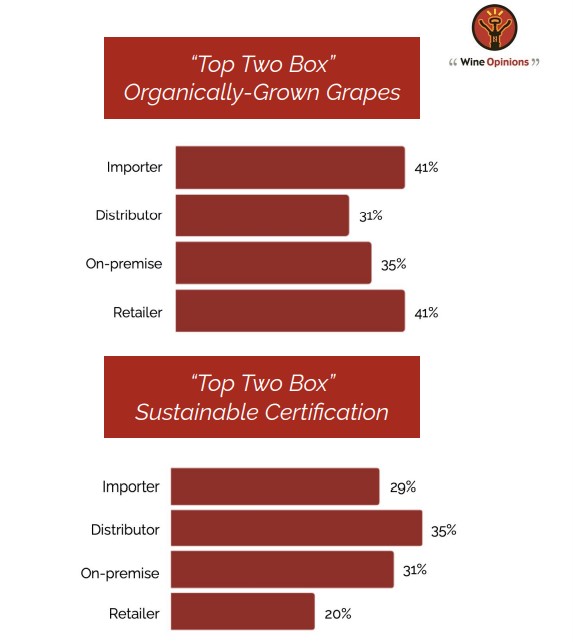
It was of interest that while importers and retailers gave the highest levels of importance to organically-grown grapes, distributors and those in the on-premise tier were somewhat more inclined to value sustainable certification.

Share:
Party,With,Best,Friends.,Group,Of,Cheerful,Young,People,Enjoying

The Buying Power of Younger Consumers Challenges the Value of Social Responsibility

Blog

The Buying Power of Younger Consumers Challenges the Value of Social Responsibility

How the rise of younger generations has changed consumer’s expectations on companies’ social responsibilities, calling for businesses to take action.

With Millennial and Generation Z consumers increasing their buying power across various sectors and markets, companies are evaluating their purchase behaviors to obtain data on their buying trends and preferences. Recent findings show that organizations advocating for social responsibility and social causes quickly escalated from niche to mainstream popularity. In a recent Accenture article, journalist Biaju Shah explains, “At a time when consumer choice has never been higher – and the cost of switching to a new brand has never been lower–a relevance gap this significant could come to a great cost [for companies] if not addressed.

In 2010, the International Organization for Standardization (ISO) conducted research and defined Company Social Responsibility as “the impacts of [the company’s] decisions and activities on society and the environment”. Amid the many duties listed in the ISO 26000 study, contribution to sustainable development, health and welfare-wise, accountability for stakeholders expectations, and a transparent, ethical behavior in compliance with laws and international norms were included. The necessity for the creation of ISO 26000 appears even more evident when studies like the one conducted by Cone Communications showcase that 76% of consumers wouldn’t do business with a company they don’t share the values with, and 25% of consumers have a zero-tolerance policy for unethical behavior. This data is causing many companies to reconsider strategies to reach this growing demand for social responsibility.

What does this mean for the wine industry?

Although purchasing power within younger consumer demographics is on the rise across most sectors, the major audience within the wine industry is still represented by male Baby Boomers. Wine professionals need to start building and establishing a relationship with younger consumers if they want to establish longevity in the industry. As a matter of fact, Betsy Andrews recently wrote an article on SevenFifty highlighting “6 Wine Industry Trends to Watch in 2023”. Andrews begins her analysis with the “value-based winemaking and purchasing” trend, highlighting how consumers now require answers to their questions about the story, as well as the people behind a wine label. For example, Gen Z-ers are aware of the lack of representation and inclusivity in the wine industry and are more likely to ask for and support BIPOC, LGBTQIA+, and female producers; along with organic and biodynamic production estates of course.

The Italian Trade Agency (ITA), the Governmental agency that supports the business development of Italian companies abroad and promotes the attraction of foreign investment in Italy, recently published its semestral report on wine and alcoholic beverages consumption in the United States. In the document, ITA mentions some observed common traits that identify and distinguish Gen Z consumers from previous generations. Some are already well known, like a high sensitivity to the quality and the place of origin of a product; but lesser known facts enlisted in the report are sources to new, thought-provoking insights. Gen Z represents 21.6% of the US population, and it is the most multi-ethnic and multicultural generation of the United States; with a smaller percentage of Caucasian people compared to the previous ones.

Forbes journalist, Greg Petro, also defined this generation as “The Sustainability Generation.” Mind the word choice: eco-friendly and sustainable may sound like synonyms but the truth is, one of the two implies the other. It has become increasingly clear to organizations that topics like climate change and recycling matter to younger consumers, marking the start of what could be considered the “Green Rush.” With a society that is evolving towards a more inclusive, quality-oriented, and sustainable future, it is becoming harder for companies to fulfill consumers’ needs and desires. This is especially significant if the product isn’t aligned with the consumers’ values and expectations, in terms of social responsibility.

What will the future look like?

It will be interesting to see how companies adopt new initiatives to meet consumers where their needs are in a natural and sincere way. Pandering to these demographics using empty marketing strategies or disingenuous campaigns could affect the reputation of the brand and cause long-term damage. It is time for companies to reconsider their organizational values and focus on ways to highlight them through authentic social responsibility. If these steps are not taken seriously, consumers will be able to recognize the companies whose actions are motivated by an honest desire to improve society and those who are motivated by profits.

Share:
changing-

The faces of the wine industry are changing, but are they changing fast enough?

Blog

The faces of the wine industry are changing, but are they changing fast enough?

The last three years have seen myriad changes to our lives. The wine industry, while vast, may seem like a narrow way to look at social change, but an ever increasingly bright light is being shined on issues of diversity in the industry today.

For decades, centuries even, the wine industry has presented an overwhelmingly white, male face to the consumer, mirroring them in many ways. However, with issues of diversity, inclusion and bias at the forefront of many discussions in America that is beginning to change.

Add to this the fact that for nearly a decade the United States has been the largest consumer of wine as a country, more people are coming to the table and with that is a desire to see themselves represented in the industry.

According to Wines & Vines Analytics in 2021 there were only 65 black owned wineries in the U.S. out of over 11000 total wineries. While that number is small, it may seem huge in comparison to other historically underrepresented groups in wine. That a .5% representation could be considered large by any comparison shows there is still progress to be made.

Kita Wines in the Santa Ynez Valley was founded in 2010 by the Santa Ynez Chumash Tribe and represents only 1 of a handful of native owned wineries in the country. 

Camins 2 Dreams, owned by Wife and Wife winemakers, Mireia Taribo and Tara Gomez (Also winemaker at Kita Wines), is part of a growing group of wineries and winemakers representing the LGBTQ+ community.

While this representation is small it does show a shift toward inclusion in the industry. How big a shift is hard to tell. These figures are only now starting to come to light and for many reasons are hard to pinpoint.

In A Study of Black Wine Entrepreneurs published by Dr. Monique Bell in 2021 one of the hurdles she struggled with was a lack of comparable data for her to reference in addition to her own. This lack of demographic research could be a reason that 78% of the respondents to the survey  agreed that “racism is a greater challenge for entrepreneurs in wine” versus other industries. This aligns with sentiments of gatekeeping that many people express in the wine industry.

While this is a tough discussion for many it is not one without positivity. In the same study Dr. Bell found that;

65% of respondents provided mentorship to other black entrepreneurs

86% of respondents found corporate social responsibility important

90% of respondents felt more optimistic about their business than the year before

61% of respondents stated that “I have a stronger sense of belonging in the wine Industry” versus the previous year.

The positivity expressed by many who were surveyed shows promise as do the activities of advocates across all facets of the industry.

Tahiirah Habibi founded the The Hue Society in 2017 to “increase Black, Brown and Indigenous representation and access in the Wine Industry”, after seeing, firsthand the struggles of women and people of color in wine.

Additionally, Tahiirah co-founded the Roots Fund in 2020 with Carlton McCoy and Ikimi DuBose. The Roots Fund was created to “nourish and enrich the lives of communities of color in the wine industry”. Both the Hue Society and the Roots Fund endeavor to grant access to underrepresented groups through events, scholarships, and education.

Sommelier Yannick Benjamin gained notice by not only developing wine programs that highlight historically ignored populations within the wine industry but by also designing a restaurant, Contento, and wine shop, Beaupierre Wine & Spirits, that are welcoming to people with disabilities and may be in a wheelchair, like himself.

Sommelier Victoria James has highlighted the struggles and outright abuse that she and other women encountered in the wine industry while coming up through the ranks and formed her own organization to offer support to women and minorities in the industry, Wine-Empowered.

Difficult discussions are often the best catalysts for change in an industry that is notoriously slow to adapt. In 3 years there has been rapid change, which is hopefully a harbinger of more to come.

Share:
Big,Dinner,Garden,Party,Celebration,With,Friends,On,A,Warm

Keeping the Wine Industry Relevant in the Eyes of Younger Generations

Blog

Keeping the Wine Industry Relevant in the Eyes of Younger Generations

By: Michelle Erland, Sr. Account Supervisor at Colangelo & Partners

As Millennials (1981-1996) and Generation Z (1997-2012) continue to explore wine and how it fits within their lifestyles, the wine industry needs to explore ways to keep these generations engaged. While industry events are strategized to showcase wines by their country, region, body or tasting notes, younger generations are more interested in the branding, story of the wines and environmental impact of their beverages, and the stories of the people that make them. 


The 2021 Wine Market Council Benchmark Segmentation Survey¹ of 5,724 American consumers showed growing concern over Gen Z and younger Millennials. The survey determined that only 25% of 20-29 year old consumers drank wine. This group’s interests were floating towards other alcohol beverages, with 38% consuming beer and spirits. There are many factors that play a part in why a small fraction of younger generations consume wine versus Boomers with 34% of 60-69 year olds and 38% of 70+ enjoying wine. Despite these percentages, certain wine trends have stayed popular amongst all generations. This is inclusive of sparkling wines, RTD (ready-to-drink beverages),  alcohol free and eco-friendly wines. Many of these beverages are branded as social or party drinks which bring in an aesthetic appeal to younger generations. 


Popularity in beer and spirits has steadily increased with the industry’s consistency to stay on popular trends. Whether it is going viral with mixing Disaronno Velvet with Corona beer to create a fake Dr. Pepper, or Sapporo beer launching a seltzer product, these competing industries have creative ways to stay relevant for new generations. The beer and spirits industry has put themselves in a position to promote a single product through influencers, which have a large impact on younger generations. One of these is the Disaronno Velvet Summer Event Series, 3 influencer and media events to bring Disaronno velvet into the eyes of consumers. To spark interest in consumers, the wine industry may consider investing more in influencer marketing. Rob McMillan, the executive vice president of Silicon Valley Bank² reported that in 2021 roughly $122 million was spent by the wine industry on advertising, versus the two competing markets spirits and beer nearly spending triple ($533-$886 million). To bring wines into a brighter and more accepting light for Millennials and Generation Z, the wine industry needs to look at new ways to advertise the category.


Wineries that have devoted time to their image and aesthetic have been able to pivot within the industry, similarly to those in the beer and spirits world. Take Prosecco vs. Champagne for example. While Champagne is notoriously known as the “high end” sparkling wine, between December 2021 to December 2022 there was a 6%³ decrease in sales across the United States. Champagne brands have been known to rely on distributors and retailers to sell their wines rather than promoting through direct to consumer (DTC) ⁴ channels which in turn would restrict their relationship with customers. On the other hand, Prosecco kept their channels of communication open making their brands available to consumers by promoting products through numerous campaigns including National Prosecco Week. In 2022, Prosecco was promoted in over 1,000 retail stores and restaurants, alongside 1,100 online wine merchants. Through influencer partnerships National Prosecco week gained almost 800,000 followers organically⁵. Prosecco has not only made a name for itself in the wine industry but receives constant promotion to keep their image available to all generations whether that be through articles or social media. In turn, Prosecco had a market share increase of 26% from December 2021 to December 2022. Unlike Champagne, Prosecco went directly to customers by hosting 2 events in which over 200 consumers lived within the brand’s lifestyle. Not only having the ability to try several forms of Prosecco ranged at different price points to assist customers on a limited budget, but also being able to connect directly with other curious consumers.


To transition wine industry events to a new generation of drinkers, the industry will need to adapt to the demands of younger consumers. Some solutions include increasing the budget of branding to showcase the lifestyle their wines portray, whether this be a night on the town or a dinner party; adapting to cork to promote a greener wine and help aid the environment⁶; having influencer or consumer events to fully introduce the products rather than promoting them at large trade shows. These adjustments can be showcased at wine industry or smaller intimate events to help industry members select products that will better suit their consumer audiences, eventually, leading to an increase in popularity in wines amongst younger generations.


Sabrina Genovese is an event manager at Colangelo & Partners.


¹ Bratton, D., Smallin, A., & Gallagher, L. (2023, March 30). US wine market research and Insights. Wine Market Council. Retrieved April 25, 2023, from https://winemarketcouncil.com/

² Asimov, E. (2023, January 26). The American wine industry has an old people problem. New York Time. Retrieved April 25, 2023, from https://www.nytimes.com/2023/01/26/dining/drinks/american-wine-industry.html

³ Melnik, P. (2023, January 6). Why prosecco sales are booming. Santa Rosa Press Democrat. Retrieved April 26, 2023, from https://www.pressdemocrat.com/article/lifestyle/prosecco-sales-are-booming/

⁴ Lawrence, J. (2021, February 11). Champagne embraces direct to consumer sales. The Drinks Business. Retrieved April 26, 2023, from https://www.thedrinksbusiness.com/2021/02/champagne-embraces-direct-to-consumer-sales/

Prosecco doc consortium’s Fifth Annual ‘national prosecco week’ confirms the popularity of Prosecco Doc and prosecco doc rosé in the US market. Colangelo & Partners. (2023, January 4). Retrieved April 26, 2023, from https://www.colangelopr.com/clients-in-the-news/prosecco-doc-consortiums-fifth-annual-national-prosecco-week-confirms-the-popularity-of-prosecco-doc-and-prosecco-doc-rose-in-the-us-market/

Best for the environment – 100% cork: Produced by nature. preferred by winemakers. 100% Cork | Produced by Nature. Preferred by Winemakers. (2018, August 16). Retrieved April 25, 2023, from https://100percentcork.org/why-cork/best-for-the-environment/

In today’s rapidly advancing world of technology, brands are increasingly recognizing the value of artificial intelligence (AI) as a powerful tool to revolutionize their communication campaigns and transform their public relations (PR) efforts. AI offers incredible opportunities for brands to connect with their audiences in unprecedented ways, gain valuable insights, and deliver tailored messaging. Prepare to embark on a journey through the innovative realm of AI-driven communication, where brands unlock their true potential and redefine the PR landscape.


The rest of this blog post was written by Michelle Erland:


As someone immersed in the world of PR, I can’t help but get excited about the incredible potential of AI technology. I mean, just look at how it effortlessly crafted the paragraph above in a matter of seconds! AI technologies excel at processing vast amounts of data, identifying patterns, and performing complex “routine” tasks with remarkable speed and accuracy. They have transformed various industries, allowing businesses to optimize operations, personalize customer experiences, and obtain valuable insights. But amidst all this AI buzz, let’s not forget the heart and soul of what makes a brand stand out in a crowded world (and some would argue the reason we even have civilization), the one thing that will elevate the values of your communications agency to new heights AI can’t replace: human connection. Despite their remarkable capabilities, AI systems still fall short when it comes to the depth and nuances of human connection.


In this post we explore why genuine human connection is more essential for brands than ever before and how communications agencies will play a critical role in navigating this ever-evolving landscape, bridging the gap between AI and genuine human connections.


Human connection goes beyond the basic transactional interactions facilitated by AI. It encompasses the ability to truly understand and resonate with the emotions, needs, and desires of individuals. It is the human touch that inspires content and builds brand relationships with authenticity, empathy, and value. While AI can enhance these aspects of a brand, it is ultimately the fusion of human creativity, insight, and emotional intelligence with the capabilities of AI that unlocks the full potential of communications and relationship-building.


Before we explore the significance of communications professionals in the context of AI, let’s take a moment to celebrate the incredible work of our counterparts — journalists. While AI can lend a helpful hand in content generation, it’s the talented journalists who truly bring stories to life, uncovering authentic and captivating narratives. Upholding ethical standards, they ensure information is interpreted with integrity. With a deep sense of responsibility, journalists strive for accuracy, fairness, and transparency. Their dedication and expertise allow human connection to shine, enabling readers to form genuine bonds with a brand, feeling seen, understood, and valued. This connection paves the way for loyalty and repeat customers, making the third-party endorsement of journalists crucial for your brand’s success.


So what is the essential role that communications professionals play in this equation? They are the ones who research, provide leads and sources, and help your brand stand out amidst fierce competition. Working hand in hand with journalists, communications professionals ensure your brand’s message resonates with the right audience. Together, humans and AI can create a winning formula that keeps your brand thriving and strengthens your connection with your audience on a deeper level.


Here are several compelling reasons why PR agencies will become increasingly indispensable in a fostering human connection for your brand in a future dominated by AI.


Creativity and Storytelling:


AI excels at quickly processing and analyzing data, but it cannot offer creativity and craft compelling narratives. Communications agencies, on the other hand, thrive in the art of storytelling, combining creativity and strategic thinking to engage audiences on a deeper level. By understanding the values, aspirations, and pain points of their customers, brands can leverage human connection to craft narratives that resonate deeply. These stories humanize the brand, setting it apart from competitors and creating a unique identity. Through the power of storytelling, communications agencies authentically communicate a brand’s purpose, values, and mission, forging connections that leave a lasting impact on their target audience.


Human Insight and Emotional Intelligence:


Understanding human behavior and emotions is a fundamental aspect of communications, something that AI struggles to replicate. While AI can analyze vast amounts of data, it often falls short in comprehending the subtle nuances and emotions that form human interactions. Communications agencies have a deep understanding of human insight, emotional intelligence and perception, enabling them to craft compelling narratives that resonate with target audiences. They tap into the human spirit, leveraging emotions to drive engagement and build meaningful connections that AI cannot replicate.


Relationship Building and Trust:


Establishing trust with stakeholders is key for any brand’s success. Communications agencies excel at not only developing relationships but also in nurturing connections with key influencers, media outlets, and the public. While AI can facilitate data-driven analysis of consumer sentiment, it is communications professionals who have the expertise to interpret and respond to these sentiments in ways that build trust. By leveraging their network and interpersonal skills, communications agencies can foster authentic connections with the media and other key stakeholders that surpass AI’s capabilities, ultimately enhancing a brand’s reputation and credibility.


Crisis Management:


In today’s fast-paced digital age, crises can escalate quickly and have a significant impact. This is precisely where communications agencies prove to be invaluable. With their extensive experience in handling various clients and crises, they excel in navigating complex situations with speed and precision. While AI can assist in monitoring social media and identifying potential issues, it falls short when it comes to crisis management due to its limited ability to problem-solve. On the other hand, communications professionals are trained to swiftly assess the gravity of a crisis, devise customized strategies, and implement timely responses to minimize reputational damage. Their critical thinking, effective communication skills, and real-time solutions are truly irreplaceable when it comes to managing crisis situations. By having communications agencies by their side, businesses can confidently confront crises head-on and safeguard their reputation in the ever-changing world.

The power of human insight, emotional intelligence, relationship building, crisis management, and storytelling goes beyond what AI can replicate. These qualities are deeply rooted in our human nature—our ability to understand and empathize with others, adapt to unique situations, and strengthen trust through personalized experiences. While AI can enhance certain aspects of communication, it can never fully replace the profound and irreplaceable nature of human connection. However, by harnessing the synergies of AI, communications agencies can achieve an integration of data-driven insights and human expertise on behalf of their clients. This synergy propels brands to new heights in the developing world of AI. As we evolve into a future influenced by AI, human connection will remain an indispensable aspect of our lives, ensuring that authenticity, empathy, and creativity continue to shape successful communications strategies and build brands.

Share:
Untitled-design

The Indispensable Role of Communications Agencies in the Age of AI

Blog

The Indispensable Role of Communications Agencies in the Age of AI Share

By: Michelle Erland, Sr. Account Supervisor at Colangelo & Partners

Disclaimer: The following paragraph has been generated by ChatGPT, an AI language model developed by OpenAI. While the model has been trained on a diverse range of data, the views and opinions expressed in this paragraph are solely those of the AI and do not represent the views of any individual or organization.


In today’s rapidly advancing world of technology, brands are increasingly recognizing the value of artificial intelligence (AI) as a powerful tool to revolutionize their communication campaigns and transform their public relations (PR) efforts. AI offers incredible opportunities for brands to connect with their audiences in unprecedented ways, gain valuable insights, and deliver tailored messaging. Prepare to embark on a journey through the innovative realm of AI-driven communication, where brands unlock their true potential and redefine the PR landscape.


The rest of this blog post was written by Michelle Erland:


As someone immersed in the world of PR, I can’t help but get excited about the incredible potential of AI technology. I mean, just look at how it effortlessly crafted the paragraph above in a matter of seconds! AI technologies excel at processing vast amounts of data, identifying patterns, and performing complex “routine” tasks with remarkable speed and accuracy. They have transformed various industries, allowing businesses to optimize operations, personalize customer experiences, and obtain valuable insights. But amidst all this AI buzz, let’s not forget the heart and soul of what makes a brand stand out in a crowded world (and some would argue the reason we even have civilization), the one thing that will elevate the values of your communications agency to new heights AI can’t replace: human connection. Despite their remarkable capabilities, AI systems still fall short when it comes to the depth and nuances of human connection.


In this post we explore why genuine human connection is more essential for brands than ever before and how communications agencies will play a critical role in navigating this ever-evolving landscape, bridging the gap between AI and genuine human connections.


Human connection goes beyond the basic transactional interactions facilitated by AI. It encompasses the ability to truly understand and resonate with the emotions, needs, and desires of individuals. It is the human touch that inspires content and builds brand relationships with authenticity, empathy, and value. While AI can enhance these aspects of a brand, it is ultimately the fusion of human creativity, insight, and emotional intelligence with the capabilities of AI that unlocks the full potential of communications and relationship-building.


Before we explore the significance of communications professionals in the context of AI, let’s take a moment to celebrate the incredible work of our counterparts — journalists. While AI can lend a helpful hand in content generation, it’s the talented journalists who truly bring stories to life, uncovering authentic and captivating narratives. Upholding ethical standards, they ensure information is interpreted with integrity. With a deep sense of responsibility, journalists strive for accuracy, fairness, and transparency. Their dedication and expertise allow human connection to shine, enabling readers to form genuine bonds with a brand, feeling seen, understood, and valued. This connection paves the way for loyalty and repeat customers, making the third-party endorsement of journalists crucial for your brand’s success.


So what is the essential role that communications professionals play in this equation? They are the ones who research, provide leads and sources, and help your brand stand out amidst fierce competition. Working hand in hand with journalists, communications professionals ensure your brand’s message resonates with the right audience. Together, humans and AI can create a winning formula that keeps your brand thriving and strengthens your connection with your audience on a deeper level.


Here are several compelling reasons why PR agencies will become increasingly indispensable in a fostering human connection for your brand in a future dominated by AI.


Creativity and Storytelling:


AI excels at quickly processing and analyzing data, but it cannot offer creativity and craft compelling narratives. Communications agencies, on the other hand, thrive in the art of storytelling, combining creativity and strategic thinking to engage audiences on a deeper level. By understanding the values, aspirations, and pain points of their customers, brands can leverage human connection to craft narratives that resonate deeply. These stories humanize the brand, setting it apart from competitors and creating a unique identity. Through the power of storytelling, communications agencies authentically communicate a brand’s purpose, values, and mission, forging connections that leave a lasting impact on their target audience.


Human Insight and Emotional Intelligence:


Understanding human behavior and emotions is a fundamental aspect of communications, something that AI struggles to replicate. While AI can analyze vast amounts of data, it often falls short in comprehending the subtle nuances and emotions that form human interactions. Communications agencies have a deep understanding of human insight, emotional intelligence and perception, enabling them to craft compelling narratives that resonate with target audiences. They tap into the human spirit, leveraging emotions to drive engagement and build meaningful connections that AI cannot replicate.


Relationship Building and Trust:


Establishing trust with stakeholders is key for any brand’s success. Communications agencies excel at not only developing relationships but also in nurturing connections with key influencers, media outlets, and the public. While AI can facilitate data-driven analysis of consumer sentiment, it is communications professionals who have the expertise to interpret and respond to these sentiments in ways that build trust. By leveraging their network and interpersonal skills, communications agencies can foster authentic connections with the media and other key stakeholders that surpass AI’s capabilities, ultimately enhancing a brand’s reputation and credibility.


Crisis Management:


In today’s fast-paced digital age, crises can escalate quickly and have a significant impact. This is precisely where communications agencies prove to be invaluable. With their extensive experience in handling various clients and crises, they excel in navigating complex situations with speed and precision. While AI can assist in monitoring social media and identifying potential issues, it falls short when it comes to crisis management due to its limited ability to problem-solve. On the other hand, communications professionals are trained to swiftly assess the gravity of a crisis, devise customized strategies, and implement timely responses to minimize reputational damage. Their critical thinking, effective communication skills, and real-time solutions are truly irreplaceable when it comes to managing crisis situations. By having communications agencies by their side, businesses can confidently confront crises head-on and safeguard their reputation in the ever-changing world.


The power of human insight, emotional intelligence, relationship building, crisis management, and storytelling goes beyond what AI can replicate. These qualities are deeply rooted in our human nature—our ability to understand and empathize with others, adapt to unique situations, and strengthen trust through personalized experiences. While AI can enhance certain aspects of communication, it can never fully replace the profound and irreplaceable nature of human connection. However, by harnessing the synergies of AI, communications agencies can achieve an integration of data-driven insights and human expertise on behalf of their clients. This synergy propels brands to new heights in the developing world of AI. As we evolve into a future influenced by AI, human connection will remain an indispensable aspect of our lives, ensuring that authenticity, empathy, and creativity continue to shape successful communications strategies and build brands.

Share:
Influencer-Banner-2

Working with Wine Influencers: A Deep Dive

Blog

What Happens When a Wine Gets 100 Points? The Lasting Importance of Scores in the Industry

Influencer marketing is a powerful tool that amplifies reach, fuels trust and builds an engaged community. According to a poll by Vinepair, a magazine with a readership of over 5 million, they found that 70% of readers listed friends as their most trusted source for wine recommendations. Wine influencers provide the closest replication of that ‘friend’ relationship in the digital space. 


The Colangelo & Partners influencer team closely monitors all influencer activity, social media trends and audience feedback across all social media platforms in order to keep our clients ahead in the ever-changing digital landscape. By working with key wine influencers, we place our clients first in the minds of consumers and increase digital share of voice. The Colangelo & Partners influencer team conducted a deep dive into 100 wine influencers located throughout the U.S. We define a wine influencer as someone who shares exclusively wine and wine-related content on their social media platforms. Through our research, we discovered several key findings to gain a deeper understanding of the wine influencer industry and why you should be working with wine influencers.


WSET Certification 

  • Finding: Consumer-facing wine education and awareness is falling out of the hands of traditional industry experts and into the hands of passionate wine enthusiasts. The Wine and Spirits Trust (WSET) provides globally recognized education and qualifications to empower both professionals and enthusiasts. Through our research, we determined that 53% of wine influencers had some level of WSET certification while 47% have no WSET Certification. 
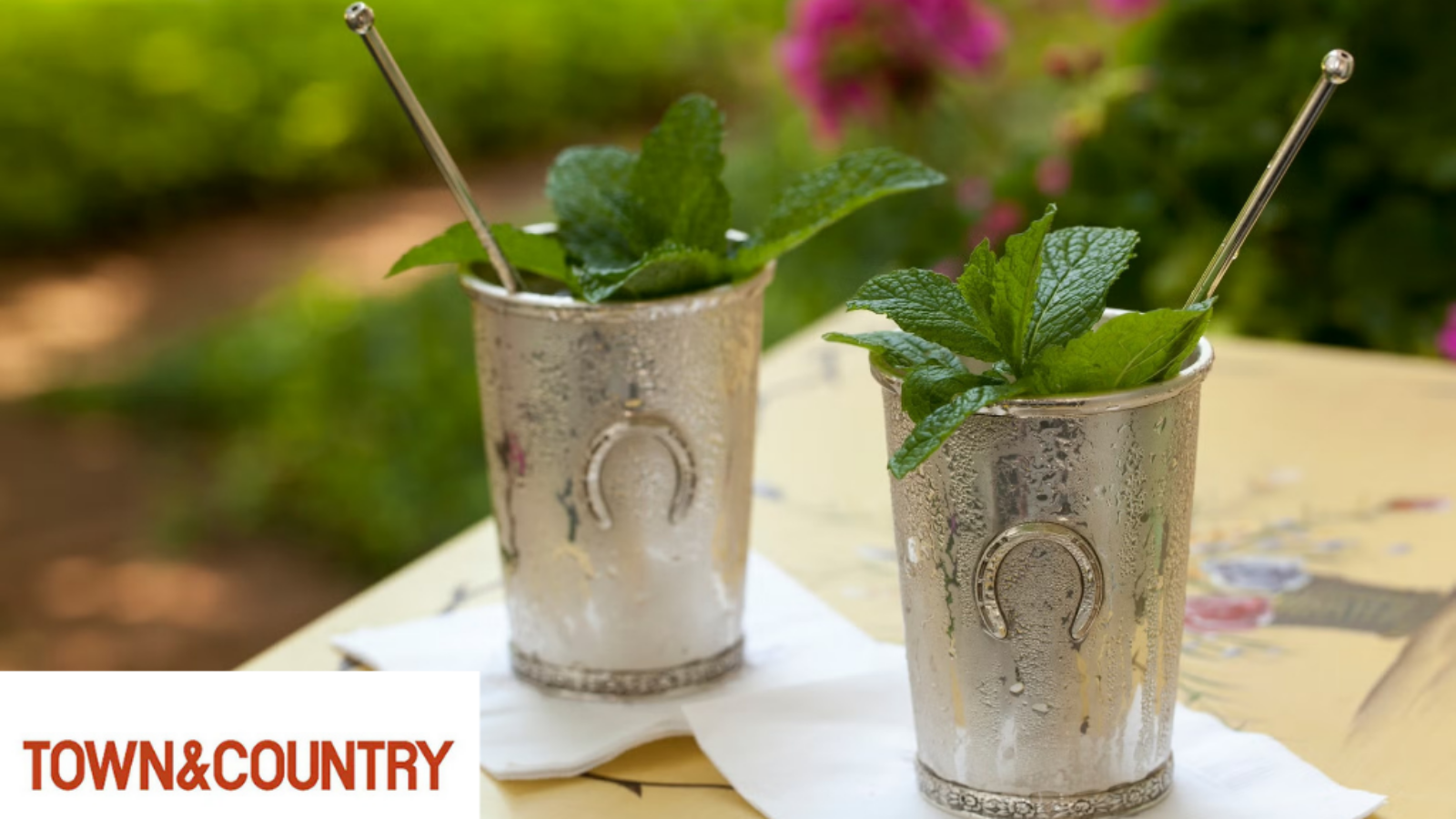
  • Application: These WSET-certified influencers are motivated by their passion for wine and additional level of rapport that allows them to better speak and educate their followers about your brand. As consumers spend increasingly more time on social media platforms, wine influencers can place your wines in front of a fresh demographic allowing the product to be more accessible and engaging.


Organic Vs. Sponsored Content

  • Finding: After reviewing wine influencers profiles for sponsored post activity, mid-tier wine influencers with followings of 20-100K, share 1-3 organic posts per each sponsored post, on average. Nano & micro wine influencers with followings of 2.5-15k, share 3-6+ organic posts per each sponsored post, on average. 
  • Application: The placement and delivery of an influencer’s sponsored post determines the success of the promotion. Ensuring that ads are placed in a way that seems organic to the influencer’s style is key, we work with influencers in a relatable way ensuring the content feels approachable to their audiences. At Colangelo & Partners, we analyze influencers for potential audience bots with influencer management tools, such as Tagger,  and prioritize influencers with an engagement rate of 1% or higher (industry average). More specifically, wine influencers have an average engagement rate of 2.72%. 


Who are wine influencers working with?

  • Finding: Are wine influencers the right fit for your brand? Majority of wine influencers work with a balanced variety of more attainable as well as higher-end wine brands. More wine influencers are posting about higher-end wines only than lower-end wines only. 
  • Application: Gen Z consumers aged 21-24 are far less likely than older consumers to have a brand affinity to a certain wine brand providing wine brands an opportunity to educate and build a relationship with the next generation of wine drinkers through influencer partnerships.


Video vs. Photo Content

  • Finding: The wine influencers who have found the most engagement are those who have successfully broken down this complex industry into fun, accessible, short-form video and photo content. 
  • Application: The most widely used social media platform by wine influencers is Instagram, with over 120 million users. Compared to photo posts, Instagram Reels have been gaining 67% more engagement than photos causing more wine influencers to share video content. With increased engagement also comes an increase in prices for brands to execute these partnerships due to the higher level of involvement in creating a video.


Audience Feedback

  • Finding: So what are these wine influencers’ followers saying? Wine influencers who are WSET-certified tend to have wine-focused audience feedback due to their deeper technical understanding of wine, for example, “This Pinot Noir paired perfectly with my Lamb the other night.” Non-WSET certified wine influencers receive more feedback on overall content quality & photo aesthetics, for example, “Your outfit matches the bottle.” 
  • Application: Depending on the campaign objective, influencers’ audience feedback can serve as a roadmap to deciphering which influencer to work with in order to reach your goal. 


Humorous Content Style

  • Finding: After analyzing wine influencers’ top posts, we discovered there is a correlation between humorous, relatable content and high engagement. This content style evokes empathy and associates positive feelings with the post.
  • Application: Implementing humor adds a ‘human’ element to social media content thus creating a deeper connection with the audience.  Although a sense of humor can allow engagement with your current audience, it can also largely attract a new audience through increased sharing. Studies have shown that humor and satire are two emotions that serve as viral content denominators causing content to spread like wildfire.


Influencer marketing is now an essential resource for wineries looking to connect with new audiences. Wine influencers assist in building brand awareness, educate new consumers, and create a community built on trust. With effectively executed influencer campaigns comes a new generation of loyal consumers for your brand.

Share:
AdobeStock_58949162

What Happens When a Wine Gets 100 Points? The Lasting Importance of Scores in the Industry

Blog

What Happens When a Wine Gets 100 Points? The Lasting Importance of Scores in the Industry

By Shawn Zylberberg

How do you decide where to eat? How about what movie to see? Or where to drink? For many, it comes down to a number, whether it’s from Google reviews, Rotten Tomatoes, or an influential wine magazine. At least in the wine industry, numerical ratings have played a big role in consumer and trade behavior since the late ‘70s, and it started with one man.

In 1978, esteemed wine critic Robert Parker Jr. launched The Wine Advocate, a Maryland-based newsletter that provides consumers with detailed tasting reviews and numerical ratings from producers all over the world. Many publications followed suit, including Wine SpectatorDecanterVinousWine Enthusiast, and more. 

What does the 100-point scale mean?

The Wine Advocate breaks it down as follows:

96 to 100: An extraordinary wine of profound and complex character displaying all the attributes expected of a classic wine of its variety. Wines of this caliber are worth a special effort to find, purchase and consume.

90 to 95: An outstanding wine of exceptional complexity and character. In short, these are terrific wines.

80 to 89: A barely above average to very good wine displaying various degrees of finesse and flavor as well as character with no noticeable flaws.

70 to 79: An average wine with little distinction except that it is soundly made. In essence, a straightforward, innocuous wine.

60 to 69: A below average wine containing noticeable deficiencies, such as excessive acidity and/or tannin, an absence of flavor or possibly dirty aromas or flavors.

50 to 59: A wine deemed to be unacceptable.

Wine Spectator scores its wines on a similar basis, opting for the word “classic” to describe wines in the 95 to 100 range. Perhaps no one understands the power of scores more than critics themselves, and giving a wine 100 points continues to be a careful decision that has lasting impacts for any winery, despite more and more being handed out than ever before. 

According to George Petersen, South Florida Sales Manager at U.S. importer Vine Connections, high scores are a very big deal for his team. “Commercially speaking, a high score is the best thing that can happen because out of nowhere it’s the wine everyone sees and buys just because it has that rating,” Petersen said. “Those 100 points also help us show other wines in the winery’s portfolio to retailers and restaurants. Consumers trust blindly in the score and its reputation.” In other words, it makes selling a bit easier. 

In a recent interview on XChateau Wine Podcast, Quintessa’s Export Director Diego Garay talked about how wine ratings help open doors for international distribution on La Place de Bordeaux, the world’s premier fine wine network. “You need to have a certain pedigree, including high scores,” he explained. “You must be known by international consumers because you will need to build demand for négociants (La Place salespeople). Négociants are not brand builders.” 

Just like an excellent theater review, a perfect wine score will see sales escalate, but more importantly, it helps lift wine regions to a new level on the global stage. In 2018, The Wine Advocate critic Luis Gutiérrez gave El Enemigo ‘Gran Enemigo’ Gualtallary Cabernet Franc 2013 and Catena Zapata Adrianna Vineyard River Stones Malbec 2016 a perfect 100 point score, a first for Argentina. In recent days, Viñedo Chadwick became the first Chilean winery to receive 100 points from the Advocate for their Puente Alto Cabernet Sauvignon, a huge milestone for the neighboring South American country. Whether it’s an importer in North Carolina or Shenzhen, the world has taken more notice that Argentina and Chile have incredible potential for classic wines.

Some see scores as obsolete, or blame score inflation as a major issue that is misleading consumers. But as more and more professional critics branch out with their own mediums, such as Lisa Perrotti-Brown (former head of The Wine Advocate) of The Wine Independent or Jeb Dunnuck of JebDunnuck.com or Tim Atkin of TimAtkin.com, consumers seem to have many palates to align with for accurate scores. 

For Wine Spectator critic James Molesworth, it’s tough to buy that a perfect wine exists. The Bordeaux and Napa Valley taster has never given 100 points during his 20+ years at the magazine. “The concept that something that takes so much of human hand in it, inherently is not perfect and once you do give [wine] 100 points, you’re locked and you’re saying that that wine is the ‘ultimate’ and everything gets judged against it,” Molesworth said in an episode of The Booze Hustle podcast last year. “You look back at those 100 point wines five, 10, and 15 years down the road and think ‘woah’ … not happening.” He adds that giving 100 points is more of an emotional reaction at the time. Molesworth doesn’t shut down the possibility that he’ll give 100 points one day, but his hesitancy to give a perfect score has built up enough worth over the decades that when he does, it’ll hold much more weight than most other critics. 

Decades after Parker invented the 100-point scale, there is no denying its importance in every aspect of the wine business today, from sales to distribution to consumer purchasing. There’s too much wine out there, and scoring “permits rapid communication of information to expert and novice alike,” according to Parker, which is why scores may be even more important today in our increasingly fast world. But surprisingly, the score was never the most important part of the formula for him.
“Scores do not reveal the important facts about a wine” Parker writes in issue 146 of The Wine Advocate. “The written commentary that accompanies the ratings is a better source of information regarding the wine’s style and personality, its relative quality vis a vis its peers, and its value and aging potential than any score could ever indicate.”

Share:
IMG_7188-scaled

Elevating Beverage Alcohol Brands: Strategic Insights Beyond Scoring Critics

Blog

Elevating Beverage Alcohol Brands: Strategic Insights Beyond Scoring Critics

By Helena Morgana Germanetto

In the ever-evolving landscape of the beverage alcohol industry, success transcends the realm of scoring critics’ reviews. Instead, it emerges from a multi-dimensional strategy that involves harnessing the power of trade marketing, optimizing point of sale promotion, fostering strategic partnerships, and weaving resonant brand narratives. Each of these recommendations is a key piece of the puzzle, contributing to the comprehensive marketing approach that distinguishes thriving brands in the competitive U.S. market. Colangelo & Partners has developed expertise and experience in activating integrated communications programs for the Beverage Alcohol industry. 

 1. Point of Sale Promotion: Enhancing Consumer Engagement

Relevance: In an era where consumers are inundated with choices, the importance of capturing their attention at the point of sale cannot be overstated. Point of sale promotion provides a unique opportunity for brands to influence purchasing decisions right as they are being made.

Execution: C&P coordinates with retail outlets carrying your brand, designing visually captivating displays that stand out amidst the shelves with a seemingly endless product selection, and train tasting staff to present your brands as if they were the winemaker herself. Coupled with limited-time promotions we can create a sense of urgency, and carry out interactive experiences that engage consumers on a personal level. Presenting retailers with the tactics and assuring them of proper execution is as critical as the ideation part.

 Example: Imagine a brand of premium tequila. At a local liquor store, the brand sets up an elegant display with a backdrop that mimics the agave fields of its origin. A digital screen displays a short video showcasing the brand’s craftsmanship and heritage. On the shelves beneath the display, bottles of the tequila are prominently featured on a tasting bar with your brochures or branded giveaways. This not only grabs the shopper’s attention but also encourages them to sample the product before purchasing.

2. Strategic Partnerships: Amplifying Reach and Influence

Relevance: Collaboration is a powerful tool that allows complementary brands to leverage each other’s strengths, expand market reach, and create a more immersive brand experience for consumers. 

Execution: C&P can identify partners with complementary offerings or shared target audiences. Collaborative efforts can range from co-hosting events and cross-promotions to joint product launches, events and stand out in-store visibility.

Example: Picture a partnership between a local winery and a popular artisanal cheese shop. They collaborate to host a wine and cheese pairing event where consumers can explore the synergy between their products. The winery provides exclusive wines for the event, while the cheese shop curates a selection of gourmet cheeses. This partnership not only introduces customers to new taste experiences but also increases foot traffic to both establishments. Or picture neck tags on your bottles in major retail chains that offer a discount coupon for those cheeses.   

3. Crafting Resonant Brand Narratives: Forging Emotional Connections

Relevance: Beyond product attributes, consumers seek brands that resonate with their values and aspirations. Crafting a compelling brand narrative humanizes the brand and fosters emotional connections. 

Execution: C&P communications professionals identify the brand’s unique story, whether it’s rooted in family history, a commitment to sustainability, or a dedication to innovation. This narrative should be integrated into all communication touch points, from packaging, to POS materials, to exclusive events, to social media and the digital ecosystem.

Example: Consider a brand of gin that prides itself on using botanicals from a century-old garden. Their narrative focuses on the garden’s history, the meticulous cultivation process, and the role it plays in imparting distinctive flavors to the gin. This story is woven into the brand’s website, social media posts, and even on the in store displays, forging a deeper connection with consumers who appreciate craftsmanship and heritage. 

4. Trade Marketing: Forging Relationships for Lasting Impact

Relevance: The relationships a brand establishes with trade partners can significantly influence product visibility, accessibility, and sales performance. Trade marketing empowers brands to directly engage with these partners and shape the distribution strategy.

Execution: Brands can conduct face-to-face meetings with distributors, retailers, and bar managers, presenting the unique value proposition of their products. Incentives, such as exclusive releases or discounts, discovery trips and invitations to exclusive events can sweeten the deal for trade partners. 

Example: Imagine a craft brewery that wants to expand its presence in a new city. The brand’s representatives meet with local distributors and showcase their diverse range of beers, highlighting their popularity and potential customer appeal by executing an invitation only event. They offer the distributors a limited-edition brew that’s not available elsewhere. This sparks the distributor’s interest, leading to a commitment to prioritize the brand’s products in their portfolio. 

A Comprehensive Approach to Triumph

In the tapestry of the beverage alcohol industry, triumph arises from the fusion of strategies that transcend the realm of scoring critics’ reviews. It’s about creating enchanting displays, fostering meaningful partnerships, sharing captivating stories, and nurturing relationships with trade partners. 

Picture a brand of craft whiskey that embodies these principles—it entices shoppers with its visually stunning display, collaborates with local music venues to offer unique tasting experiences, shares the narrative of its founder’s journey, and partners with distributors to ensure consistent availability and broad distribution. 

This brand doesn’t merely rely on scores; it thrives through a symphony of marketing tactics. By embracing these recommendations, brands can transcend the limitations of critics’ acclaim and forge their path to triumph. It’s an intricate dance of creativity, collaboration, and strategy that sets brands apart and elevates their position in the market. 

In a world of endless options, success lies not just in the numbers on a review but in the hearts and minds of consumers who resonate with the brand’s story.

Share:
Aerial,Shot,Of,The,Vineyards,Near,Menfi,In,Southwestern,Sicily,

Wines from Southern Italy: A Rising Star in the American Wine Scene

Blog

JULIANA COLANGELO UNVEILS ON-PREMISE TRENDS IN ITALIAN WINE

By Helena Morgana Germanetto

In the midst of global challenges, there emerges a glimmer of hope and celebration for wine enthusiasts, particularly those with a penchant for Southern Italian wines. 

For decades, the wines from the South of Italy have remained relatively obscure, overshadowed by their counterparts from the North. 

However, in recent years, there has been a remarkable renaissance in Southern Italian winemaking, leading to a surge in popularity, especially in the United States. 

This shift is transforming Southern Italy into a wine lover’s paradise, capturing the hearts of consumers across the world. Several factors contribute to this newfound fame, making Southern Italian wines the rising star in the American wine scene.

Resilience and Renaissance: The Heart of Southern Italy

Southern Italy, often underappreciated and marred by challenges, embodies the essence of resilience. Despite adversities, the region has persevered, reflecting Italy’s culture of rebirth and renewal. This resilience is mirrored in Southern Italian wines, which have undergone a renaissance after years of obscurity. Blessed with abundant sunshine, volcanic soils, and a rich diversity of grape varieties, Southern Italy has always had the potential for exceptional winemaking. 

In the mid-1980s, the quality revolution in Italian wine, which began in the North, gradually made its way southward. The younger, educated, and environmentally conscious generation of winemakers in Southern Italy started harnessing their familial lands, embracing local grapes, and adopting sustainable practices. This movement democratized winemaking, enabling even small producers to create exceptional wines. Today, Southern Italy boasts a wide array of unique, indigenous, and sustainable wines that capture the essence of the region’s terroir.

A Diverse Tapestry of Flavors: Southern Italian Wines in the US

One of the key reasons behind the surging popularity of Southern Italian wines in the United States is their unique flavor profile, which resonates well with American consumers. These wines offer round, fruit-forward flavors with a well-balanced acidity, making them incredibly food-friendly. In a country with a diverse culinary landscape, these wines provide the perfect accompaniment to a wide range of dishes, enhancing the dining experience.

Furthermore, Southern Italy’s relatively undiscovered paradises, such as Puglia and Sicily, have become hotspots for tourists seeking authentic wine experiences. Travelers are immersing themselves in the picturesque vineyards of Southern Italy, tasting the wines, and falling in love with the region’s rich winemaking heritage. This first-hand experience has fueled the demand for Southern Italian wines in the US, creating a buzz among wine enthusiasts.

Accessible Luxury: Southern Italian Wines in the US Market

Another contributing factor to the rising popularity of Southern Italian wines in the United States is their competitive price point. Unlike their Northern counterparts like Barolo and Brunello, wines from the South of Italy offer exceptional quality at a more accessible price. This affordability has made these wines a preferred choice for consumers looking for value without compromising on taste and authenticity.

In recent years, Southern Italian wines have garnered recognition and accolades, with numerous varieties consistently scoring 90 points or higher in esteemed publications. This increased visibility has instilled confidence in American consumers, encouraging them to explore the diverse world of Southern Italian wines.

Sicily: A Wine Continent on the Rise

Among the regions in Southern Italy, Sicily stands out as a frontrunner in the global wine arena. With its unique climate and diverse terroirs, Sicilian winemakers have embraced both indigenous and international grape varieties, creating a rich tapestry of wines that cater to various preferences.

A significant trend in Sicilian winemaking involves a return to indigenous grape varieties like Nero d’Avola and Grillo. Embracing these native grapes not only preserves Sicily’s winemaking heritage but also serves as a practical response to global warming. 

Additionally, Sicily has witnessed a surge in wine tourism, attracting visitors from across the globe. The picturesque vineyards and wineries have become havens for wine lovers seeking immersive experiences. Sicily’s wineries have invested in state-of-the-art facilities, offering guided tours, tastings, and culinary experiences, enhancing the overall tourism appeal.

The Future: Bright and Flavorful

As Southern Italian wines continue to captivate the American market, the future appears promising. The younger generation of winemakers, driven by a passion for sustainability and a deep connection to their heritage, is poised to redefine the wine industry. With an emphasis on indigenous grapes, sustainable practices, and unique terroirs, Southern Italian wines are set to shine brighter in the global wine landscape.

Share:
Red,Wine,Bottles,Stacked,On,Wooden,Racks

JULIANA COLANGELO UNVEILS ON-PREMISE TRENDS IN ITALIAN WINE

Blog

JULIANA COLANGELO UNVEILS ON-PREMISE TRENDS IN ITALIAN WINE

By Helena Morgana Germanetto

Juliana Colangelo, Vice President at Colangelo & Partners, the leading wine and spirits communications agency in the U.S., conducted an in-depth interview with Jeremy Hart, a prominent wine expert in the U.S. community, to delve into the on-premise trends for Italian wine in the U.S. market.

Jeremy Hart is a highly experienced professional with a rich background spanning over two decades in the hospitality sector. His expertise lies in sales, brand management, and strategic marketing. During his seven-year tenure with a renowned importer, he successfully managed a portfolio of over 400 SKUs from 56 different brands across six states, overseeing national accounts. His innovative brand concepts significantly contributed to the recognition of a multiyear Wine Spectator’s Top 100 Winner. Jeremy’s reputation as an industry expert was solidified through his role as the host of the closing dinner at the prestigious TexSom Conference for five consecutive years. In addition to these achievements, he co-founded Inknowlogy Marketing Agency, established his own wine brand, Explicit Content, and currently serves as the Chief Strategic Marketing and Co-Founder at Somm.ai.

Jeremy is deeply committed to advancing the beverage industry by employing data-driven methods for growth and promotion. Thanks to his expertise and company, he has developed strategies to teach people about the on-premise world in the U.S. market. This includes understanding the market’s biggest challenges and most interesting opportunities for each category, deciding whether to push or not the distribution system, and better understanding companies’ positioning in such a complex scenario.

In the discussion with Jeremy and exploring the possibilities that Inknowlogy has to offer, it is evident that while France remains the number one non-domestic origin for wines in the U.S. in the on-premise, Italy is closely following suit, displaying promising growth percentages, especially in the premium category.

With over 1,200 placements as net additions, Italy is poised to become the next big trend in the U.S. on-premise panorama. Wines such as Barolo, Super Tuscans, Brunello, Chianti, and even the smaller Barbaresco appellation are revealing promising trends to pursue in order to captivate the U.S. palates in on-premise settings.

A surprising revelation is that among all 50 states, Colorado stands out with a remarkable 19% growth trend, marking a significant turning point for many.

The question arises: how should producers structure their benchmarking activities to enhance their competitive advantage in this multifaceted scenario of the U.S. wine market? Jeremy emphasizes the importance of not only considering price points, whether increasing, decreasing, or aligning with competitors, but also examining appellations as a whole. Producers should analyze their behavior while comparing them with similar products from different countries of origin.

Lastly, data analysis provides the means to move away from predicting trends based on instincts, sensations, and adventurous bets, allowing producers to make strategic decisions grounded in tangible data.

While one of the challenges for Italian companies remains staying in constant communication with buyers, the future of Italian wines in the U.S. on-premise market appears exceptionally promising.

Share:
Miami,Beach,,Florida,Hotels,And,Restaurants,At,Sunset,On,Ocean

FLORIDA’S ROMANCE WITH ITALIAN WINES: A BLOSSOMING AFFAIR

Blog

FLORIDA’S ROMANCE WITH ITALIAN WINES: A BLOSSOMING AFFAIR

By Helena Morgana Germanetto

Juliana Colangelo, Vice President at Colangelo & Partners, the prominent wine and spirits communications agency in the U.S., delves into the expansion of the Italian wine category within the flourishing Florida market.

Florida, currently the fastest-growing state in the U.S., stands as the third-largest state, following California and Texas, according to the 2022 Census report. The state’s population witnessed a 1.9% increase, reaching 22,244,823 between 2021 and 2022. Simultaneously, with this population growth, there has been a noticeable surge in on-premise establishments and wine-focused events.

Speaking with Juliana, Bruce Hunter, Shaw Ross Managing Director, discussed the promising prospects within the Florida market for Italian wines.

With his extensive experience in the market since 1995, Bruce has observed the evolution of Florida’s multifaceted international market. 

During the pandemic, Florida’s open environment attracted numerous individuals, leading to diverse culinary preferences and tastes. Despite the competitive wine scene, consumers are increasingly willing to invest in quality wines, especially in the above $15 category, fostering a growing fondness for Italian wines in the region.

Fine dining restaurants, particularly Italian ones, have proliferated, providing a significant advantage for Italian wines, especially those in the premium category. 

Contrary to the misconception that warm climates deterred red wine consumption, Barolos and Brunellos have gained popularity, as well as other prominent, premium Italian red wines, captivating wine enthusiasts with vertical tastings. Restaurants have indeed responded by offering multiple vintages to meet this demand.

Florida’s hospitality and leisure industry, according to TaxWatch, is one of the fastest-growing sectors, with a projected 11.9% growth in 2021. Established restaurants have elevated their standards concerning wine lists and cuisine to keep up with the increasing offerings.

Italian wines, with their exceptional variety, appeal to a wide range of palates, making it crucial for producers and companies to focus on the Florida market. 

Strategic targeting of wine events emphasizing education for restaurateurs and retail store owners, who represent the buyers of the future, is essential. It is imperative to recognize that Florida is not just Miami; markets like Naples, Jacksonville, Tampa, Orlando, and Panama City are equally vibrant, being winter residences for many North and South Americans as well as Europeans.

The diversity and international touch of the Florida market makes it quite unique and stimulating, while presenting countless possibilities for the Italian wine scene, requiring careful navigation and consideration. 

While education remains a priority, it is evident that Florida and Italian wines are destined for a happy marriage after all.

Share:
Image_20231026_105025_147-scaled

The Importance of Engaging the Three-Tiers Within A US Beverage Alcohol Marketing Campaign – Part 1

Blog

The Importance of Engaging the Three-Tiers Within A US Beverage Alcohol Marketing Campaign – Part 1

By Torrey Grant, Account Executive at Colangelo & Partners

This is part 1 in a 2-part series outlining the importance of engaging trade as part of a fully integrated PR
campaign.

It could be argued that there has never been a better time to be a consumer of wine and spirits than
today. There is more quality, more choice, and more availability than ever before. With this increase in
choice, however, comes an increase in competition.


All of this holds true, even after the last few years have tested the resilience of the market in a multitude
of ways. Complications in an already competitive marketplace have created challenges at all points
along the supply chain. The fact that consumers are now aware of the 3-tier system and the difficulties
that have been experienced within it is evidence of a more knowledgeable customer.


The evolution of the industry has created opportunities for communication strategies to evolve along
with it. Messaging and brand awareness have always been the focus for PR and communications
professionals. Valuable connections with members of the media are cultivated to build trust and foster
relationships where all parties benefit. These strategies will continue to prove important in the future.
A fully integrated communications strategy, however, must take advantage of relationships not only in
the media landscape but within the framework of the 3-tier system of trade professionals that operate
in the U.S. and beyond. From the producer, through the importer/distributor and finally the
retailer/restaurateur there are many relationships to be leveraged to benefit not only the client, but all
stakeholders.


The key to successful relationship building is still the same. All parties must benefit from a true
partnership. This, however, cannot be a partnership predicated on a one-time execution of one or more
sets of deliverables. An importer or distributor may use depletions as one measure of success.
Increasing that number year over year is a true measure of success.


Where to start, Producer Clients.
Every Client at Colangelo & Partner’s is different and has unique needs.
More and more frequently producer clients are coming to us looking for a route to an increasingly
competitive market. As a wine or spirits lover it is wonderful to see not only the quality available in the
market but also the quantity and diversity of selection to choose from. That same celebration for wine
and spirits lovers is a challenge for producers. No longer can just being delicious guarantee reliable
import and/distribution.


When looking to enter any market, knowledge of the market is paramount. Successfully implementing a
data driven strategy to select import and distribution partners begins a process that relies on
understanding any market that a client wants to enter. C&P, through its network of industry contacts,
has access to multiple sources of market data, including Nielsen, The Wine Market Journal, Liv-Ex and
Sip Source to name a few.

Access to data is a start. The team within the Integrated Trade division at C&P has the necessary skills
and expertise to analyze the data and present it to clients in a clear meaningful way that can be acted
upon immediately and intelligently based on their recommendations. As a communications agency we
have more than just ties to wonderful winemakers to offer. Once a relationship is forged, a fully
developed media relations program can be launched to support the entry of new products into the
market. The ability to reach out and drive conversations with key opinion makers elevates the potential
of a brand’s success even on the most level of playing fields.


Once the product has reached the market, constant communication with members of the press will
ensure that your client’s wines are in full view of the consumer. Additionally, trade events such as retail
tastings, staff trainings and masterclass seminars will help pull product through the market leading to a
consistent need for replenishment.


C&P works with multiple partners connected to retailers ranging from boutique shops to multiple outlet
chains. These partners work to create carefully designed in-store activations to drive sales and
awareness of the clients’ products. Staff trainings executed on site make sure that a client’s products are
top of mind for not only the sales people working the floor at these locations but also key decision
makers as well. Lastly, Masterclass style seminars featuring winemakers, distillers or other members of
the production team can be tied together with floor tastings and staff trainings for an inclusive retail
promotion.


These immersive hands-on activation can happen in both off premise and on premise locations. C&P has
worked with many premier restaurant groups such as Eataly and the Mina Group for example, to
highlight not only individual producers, but wine regions and appellations as well.

Share:
Torreys-Blog-P2-2--scaled

The Importance of Engaging the Three-Tiers Within A US Beverage Alcohol Marketing Campaign – Part 2

Blog

The Importance of Engaging the Three-Tiers Within A US Beverage Alcohol Marketing Campaign – Part 2

By Torrey Grant, Account Executive at Colangelo & Partners

In the conclusion of our series on successful, integrated trade PR strategies, we will discuss the importance of engaging members of the grade through guided trade trips and events to promote these regions in the United States

Travel Related Activations

There is no better way to become knowledgeable about a producer or region than to go there and experience it. In addition to clients who make wine and spirits, C&P also represents many institutional and trade clients. Many of these institutional clients represent regions who, whether well-known or emerging onto the market, represent opportunity for growth at all points along the 3-tiers of alcohol sales.

Trade trips are powerful tools in making a connection between what’s in the bottle and where it came from. Trade trips are not only a tool to strengthen already existing relationships but also useful in exploring new ones. C&P regularly organizes trips focused on different segments of the industry. In the past we have designed trips for importers & distributors, Sommeliers, press, retailers, and buyers from all tiers. Thes trips have included destinations such as Sicily, Portugal, Georgia, and Spain to name a few. As consumers discover new wineries, they often thirst to explore the region further. Savvy, well-informed importers can leverage these market trends to their advantage by being first to market with exciting new winemakers.

Institutional and Trade Clients

There is another very important side of the coin when it comes to trade trips. These organizations place great value on bringing attention to their respective regions. When members of the groups mentioned above visit these destinations, they take home with them a greater appreciation of what goes into producing the wines and/or spirits that are cultivated there. Members of the press are able to paint a much more intriguing picture of a place they have set foot in rather than going off the accounts of others.

Buyers and Sommeliers form lasting relationships that lead to long term partnerships bringing products to market. Ther is no better tool in selling wine on the floor of a restaurant or retail location than being able to tell a story about where the wine came from. The groups that represent these regions know that aligning themselves with an organization such as C&P gives them access to members of the trade from across the industry.

Event Based Campaigns

Tactical thinking and planning are important to cultivate successful PR programs. Short-term contracts necessitate efficient execution and measurable results. Strategic thinking and planning, however, show a company’s true understanding of how a long-term, well thought out campaign can bring not only promised results but also create new opportunities beyond the scope of the initial program.

C&P has imagined and created some incredible campaigns that have shown not only short-term results but have persisted and become annual events themselves. 

National Prosecco Week, currently a finalist for the PR News Platinum Awards Campaign of the Year Restaurant/FB, and Honorable Mention recipient, is an incredible example of a program created for an institutional client that has become an anticipated yearly event around the country. 2023 marked the 6th iteration of National Prosecco week. An event that started with the participation of around 70 retailers now boasts over 1000 retail and restaurant partners throughout the campaign, including national chains such as Eataly and Costco. An enormous billboard in time square is lit 24 hours a day during Prosecco Week with videos highlighting Prosecco DOC and the Prosecco Rose DOC generating over 10 million impressions. In addition to print and digital activations, events are held in major cities such as Los Angeles, Chicago, Boston, New York and more. Culminating in Masterclass Seminars, an exclusive mixology event showcasing the versatility of prosecco and receptions at exclusive venues, this is an event that has resulted in enormous attention and growth for the Prosecco DOC. 

A great example of this is the Volcanic Wine Conference created by Colangelo & Partners in partnership with Master Sommelier John Szabo. The purpose of this conference is to bring members of the press as well as trade together to learn more about the exciting wines made from grapes from around the world cultivated in volcanic soil. Where a trade trip to visit dozens of countries may be impractical, bringing those producers to one setting and inviting influential guests from all segments of the industry creates excitement around these wines. Any communications firm can draft a press release, what makes our team at C&P exceptional is our ability to create strategies worthy of being the subject of a press release. The Trade Division at C&P works closely with all other teams and divisions within C&P to engage members of the press and media to inspire continuous tactical and strategic campaigns to bring clients products to market, help them grow once there, and create new opportunities for growth in the future.

Share:
WineParis_VinexpoParis2024_PhilippeLabeguerie

Uncorking Potential: Is Wine Paris the Future of International Wine Fairs?

Blog

Uncorking Potential: Is Wine Paris the Future of International Wine Fairs?

By Marion Helluy, Account Supervisor at Colangelo & Partners

From February 12th to February 14th 2024, the city of lights played host to the vibrant convergence of global wine culture at Wine Paris 2024. With 48 participating wine-producing countries, this trade show marked a significant milestone in its evolution. The buzz around Wine Paris suggests it might just become the next unmissable rendez-vous of the industry.

1. Global Fervor: An International Presence

This year witnessed a groundbreaking addition to the show – the debut of the dedicated Italian Pavilion. The overwhelming interest from Italian producers necessitated carving out a special space for them, showcasing the escalating global enthusiasm for Wine Paris. The event welcomed countries from all corners, spanning Europe (Portugal, Switzerland, Slovenia, Slovakia, Greece, Luxembourg, Germany, Spain and more) to far-flung destinations like China, Moldova, Georgia, Tunisia, the United States, South Africa, and Lebanon. In 2024, over 41,000 visitors flocked from 137 countries to connect with over 4,000 exhibitors. Wine Paris’ International appeal positions the fair as a compelling contender on the world stage.

2. Paris: A Strategic Hub

Location matters, and Paris boasts unparalleled advantages over Dusseldorf, the traditional home of ProWein. Ease of access is a pivotal factor, with numerous major international cities offering direct flights to Paris at reasonable costs. In contrast, the logistical nightmare of navigating Dusseldorf during ProWein is a well-known challenge for professionals of the industry.

Paris, as a global destination, also offers financial benefits for both exhibitors and visitors. The city provides the infrastructure of a major hub, equipped with a robust transport system and a multitude of dining options. This can prove handy when showcasing wines, emphasizing their versatility and pairing qualities to potential buyers. In addition, Paris offers a multitude of lodging options with a wide range of prices, a stark contrast to Dusseldorf, where limited accommodations come at extravagant prices, quickly snatched up by the event’s attendees.

Adding a cherry on top, Paris is less than two hours away (via car or train) from some of the world’s most renowned wine regions, including Champagne, Burgundy, and the Loire Valley. With the show starting on a Monday, it is the perfect opportunity for wine enthusiasts to extend their exploration beyond the trade show floor.

3. A Vibrant Atmosphere: Sparking Creativity and Uniting the Industry

Beyond the impressive numbers, Wine Paris 2024 striked us with its contagious optimism, positivity, and general vibrant atmosphere that reverberated through the halls. The show offered over 130 fascinating masterclasses, seminars, and animations, tackling contemporary subjects such as “The Proper Use of Generative AI in Wine Marketing” and “Underutilization of Data in the Industry: an Untapped Treasure.” These sessions sparked passionate discussions, uniting different key actors of the industry in a shared exploration of the future.

This unique, sparkling atmosphere was further amplified by an outpouring of creativity and a determination to differentiate exhibited by the participants. Regions went beyond traditional showcases, offering attendees gastronomic, engaging, and interactive experiences. For example, the Vins de Corse region stood out with its own restaurant featuring incredible menus crafted by the region’s best chefs, specifically designed to showcase Corsica’s unique wine profiles.

The Rhone Valley Vineyards took innovation to new heights by organizing a “Rhone in White” party after hours. This event showcased the beautiful white wines made throughout the different AOCs of the region, paired with French gastronomic hors d’oeuvres and creative, artistic animations. The dedication and commitment that participants showed to the show transformed it into a unique experience you did not want to miss.

In conclusion

As an agency deeply rooted in the pulse of the industry, we’ve observed a growing interest among our clients in Wine Paris. This dynamic show presents itself as a fast-growing, strategically viable option for businesses shaping their marketing strategies. The confluence of international diversity, Parisian allure, and support of Internationally renowned brands and regions, proved that Wine Paris is on track to become the wine industry’s most pertinent International fair.

In conclusion, Wine Paris 2024 wasn’t merely a trade show; it was a celebration of the global wine community. As the show continues to evolve, it beckons industry professionals to recognize its potential and consider it not just as an event but as a cornerstone in shaping the future of the wine trade landscape. Keep Wine Paris on your radar – it’s more than a trend; it’s a toast to the future of wine trade shows.

Share:
Depositphotos_284230074_L

Transforming Media Insights into Market Share

Blog

Transforming Media Insights into Market Share

By Andrew Quinzi, Senior Account Executive at Colangelo & Partners

Many brand leaders view communication partners as a reactive tool. They treat it like a megaphone used to broadcast a message only after the internal work is finished and the product is ready for the shelf. This approach misses a significant opportunity for strategic growth in the U.S. market. When communications expertise functions as an intelligence layer, they inform the business model before a campaign ever begins. True commercial impact in 2026 comes from using these insights to simplify your offering and target the channels that move the needle for your bottom line.

The Media Feedback Loop and Brand Pressure Testing

Journalists and editors act as the first gatekeepers for any new entry. They are the first to identify a copycat story or a narrative that feels manufactured. We use our deep contacts within the media and trade communities to pressure-test a brand’s unique selling points before a client commits to a full market push. This feedback is a form of business intelligence that helps us identify potential confusion before it reaches the consumer.

We recently worked with a client who entered the market with twenty different SKUs. The sheer volume created immediate confusion for both the media and the public. Based on trade and media feedback, we advised the client to narrow its focus to three core products. This strategic pruning eliminated the noise and enabled the brand to implement a focused core strategy across all its activities. Using media insights to decide what to cut is just as important as deciding what to promote.

Shifting Focus toward Media Quality and Authenticity

Defining success in the modern landscape requires moving away from inflated readership numbers. Large publications like Forbes often provide massive reach, but we look at the article’s quality and the writer’s specific influence rather than just vanity impressions. Media gatekeepers are increasingly skeptical of flash-in-the-pan hype or AI-generated assets. They favor stories of genuine heritage and transparent production, such as the growing demand for additive-free integrity in the agave space.

The strategy must also adapt to the specific category. A legacy spirit may require a trade-oriented approach that focuses on the distiller’s and the executives’ reputations. Conversely, an RTD or a gourmet snack often thrives through lifestyle-oriented publications and influencers who reach a younger, savvy audience. Understanding these nuances ensures that the narrative reaches the people who will actually champion the brand.

Media Placements as High-Impact Commercial Assets

A major placement in a high-profile publication is not just a win for brand awareness. It is a practical tool for the sales team to leverage with distributors and retailers. When a brand can present a cohesive story backed by third-party editorial validation, it creates the social proof needed to secure a spot on a crowded shelf. Clients who understand the process know how to package these placements to prove market demand to their sales teams.

We integrate this high-end coverage with digital intelligence, such as SEO and affiliate programs. This allows us to see the consumer pathway from reading an article to the final purchase. By connecting earned media to measurable results and shopping cart data, we turn communications into a primary driver of long-term business value.

Lessons from the Lucas Bols Milestone Campaign

The power of integrated media intelligence was best demonstrated during the 450th anniversary of Lucas Bols. This was not a simple announcement; it was a multi-angled attack that utilized events, PR, and targeted travel to commemorate nearly five centuries of history. We selected a group of high-level media to visit Amsterdam to meet directly with distillers and executives. This direct access led to deep editorial features in both lifestyle and trade publications, which continued to drive value well into 2026.

This campaign succeeded because it combined heritage with a new product launch, proving that the company remained competitive while celebrating its history. By establishing the “House of Bols” at a major trade show, we allowed media and trade professionals to speak directly with the people behind the brands under the Lucas Bols umbrella. This level of experiential media engagement creates a ripple effect of advocacy that a standard advertisement cannot buy.

Diverse Expertise and the Science of the Pitch

Our competitive advantage lies in the fact that our team does not just come from PR backgrounds. With experts in retail, hospitality, journalism, and production, we look at a brand through multiple lenses simultaneously. This diversity allows us to influence not just the campaign but the product itself. We have seen instances where formulations were changed entirely based on the feedback of our bartender and media contacts after initial sampling rounds.

The media today are looking for something unusual. They have moved past generic luxury tropes and want stories that offer functional, emotional, and ethical value. This might mean helping a spirits brand set its pricing based on real-time trade feedback or helping a food client find a creative angle for an astronomically priced product, such as selling individual olive oil trees to serious high-end collectors. Success lies in the ability to explain technical complexities, such as the nuances of Irish whiskey production, in layperson’s terms that the media can relay to their readers.

Media Relations as a Bridge to Sales

We often provide a service that goes beyond traditional media and only tangentially touches on sales. By taking our passion for a brand directly to key accounts, we have seen PR-led advocacy turn specific bars and restaurants into top-selling locations in the country. These are not just one-time hits; some of these locations have remained top accounts for over a decade because the initial advocacy was rooted in genuine interest rather than a paid placement.

This approach allows us to redirect sales strategies based on the real-time reactions of those who sell the product to patrons. When a brand earns the trust of these professionals, it creates an in-the-know feeling among consumers who want to be at the forefront of their social groups. They look to these experts to lead the way, and our role is to ensure those experts have a story worth telling.

A Partnership Built on Media Transparency

External campaigns only succeed when there is a true partnership. Success requires an openness in which brand leaders trust their partners’ advice rather than expecting them to execute in a vacuum. We often tell our clients that signing with an agency is like joining a gym. You can have the best intentions, but if you do not put in the work, share the necessary materials, and remain accessible, the strategy will not land.

We act as an extension of our clients’ businesses. The most successful brand owners are those who are willing to let go of the reins and listen to consumer and media voices. The definition of premium is also evolving, moving from high-end price indicators to a personal choice based on interpretation and education. Our role is to provide that education through consistent, authentic storytelling that survives the scrutiny of the media and the friction of the U.S. shelf. Progress in this industry belongs to those who view media as a strategic asset rather than merely a promotional tool.
Ready to turn media intelligence into your brand’s competitive advantage? Success in the U.S. market requires more than just a campaign; it requires a partner who understands the wine and spirits business and the nuances of the three-tier system. If you are ready to stop shouting and start growing, let’s build your strategic architecture together.

Share:
Agave field for Tequila production, Jalisco, Mexico

Transparency in Agave: Navigating the Tequila Landscape

Blog

Transparency in Agave: Navigating the Tequila Landscape

By Collin Smith, Spirits Media Relations Strategist at Colangelo & Partners

Over the last few years, there has been a rise with U.S. consumers demanding more transparency within the spirits they purchase and consume, particularly in agave. Thanks to the efforts and education offered by Tequila Matchmaker and Instagram influencers such as Jay Baer (tequilajaybaer), Lucas Assis (thelucasassis), Nic Soglanich (the_tequila_wanderer), Doug Price (agavesocialclub) and Rob Gerard (the_tequilacollective) to name a few, consumers are becoming more educated in the tequila space. Additive free tequila has been a growing topic in the spirits industry as of late. Traditionally, additive free tequila should only contain three essential ingredients, which are water, fully mature blue weber agave (which take anywhere from 6-10 years to reach maturity) and yeast. The rise of new tequila brands has been vast, with around 316 new tequila brands launched in the U.S, in 2023, according to Tequila Matchmaker. Due to the influx, it’s more important than ever for brands to have an authentic story and not cut corners in their production process in order to resonate with today’s savvy consumers. 

Tequila Matchmaker is a great resource where one can create an account for free to educate themselves on additive free tequilas. Their platform will note if a tequila is part of their Additive Free Alliance program along with all of their production details, including their NOM (Norma Oficial Mexicana number), or where the spirit is produced from. They even have a rating system generated by consumers, so you can see how Tequila Matchmaker members in the past have rated each tequila within their database. So, next time you are at a bar and looking at their tequila list and want to look up some information on tequila(s), you’ll have a free resource with more information. 
Books like Agave Spirits: The Past, Present, and Future of Mezcals by Gary Paul Nabhan and David Suro Piñera, The Tequila Ambassador by Tomas Estes, A Field Guide to Tequila by Clayton J. Szczech and Tequila & Mezcal: The Complete Guide by Kobe Desmet and Isabel Boons dig deep into how traditional agave spirits are made. If you’re interested in getting certifications and expanding your knowledge within the tequila space, you can also check out The Tequila International Academy, where they have three levels of online courses to give you the opportunity to become a Tequila Sommelier along with other tequila branded courses.  

Of course, this is only the beginning of the increased attention surrounding the additive free tequila movement, as many people still require education to make informed purchasing decisions if they are looking for an additive free spirit. Alongside transparency in tequila, we are also seeing that other categories, including whiskey and rum, are being more forthcoming with their production processes as well. This all leads to a more educated consumer, which is ultimately a win for all.

Share:
Natural light or daylight shot of modern restaurant table set for a lunch. Shallow focus on wine glass

Recap of “The Growing Threat of Neo-Prohibitionism and What the Wine Industry Can Do About It,” from Vinitaly

Blog

Recap of “The Growing Threat of Neo-Prohibitionism and What the Wine Industry Can Do About It,” from Vinitaly

By Amy Gross, National President, Women For WineSense & CEO, VineSleuth, Inc

The liberty to enjoy alcoholic beverages and the beverage alcohol industry as a whole is again under global attack. 

The World Health Organization released a ‘No safe limit’ dietary guideline for alcohol earlier this year. Canada recently changed dietary guidelines to 2 drinks of alcohol per week and the US may follow suit45% of Gen Z consumers 21+ say they have never tried alcohol. Approximately 60% of US wine drinkers 21-39 say they have participated in Dry January and/or Sober October.

What is causing this change?

Last month I joined forces with investigative journalist Felicity Carter, Gino Colangelo of Colangelo & Partners, and Resplendent Ink’s Susan Kostrzewa at a seminar at Vinitaly to discuss the latest wave in anti-alcohol sentiment in “The Growing Threat of Neo-Prohibitionism and What the Wine Industry Can Do About It.”

Felicity shared details from her April 2024 article in Wine Business Monthly which revealed that Movendi International, initially established as the International Order of Good Templars (I.O.G.T.) in 1840, is once again leading the charge to abolish or severely limit alcohol consumption internationally. 

She shared how this temperance organization has come to shape World Health Organization policy, labeling laws in Ireland and Portugal, and dietary guidelines in Canada. Felicity also pointed to several news articles which reveal that wine, which had often had a bit of a health ‘halo’ in the past, is also clearly under attack just as much as other beverage alcohol.

Her observations were eye-opening.

Next, Gino shared insight on US wine consumer attitudes toward wine/alcohol and health supported by current Wine Opinions/Colangelo & Partners research in a survey of 2,000 US wine drinkers.

The study revealed that if the U.S. Dietary Guidelines were adjusted to recommend no more than 2 beverage alcohol drinks a week, two-thirds of wine drinkers in ages 21-39 would either reduce their current consumption frequency of wine or adopt the new guideline. It also showed that 58% of 21-39 year-old’s worry about health at just 2 glasses of wine per day.

Clearly the American population is being swayed by the messages stemming from Movendi International.

So what CAN wineries and those in the wine community do?

This is where I shared my suggestions.

Unfortunately, under United States regulations, wine, beer and spirits companies are forbidden to make statements regarding health claims and alcohol, whether positive or negative. This means that Movendi’s claims are often left unanswered. Plus, the fact that Movendi is pushing to remove anyone with ties to the industry from policy conversations makes it even more difficult for the full story to be explored and shared.

Since addressing the health issue is against the law for wineries, I suggested we look towards communications strategies wineries and consortiums can take to own the narrative on wine. I suggested that wineries work to improve their social media and email marketing, approaching both as relationship building. And I gave practical tips as to how even the smallest winery can do so.

Today’s younger consumers want to support businesses that are local or family run, that honor the earth, and that have fair, equitable business practices. Since that is what most wineries do, wineries should use messaging that shares those aspects of their business… and support other wineries that do the same. The more we share and amplify that story, the more we will drown out the falsehoods spread by anti-alcohol extremists.

Wine is about real people who care for the earth who make a great product that offers or represents adventure at a variety of price points.

Vineyard managers are farmers, taking care of the earth. Most wineries are family owned or got their start that way. All offer deeper founding stories and tell the stories of their culture and surroundings. And you can find delicious, well-made wine at a variety of price points.

In the past, wine was marketed in an authoritative, exclusionary way. That won’t work with today’s consumers who like to discover new things on their own rather than be told what to drink or enjoy. GIve them wonderful things to discover about you. Fill their feeds with the joy and approachability of wine. Don’t share stories glorifying excess consumption, instead show your responsible practices in the vineyard and in consumption. Show how wine IS a part of a positive lifestyle for you, your business and your family.
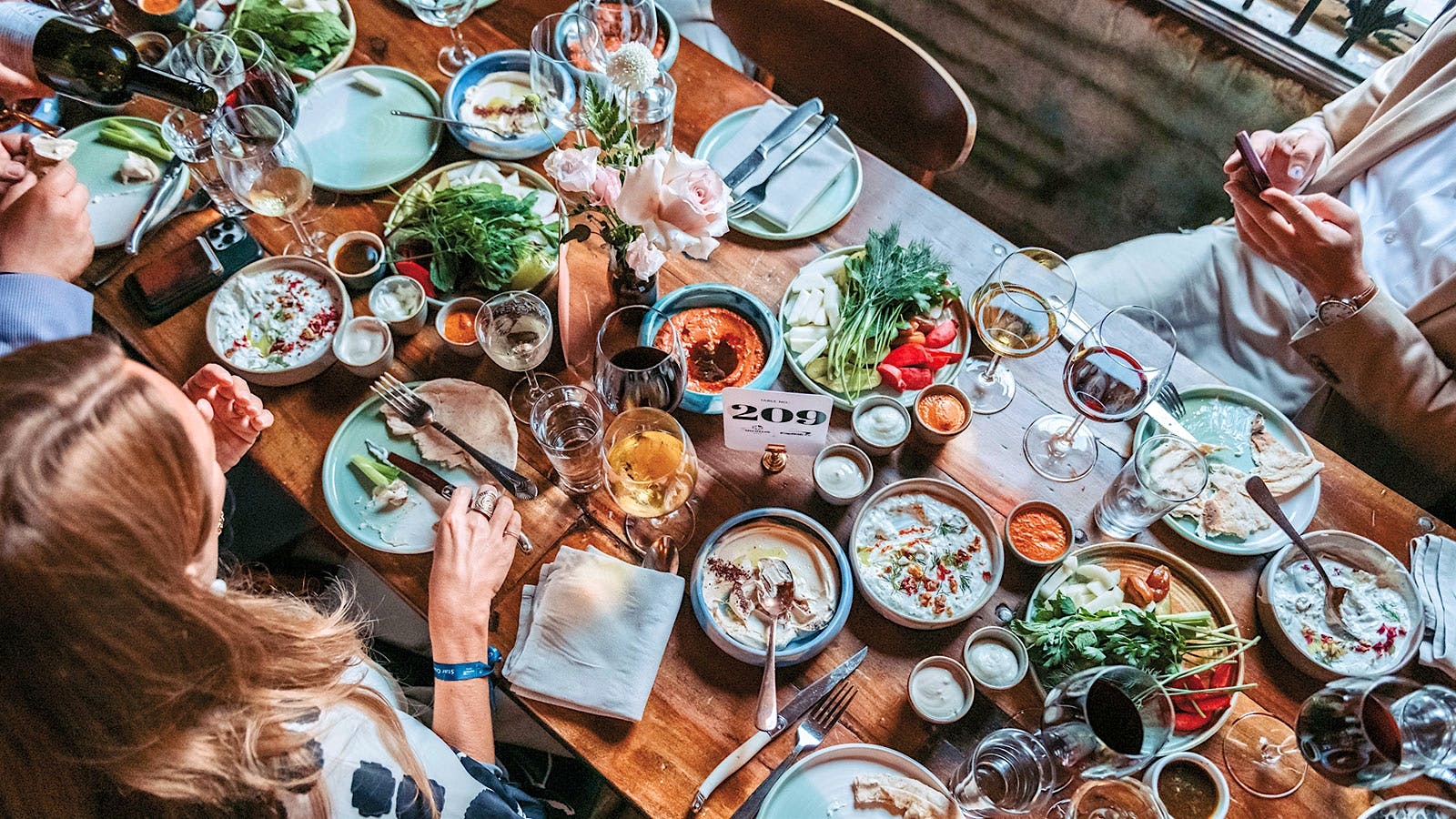
I created and shared a free communications playbook for wineries offering a simple, doable plan for doing just that. 

The wine media was next. 

Susan, who is also a previous Editor in Chief of Wine Enthusiast, offered tactics for wine media to take in responsibly covering beverage alcohol.

Her tips were also easy to execute and straightforward:

  • Put wine into real-life context.
  • Empower rather than demean your audience.
  • Be intrepid in finding new, varied personalities to highlight.
  • Understand the new, diversified consumption lifestyle of the younger generations.
  • Be where the consumers are.
  • Be realistic about what the consumer knows or wants to know.
  • Look to other media outside of wine for good practices.

The enjoyment of wine, beer and spirits is most definitely under attack. It is time to shift our methods, join forces and fight back as the thriving, responsible global wine community that we are. Remaining silent could very easily lead to a loss in the liberty to enjoy alcoholic beverages responsibly, as well as the loss of a livelihood that has sustained generations of families and communities.

Interested in the full presentation with more of the facts? Click over to the VineSleuth site to see the full slide deck from Vinitaly and also download the free communications playbook.

Share:
blog-wine-spirit-social

Elevate Your Knowledge: Advertising Wine & Spirits on Social Media

Blog

Elevate Your Knowledge: Advertising Wine & Spirits on Social Media

By Olivia Melcher, Paid Media Strategist, Digital

Social Media advertising, specifically on Meta is part of an ever-changing landscape. With the additions of the policies around wine and spirits, finding ways to advertise, let alone optimize, this may seem like a challenge.

However, with the right tools and tips, running social media ads on Meta can increase brand awareness, market share, and sales. It all starts with deciding on which campaign is right for the brand.

Meta Advertising: Campaigns

There are six main campaign objectives available in Meta: Awareness, Engagement, Leads, Traffic, App Promotion, and Sales. In the United States all campaigns promoting alcohol the age must be set to 21+.

Awareness: Increase brand recognition by reaching the maximum number of people in the selected target audience.

Engagement: The goal is to get users to interact with the brand through interacting with posts, page likes, video views, ect.

Leads: Gather information on users, such as phone numbers, names, and emails, to create a customer list.

Traffic: Drive users to the website through a targeted audience to learn more, visit, or purchase.

App Promotion: Advertise your app with the goal of user downloads.

Sales: This campaign is used for direct transactions; users are most likely to purchase on the website through a catalog of items.

Sales and Traffic Campaigns: What is the Difference?

Although Sales Campaigns have been around for a while, earlier this year Meta changed their policy to allow alcohol to be advertised through Shopping Campaigns. (This differs from an Instagram Shop, which is not allowed).

Since users can transparently see products as listed on the website including, pricing and descriptions before taking an action (visiting the website) people who interact with the ad already have a higher intent to purchase or add to cart. This results in a lower number of link clicks, but an overall increase in intent and purchases, when set up correctly.

It is important to connect the Meta Pixel to the e-commerce site. The e-commerce either needs to be a partner of Meta, or the website will need to be hard coded to transfer the sales data back to Meta for the ads to run with their full optimization potential. See the list of Meta partner platforms here.

With a traditional ‘Shop Now’ Traffic Campaign the intent to purchase is lower, but the number of link clicks will be higher than with a Shop Campaign. This type of campaign is great for getting users to visit and interact with the website, but it can also be used for a total of twenty different campaign goals such as learn more, book now, ect. While Traffic Campaigns are extremely effective, it is important to look at the brand’s overall goal when deciding between the two. 

Best Practices: Awareness, Sales and Traffic

Start by determining the budget and budget breakdown per campaign. Look at the goals of the brand and the phases these should be executed. Once this is decided, create or choose creative depending on the goal, time of year, and any sales.

Campaigns are most successful when they are broken into different ad sets based on creativity and audience. The majority of these creatives, especially low-performing creatives should be changed monthly to avoid fatigue within the targeted audience. Also, each ad set should have a minimum of three ads and a maximum of ten.

Best Practices & Set Up: Awareness, Sales and Traffic

Awareness Campaigns bring attention to the brand and increase brand recognition. This will help users identify the brand and increase the intent to interact either virtually or in person when the user sees the brand again. This campaign is important to funnel users into the Sales or Traffic Campaign by creating a retargeting campaign.
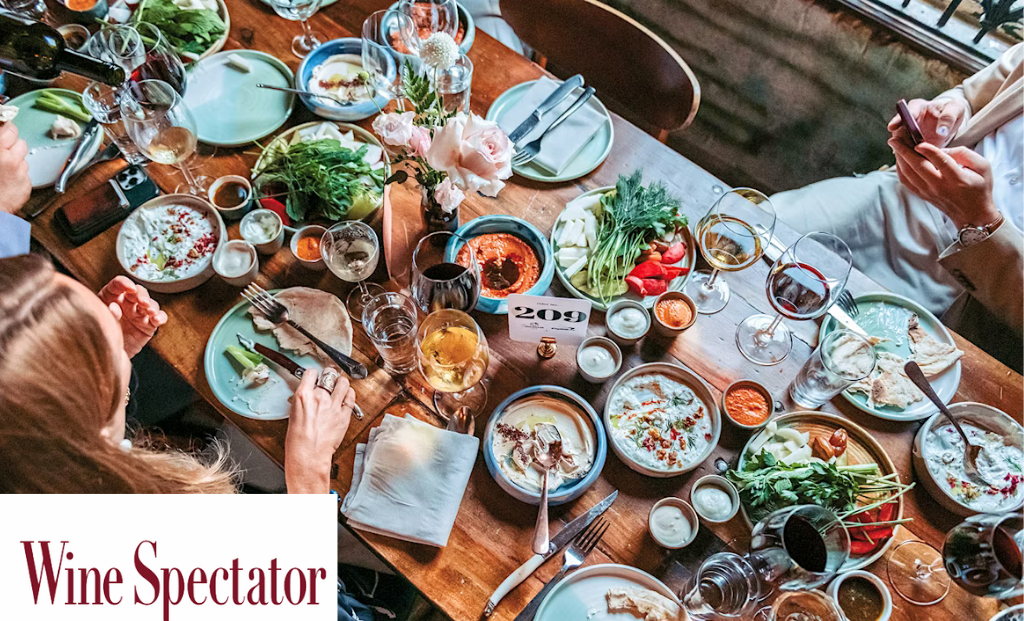
Awareness will be the top of the funnel for your campaigns and this content should be interesting, relevant and intriguing. Choose creative that is captivating and informative. It is also recommended to add a ‘learn more’ link to these ads directing the user to the website, although it should be expected that the click-through rate (CTR) will range between 0.01% and 0.25% on industry average since this is not the goal of the campaign.

The indicator for success when looking at Awareness Campaigns will be the reach and cost per thousand impressions (CPM). If the CPM is running high, resulting in the number of accounts reached lowering, check the suggested optimizations as well as the targeting, budget, and ad assets. It is expected to have a high CPM during the first one to two weeks the campaign is running while the ads are still in the ‘learning phase.

Before any ads start running make sure that the Meta Pixel and Conversions API (CAPI) are installed correctly on the website. Once installed, start to create custom events and conversions to track specific actions that users take on the website. For example, creating an ‘add to cart’ event on the website and a custom conversion within Meta, can then be used to target users who visited the add to cart page.

This data can be used for retargeting campaigns, especially for traffic and sales campaigns. If you are running a traffic or sale campaign be sure to double check the targeting. Many alcohol brands do not ship to every state and the campaign should only target states or zipcodes where shipping is available.

If there are certain groups of users on Facebook or Instagram that you would like to include or exclude, creating custom audiences is crucial. For example, when running an Engagement Campaign for Page Likes, users following the page should be excluded from the audience. This can also be replicated when running a Boosting Campaign where a custom audience can be created to exclude users who are following Instagram or Facebook.

When running a Page Likes Campaign, the ad sets can be separated into multiple ad sets, but it is not necessary, as these ad assets should remain general to the brand and the content that is being shared throughout the month. It is recommended to create and publish multiple ads within this ad set to increase optimization and decrease the learning phase time.

Boosting Campaigns are adding spend to an existing in-feed post to increase the post engagements or video views. These campaigns generally have one ad per ad set so the audience can be changed and tailored to the post that is being boosted. When creating this ad set using manual placements and selecting only the platform the post is living on will help overall page growth.

The Meta interface, best practices, and policies on alcohol are always changing and updating within Meta. If you are interested in learning about more Social Media Advertising for your brand or are interested in becoming a client of Colangelo & Partners please contact us here.

Share:
DSC00318-2-1536x610

The Spotlight is on Sicily: A Look into the Island’s Past, Present, and Bright Future

Blog

The Spotlight is on Sicily: A Look into the Island’s Past, Present, and Bright Future

By Madeleine Hayes, Assistant Account Executive at Colangelo & Partners

In recent years, Sicilian wines have captured the world’s attention due to their finesse, playfulness, and versatility. Each bottle of wine is its very own tile in the mosaic that is Sicily: diverse in terrain, altitude, climate and beauty. In an area as dynamic and diverse as Sicily, we look to wines to tell a story, and the wines of Sicilia DOC do just that. Uniquely representing a sense of place, Sicilia DOC wines feature native varieties that speak to their specific areas of origin. As the overall infatuation with Sicily grows, so does the demand for its wines and interest in learning more about this magnificent island. 

A Brief Look at Sicilian Agricultural Exceptionalism

Sicily has long been recognized for its agricultural wealth. The island’s fertile soils, cooling breezes, mild climate, and central location made it a strategic military and agricultural possession (Nesto and Di Savino 6) and thus, Sicily has played host to a succession of foreign rulers throughout its history. The ancient Greeks shared vine-training techniques that allowed the island to produce wines prized by high-ranking officials in the Roman Empire (4, 7). The Ottomans’ skilled irrigation technology was employed during the prosperous period of Norman rule in the Middle Ages (9-11). Yet the promise of a notable future in modern Sicilian winemaking came in the nineteenth century with the English landing on the shores of Marsala and the early awakenings of Sicilian wine entrepreneurialism (26-31). Today, through the modernization efforts of leading local winemaking families, Sicilia DOC wines are impressing a more exacting modern audience as Sicilians once again let their land speak for itself (59-64).

The Rise of Sicilia DOC Today

Sicily has naturally found itself ahead of today’s wine trends by embracing non-interventionist, organic winemaking and focusing on limited plantings to ensure high grape quality (57). This approach has come easily to Sicilian winemakers and allows drinkers to sip Sicilia DOC’s most authentic, genuine expressions. Sicilia DOC is also cultivating its indigenous varieties, working to save and popularize grapes such as Grillo, Nero d’Avola, and Catarratto under the guidance of Wines of Sicilia DOC, the Consorzio dedicated to protecting the interests of wineries. The DOC’s focus on its land and native grapes cater well to the modern wine consumer looking to drink wines that tell a story, are environmentally friendly, and offer quality at affordable pricing.

Also, it should not be forgotten that the sheer beauty of Sicily has lent a great hand to it’s current popularity. HBO’s 2022 release of The White Lotus season set in Sicily unleashed a wave of tourism and has inspired many island – and winery – visits. In addition, a healthy interest in the island from Italian-Americans looking to learn more about their roots, tapping into on-trend interests in genealogy and travel, are also among the island’s visitors. All who visit the island are met with fruit-forward, food-friendly wines that transport drinkers back to Sicily’s lapping coastlines and rolling hills.

The Future of Sicilia DOC

Sicilia DOC’s future looks bright as indigenous grapes and sustainable practices are impressing consumers and wine experts worldwide. Travel and tourism allow Sicily’s beauty and charm to draw an audience well-primed to fall in love with the island’s wines. And as since ancient times, through all this, Sicily will share its agricultural wealth and grow stronger as diverse interests and cultures discover all that the island has to offer.

Sources

“2023 Summer Travel to Europe.” Hopper, media.hopper.com/research/2023-summer-travel-to-europe

Hengel, Livia. “Sicily Is Italy’s Leading Wine Region – Here’s Why.” Forbes, Forbes Magazine, 19 Jan. 2022, www.forbes.com/sites/liviahengel/2022/01/18/sicily-is-emerging-to-be-italys-leading-wine-regionheres-why/ 

Mowery, Lauren. “A Beginner’s Guide to the Wines of Sicily.” Wine Enthusiast, 5 May 2023, www.wineenthusiast.com/basics/beginners-guide-to-the-wines-of-sicily/

Nesto, Bill, and Frances Di Savino. The World of Sicilian Wine. University of California Press, 2013 “Wines of Sicily.” Wines of Sicily, 10 Feb. 2024, winesofsicily.com/

Share:
Woman pouring drink from tin can into glass at table, top view

Exploring the Latest Trends in the U.S. RTD Cocktails Market

Blog

Exploring the Latest Trends in the U.S. RTD Cocktails Market

By Clara Frezza, Senior Account Executive at Colangelo & Partners

Ready-to-drink (RTD) cocktails are shaking up the beverage scene in the U.S., capturing taste buds with their evolution to keep up with the ever-changing spirits market. This growth is driven by a combination of factors, including convenience, the increasing demand for premium and diverse flavor options, and a shift toward conscious consumption of low-calorie beverages. 

The RTD market is striving with innovation, as brands experiment with new ingredients, eye-catching packaging, and eco-friendly initiatives to win over the green-minded drinker. The pandemic has only accelerated the adoption of RTD cocktails as more consumers seek the bar experience at home. As we dive into the latest trends shaking the RTD market in 2024, discover the freshest product innovations, shifting consumer tastes, and the dynamic forces moving this exciting sector forward.

Premiumization and Flavor Innovation

One of the top trends in the RTD market is the premiumization of products (The IWSR). Consumers are increasingly looking for high-quality, spirit-based RTDs over malt-based beverages . This shift is driven by a desire for more complex flavors and higher alcohol content (Beverage Dynamics)

Flavor innovation remains crucial, with consumers gravitating towards unique and seasonal flavors. Autumnal and orchard fruits like apricots, peaches, and apples are being rediscovered, often paired with brown spirits to create sophisticated RTD options. Additionally, the market is seeing a rise in the popularity of savory and herb-infused cocktails, offering complex and balanced flavor profiles (Simpson Beverages). As consumers strive to meet their personal goals, beverage brands have significant opportunities to delve into adaptogens. Traditionally used in tea, these ingredients are now being added to a variety of products, including sparkling waters, ready-to-drink teas, and most recently, cocktails (Beverage Industry). 

Packaging and On-Premise Consumption

Innovative packaging formats are also making waves in the RTD market. Single-serve cans remain popular, but there’s a growing trend towards larger formats like bag-in-box and resealable cans, which cater to gatherings and ease of use. Glass packaging is preferred by nearly half of the consumers, especially for premium products (The IWSR). Now, brands are also experimenting with larger-size glass packaging to pour over ice, rather than the traditional single-serve cans & bottles.

RTDs are breaking out of the mold and making a splash in bars and on-premise venues. These are being ordered at trendy experiential bars and airport lounges, with some bars even crafting their own signature ready-to-drink cocktails, some for sale exclusively on-premise, and others making it available for purchase off-premise as well.. This trend highlights the versatility and convenience of RTDs, securing their status as must-haves both at home and in the hottest social scenes. Whether you’re lounging at home or sipping at a stylish bar, RTDs are the go-to choice for a fuss-free drink (MarketWatch and Beverage Dynamics)

The Current Market  and a Look Into the Future

The U.S. RTD market continues to grow, with significant year-on-year increases in value. In 2022, RTDs experienced the largest price increase per serving compared to other alcoholic beverages, reflecting their premiumization. Despite a slowdown in the hard seltzer segment, spirit RTDs are thriving, with a forecasted value of $21.1 billion by 2027 (The Spirits Business).
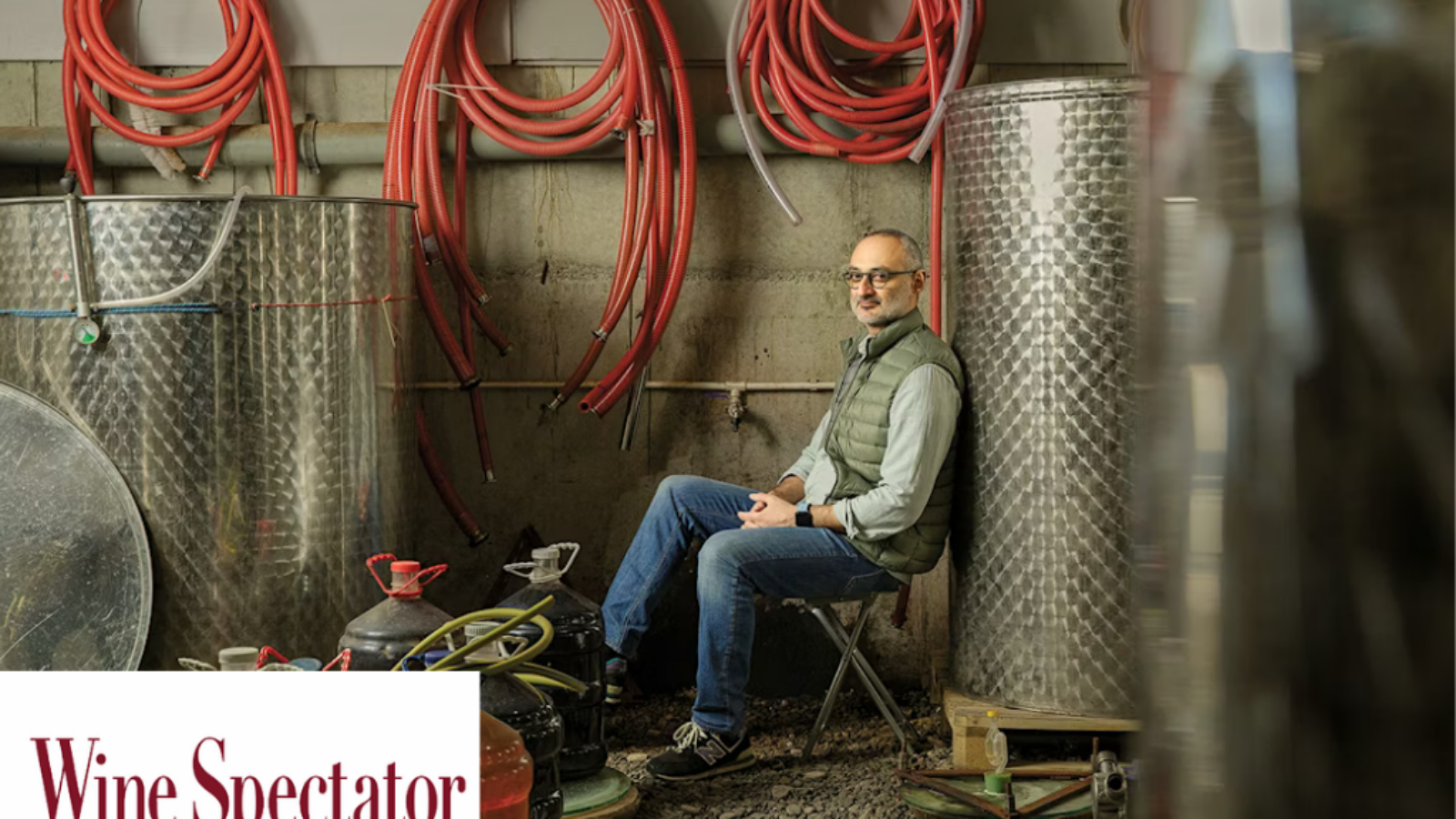
Cross-brand partnerships are becoming more common, as seen with collaborations between alcohol and non-alcoholic beverage companies. These partnerships leverage existing brand recognition and distribution networks, reducing entry barriers and expanding the market reach (The IWSR)

In summary, the U.S. RTD cocktail market is shifting towards premium, high-ABV, and flavor-packed creations. This trend mirrors consumers’ growing appetite for quality and unique taste adventures. Brands are stepping up their game with dynamic packaging that’s not only convenient but also a treat for the eyes and kind to the planet. The resurgence of on-premise consumption—thanks to the reopening of bars, restaurants, and social hotspots—has played a role in the market’s growth. All these factors point to a resilient market that’s only gaining popularity. This exciting landscape promises innovations for both drinkers and producers, as creativity continues to fuel growth and new opportunities in the RTD cocktail category. 

Share: